
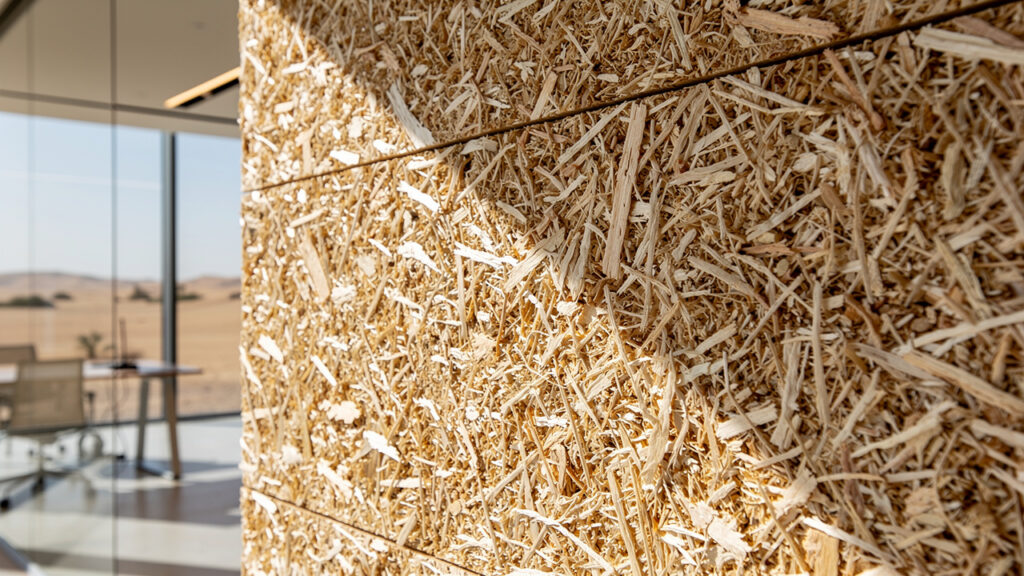
Across the GCC, projects must hit tough green targets while still taming noisy interiors. Traditional acoustic boards often rely on petrochemicals and heavy finishes that sit badly with these goals. Wood wool acoustic panels promise a cleaner path, yet many project teams still see them as niche or unfamiliar.
Wood wool acoustic panels are rigid boards made from mineral-bound wood fibers that absorb sound, cope with Gulf humidity, and meet strict fire codes. They help fit-out, hospitality, and education projects meet both performance briefs and sustainability frameworks across the UAE, Saudi Arabia, and the wider Gulf. This article explains how the material works, how it links to LEED, Estidama, and GSAS, where it fits real GCC projects, and how DE Sound supplies it at wholesale scale.
Keep reading to connect acoustic comfort, green ratings, and GCC-ready procurement choices.
Key Takeaways
Before moving through the detail, these quick points frame the rest of the guide.
You understand what wood wool acoustic panels are and how their mineral-bound fibers absorb sound and resist Gulf humidity. Examples from offices, schools, and studios show why the material fits GCC construction.
You grasp how the panels support LEED, Estidama, and GSAS targets. Renewable wood fiber, low VOC content, and long service life sit well with regional green mandates. Fire and acoustic certificates link cleanly to rating checklists.
You see why DE Sound is a practical wholesale partner. Factory-linked pricing, Gulf-based stock, and free technical advice make specification easier for design and procurement teams. That mix turns sustainable acoustics into a straightforward purchasing decision.
What Are Wood Wool Acoustic Panels And Why Are They Built For The GCC?

Wood wool acoustic panels are rigid boards made from long, thin wood fibers that are mineralized, then bound with cement or magnesite. The open, tangled core pulls in sound energy and turns it into tiny amounts of heat instead of throwing noise back into the room. This structure gives the GCC market a product that reduces reverberation, handles temperature swings, and keeps its shape over time.
Put simply, each panel combines:
Acoustic absorption – the fibrous, open structure takes in sound across speech and music frequencies.
Dimensional stability – the mineral binder keeps panels flat even with strong air conditioning cycles.
Mechanical strength – the rigid core resists knocks better than many soft tiles.
Basic thermal benefit – added mass gives a small insulation boost.
Because air can move through the fibers, wood wool boards reach Noise Reduction Coefficient (NRC) values around 0.60 to 0.95 when thickness and mounting are chosen correctly. That level of absorption suits:
Open-plan offices
Classrooms and lecture halls
Hotel lobbies and conference spaces
Content studios and podcasts rooms
across Dubai, Abu Dhabi, Riyadh, and Doha. The dense mineral binder also adds thermal mass, so each panel offers a modest insulation benefit along with acoustic control.
Humidity and temperature changes across coastal Gulf cities punish many soft acoustic tiles. Mineral-bound wood fibers barely absorb moisture, so panels stay flat without sagging or mildew spots, even in places such as Dubai Marina or Doha Corniche. Fire tests under EN 13501-1 often reach Class A or Class B, which fits UAE Civil Defence expectations for commercial interiors, schools, and public venues.
Because manufacturers use simple mineral binders and avoid heavy surface films, serious wood wool products come with very low VOC emissions. That supports indoor air quality goals for offices, clinics, and education spaces. According to the World Green Building Council, buildings create almost 40 percent of global energy-related carbon emissions — a figure consistent with Global daily CO2 emissions data — so every low-impact interior product choice plays a part in GCC climate strategies.
“Good acoustics and healthy air often come from the same kind of materials: low-emission, long-lasting, and easy to live with.” — DE Sound technical team
How Do Wood Wool Panels Support Green Building Standards In The Gulf Region?
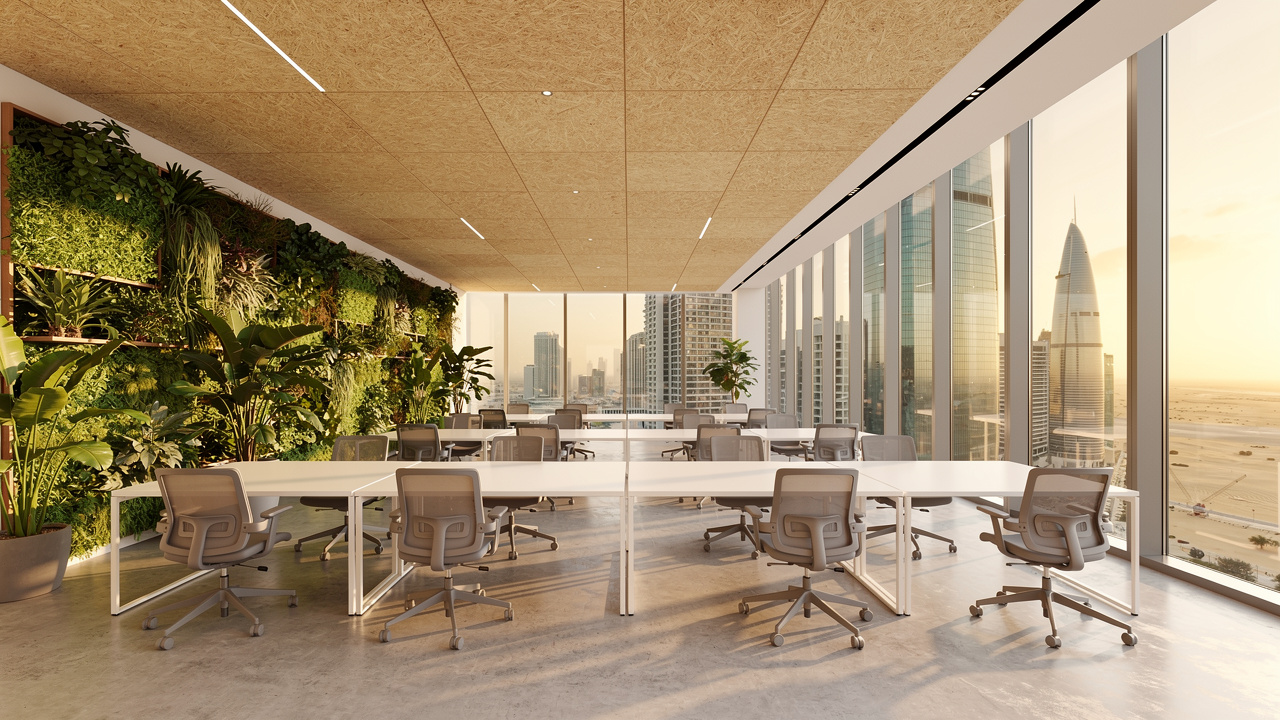
Wood wool panels line up neatly with the main rating systems used in GCC projects, including LEED, Estidama Pearl Rating System, and Qatar’s GSAS. They rely on renewable wood fiber, mineral binders, and low VOC finishes, so they fit many materials and indoor air credits without major design changes.
Key material aspects include:
Renewable content – the wood content can come from forests that carry FSC or PEFC certification, which supports responsible sourcing rules in Saudi Vision 2030 and Qatar National Vision 2030 projects.
Long service life – the cement or magnesite binder creates a long-life board that can stay on the wall for decades instead of needing frequent replacement.
End-of-life options – at the end of service life, the panel is inert and recyclable as aggregate, a clear plus for circular goals across the UAE and Oman.
Indoor air quality – very low VOC emissions support clean indoor air credits and healthier interiors.
The US Green Building Council reports that efficient buildings can cut energy use by around 25 percent compared with common practice — progress that aligns with targets outlined in the Global Carbon Budget 2024 — so products that add even modest thermal resistance help teams move toward those savings.
Within LEED, wood wool supports:
Materials and Resources – renewable content and potential certified sourcing
Indoor Environmental Quality – low emissions and better room acoustics
Energy and Atmosphere – when panels form part of a high-performance envelope or ceiling system
Estidama Pearl and GSAS place similar weight on low VOC content, recycled or rapidly renewable input, and life cycle durability. Because one product can address several of these items at the same time, it often simplifies the materials schedule for consultants and quantity surveyors.
A simple way to view the link is shown below.
| Rating System | Key Credit Focus | Wood Wool Contribution |
|---|---|---|
| LEED | Materials, indoor air, energy performance | Renewable fiber, low VOC, extra thermal resistance |
| Estidama | Resource stewardship, indoor comfort | FSC options, acoustic comfort, durable interior finish |
| GSAS | Life cycle impact, emissions, occupant health | Long service life, recyclable core, clean indoor air |
For architects and QS teams, theory only helps once it ties to paperwork. DE Sound supplies wood wool acoustic panels with full acoustic, fire, and environmental documentation ready for consultant review across Dubai, Abu Dhabi, Doha, and Riyadh. That support gives project teams confidence that the material they show on drawings will pass green audits without late design changes.
“If it is not backed by third-party lab data, assume it will be challenged at submittal stage.” — DE Sound documentation specialist
A Note On Certified Documentation For Green Projects
Green building assessors across the GCC rely on third-party test data, not marketing claims. Acoustic performance needs ISO 354 or EN ISO 11654 laboratory reports that show NRC values across key frequency bands. Fire performance must link to formal EN 13501-1 test certificates from accredited laboratories, not internal statements.
To keep projects moving, smart teams usually:
Request acoustic and fire reports at concept or schematic design stage.
Check that test setups match how panels will be installed on site.
File VOC declarations early to avoid late health and safety queries.
DE Sound treats this paperwork as part of the product, not an optional extra. Every wood wool shipment connects to clear data sheets, test reports, and declarations, so consultants and authorities can sign off specifications without delay or repeated resubmittals. That reduces risk for teams chasing LEED, Estidama, or GSAS awards.
Where Are Wood Wool Acoustic Panels Used Across GCC Projects?
Across the Gulf, wood wool acoustic panels serve projects from Grade A offices in Dubai International Financial Centre to prayer halls in Sharjah. The material pairs real noise control with a textured finish, so both acoustic consultants and interior designers can work with it. The examples below mirror common applications that DE Sound supports around the region.
Corporate offices in Dubai International Financial Centre, Business Bay, and Riyadh business districts use wood wool ceilings and wall panels to soften open-plan chatter. Treated spaces show shorter reverberation, which lifts speech privacy and focus during calls and hybrid meetings. That improvement supports productivity goals for employers competing for talent.
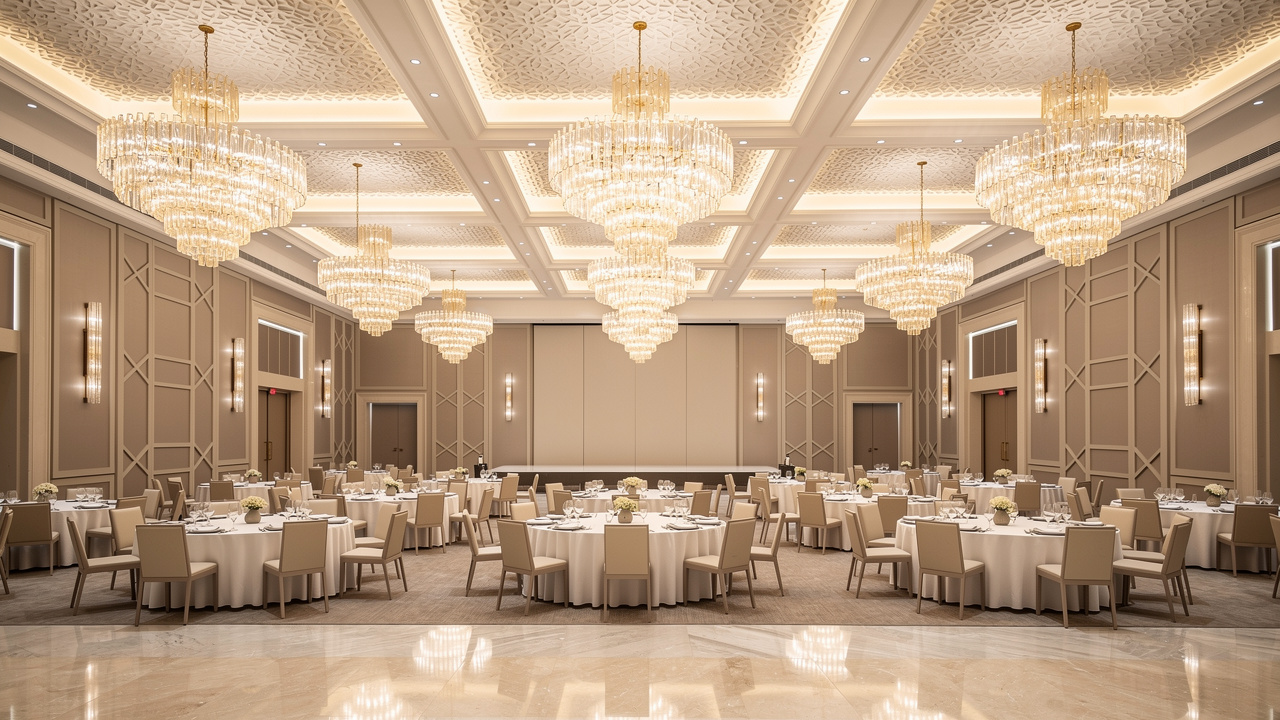
Hospitality venues across Dubai Marina, Jumeirah Beach, Abu Dhabi Corniche, and Doha’s waterfront also benefit. Wood wool ceilings in ballrooms, restaurants, and lift lobbies calm clatter without looking like technical equipment. Designers pick from RAL or NCS color palettes so Hilton, Marriott, or boutique brand identities stay intact while guests experience calmer spaces.
Schools and universities from Abu Dhabi to Sharjah must protect speech clarity in hard-surfaced rooms. Guidelines based on ANSI ASA S12.60, shared by the Acoustical Society of America, call for NRC values of at least 0.70 in many teaching spaces, and Determination of the sound insulation performance studies confirm that wood-based panels can reliably meet such targets in interior applications. Wood wool panels on walls and ceilings reach those figures while surviving the daily knocks of student traffic.
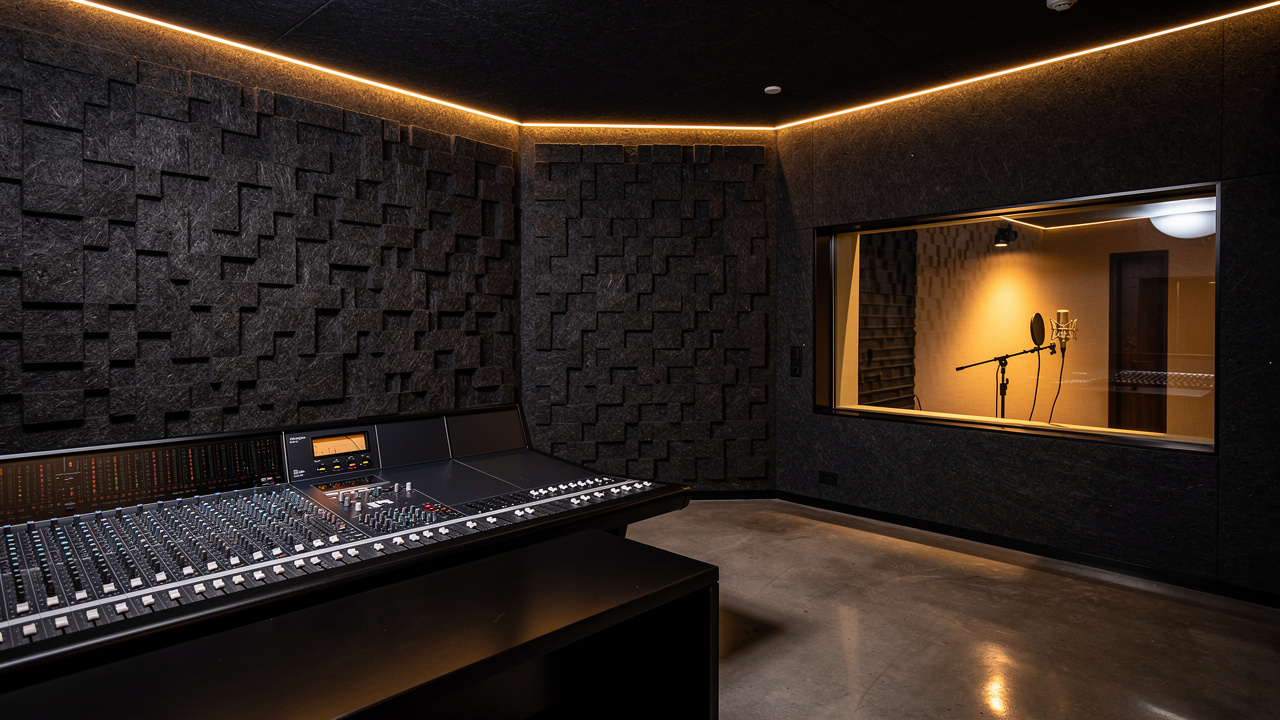
Recording studios, radio booths, and podcast rooms across Dubai Media City and Riyadh’s growing media hubs use wood wool as part of layered acoustic schemes. The panels smooth mid and high frequencies while thicker boards with backing mineral wool help manage bass, consistent with findings in the Development of a Mineral binder study that demonstrates how binder composition shapes broadband acoustic behavior. On camera, the textured surface also looks more refined than low-cost egg crate foam.
Mosques, churches, and multi-faith prayer rooms often struggle with long reverberation because of large volumes and stone finishes. Carefully placed wood wool on side walls or ceiling rafts trims echo while respecting the visual dignity of the space. Project teams can color match panels to stone, plaster, or timber so the treatment stays visually quiet.
For specifiers, this range of uses means wood wool can move from “special item” to standard interior finish across portfolios in the UAE, Saudi Arabia, Qatar, Kuwait, Bahrain, and Oman.
Why GCC Contractors And Designers Choose DE Sound For Bulk Wood Wool Supply

For GCC project teams, picking wood wool acoustic panels is only half the story. The other half is finding a supplier who understands Gulf conditions, documentation demands, and tight programs. DE Sound fills that role for interior designers, contractors, and facility managers across the UAE and wider GCC.
As a wholesale specialist, DE Sound sources wood wool acoustic panels directly from audited manufacturers and supplies them across the UAE, Saudi Arabia, Qatar, Kuwait, Bahrain, and Oman. Factory-level pricing with clear quotations helps quantity surveyors protect budgets without defaulting to lower-grade acoustic products. Regional stock and reliable freight partners keep delivery times short, so fit-out schedules stay on track.
Project teams typically value three things:
Practical technical support – Free consultation helps teams select panel thickness, layout, and mounting for each space. DE Sound technical staff speak daily with consultants and contractors in Dubai, Abu Dhabi, Doha, and Riyadh. That experience supports choices that hit acoustic targets without wasting material or labor.
Complete technical submittals – Acoustic test reports, EN 13501-1 fire certificates, and VOC declarations arrive ready for review by consultants and authorities. This package often shortens approval cycles and cuts the chance of last-minute substitutions on site.
Wide acoustic product range – A broad range that also covers PET panels, stretch fabric systems, and foam absorbers lets buyers source most acoustic items from one supplier. That approach simplifies procurement for hotel groups, school operators, and corporate portfolios spread across several GCC countries. It also keeps visual language and performance standards aligned from one property to the next.
Analysis by McKinsey & Company notes that large construction projects on average take about 20 percent longer to finish than planned. Reliable acoustic material supply will not solve every delay, yet it removes one frequent weak point. With DE Sound, project teams gain a partner that stays involved from first inquiry to final snagging.
“Treat acoustic panels like any other finish: test samples on site, check colors in real light, and plan joints carefully.” — DE Sound project support team
Putting It All Together
This section brings the main ideas together so decision makers can move with confidence. It links material benefits, green ratings, and DE Sound support in one picture.
Across GCC construction, wood wool acoustic panels bring acoustic control, fire performance, and sustainability into a single material choice. They fit the hot, humid climate, satisfy Civil Defence expectations, and sit comfortably inside LEED, Estidama, and GSAS strategies.
Designers and contractors can treat them as standard finishes for offices, schools, hotels, and studios instead of niche upgrades. With DE Sound providing wholesale supply, technical support, and fast regional delivery, adopting wood wool becomes a practical step for both new builds and refurbishments.
Conclusion
Wood wool acoustic panels align closely with where GCC building policy and occupant expectations are moving. Low VOC content, renewable fiber, moisture resistance, and strong fire ratings connect directly to UAE Net Zero 2050, Saudi Vision 2030, and Qatar National Vision 2030 goals.
At the same time, high NRC performance and flexible finishes support better daily experiences in offices, classrooms, hotels, and recording spaces from Dubai to Muscat. When specified with honest lab data and installed correctly, the material improves clarity, privacy, and comfort without undermining design intent.
For project teams who want quieter, greener interiors without cost shocks, DE Sound offers a straightforward route. A short call or email can bring acoustic layouts, pricing options, and documentation packages that match a specific job. That preparation makes the next tender, refurbishment, or new build smoother for consultants, contractors, and building owners alike.
Frequently Asked Questions
Question 1: Are wood wool acoustic panels suitable for outdoor or semi-outdoor applications in the Gulf climate?
Wood wool acoustic panels are mainly intended for interior spaces in the Gulf. Covered semi-outdoor areas such as terraces or atriums can work if direct rain and sun are limited. For exposed projects, DE Sound’s technical team should review drawings and climate data before final specification.
Question 2: What thickness of wood wool panel should I specify for a hotel ballroom or conference center?
Hotel ballrooms and conference centers usually benefit from 35 to 50 millimeter thick wood wool panels. Thicker boards, or panels combined with mineral wool backing, absorb more low-frequency energy from music and amplified speech. DE Sound can share third-party lab data across the 125 to 4,000 hertz bands for precise design.
Question 3: Can wood wool panels be painted without losing acoustic performance?
You can paint wood wool panels without losing performance if you use breathable, non film-forming coatings. Mineral or silicate paints keep surface pores open so sound can still enter the fiber matrix. Specification notes and site instructions should warn against thick acrylic or oil-based paints that seal the surface.
Question 4: How do wood wool panels compare to PET acoustic panels for sustainable projects?
Wood wool panels provide higher fire resistance, better impact strength, and stronger humidity tolerance than most PET panels. PET boards, often made from recycled bottles, offer lighter weight and a softer, fabric-like look. DE Sound supplies both types and can suggest mixed schemes where each material plays to its strengths.
Question 5: What is the minimum order quantity for bulk wood wool panel supply through DE Sound?
Minimum order quantities for wood wool acoustic panels depend on thickness, finish, and current regional stock. Large multi-floor or portfolio projects usually access the most attractive factory-linked rates. Contacting DE Sound directly gives up-to-date pricing tiers, realistic lead times, and advice on how many spare panels to include.