
Introduction
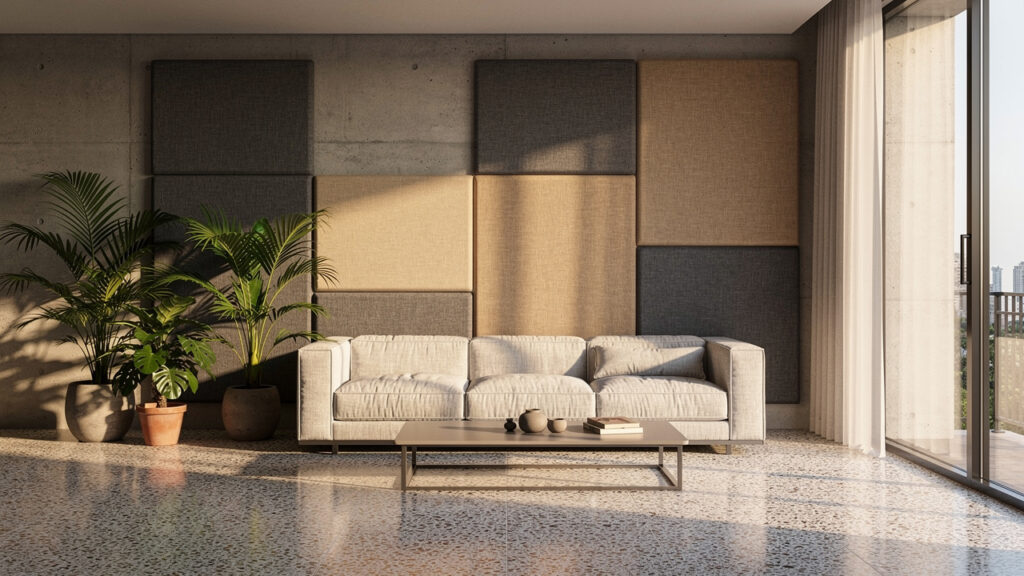
Noise from neighbors, traffic, and shared walls often ruins comfort in new African homes. Hard tiles and concrete surfaces make every sound feel louder. Sound insulation panels give residential projects a practical way to tame this daily noise and make spaces feel calmer.
These acoustic panels are engineered boards that absorb or block sound so apartments, townhouses, and villas feel quieter. In this guide, sound insulation panels for African housing are explained in plain language, from basic definitions to choosing the right type. You will see how they fit into bedrooms, living rooms, and home studios, and how to source them at scale for multi-unit builds.
If quieter homes matter on your next project, this guide walks through the key steps. Keep it close while you plan your next residential specification.
Tip: Before you specify finishes, walk a typical unit on site (or a similar completed building) and listen for noise from traffic, lifts, and neighbors. Use what you hear to prioritise where sound insulation panels will give the biggest benefit.
Key Takeaways
Acoustic comfort now ranks high for buyers and tenants in cities such as Johannesburg, Lagos, Nairobi, and Cape Town. Dense traffic, mixed-use blocks, and compact units mean smart acoustic design protects quality of life and reduces future complaints.
Sound insulation panels serve two jobs in a home. Some absorb echo and flutter inside a room, measured with the Noise Reduction Coefficient scale. Others block sound between rooms, linked to Sound Transmission Class ratings across full wall or ceiling systems.
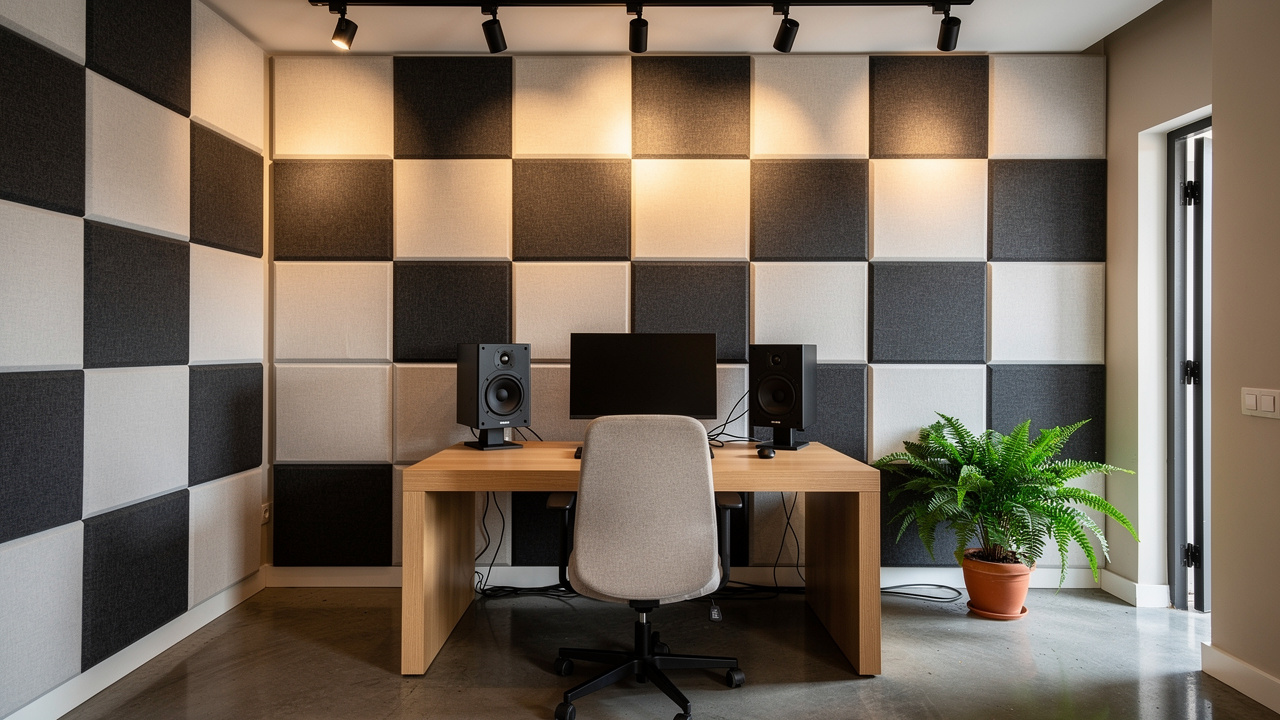
No single acoustic panel suits every space. Bedrooms need calm and privacy, living areas need gentle control of echo, while home studios and gaming rooms need stronger low-frequency control. Matching panel type to room use avoids wasted budget and disappointed residents.
Wholesale, certified panel supply gives large African projects a strong advantage over ad-hoc retail orders. A Gulf-based partner such as DE Sound supplies tested PET, wood, and stretch panels with factory-direct pricing, steady bulk stock, and free technical guidance for design teams.
What Are Sound Insulation Panels and Why Do Residential Projects in Africa Need Them?
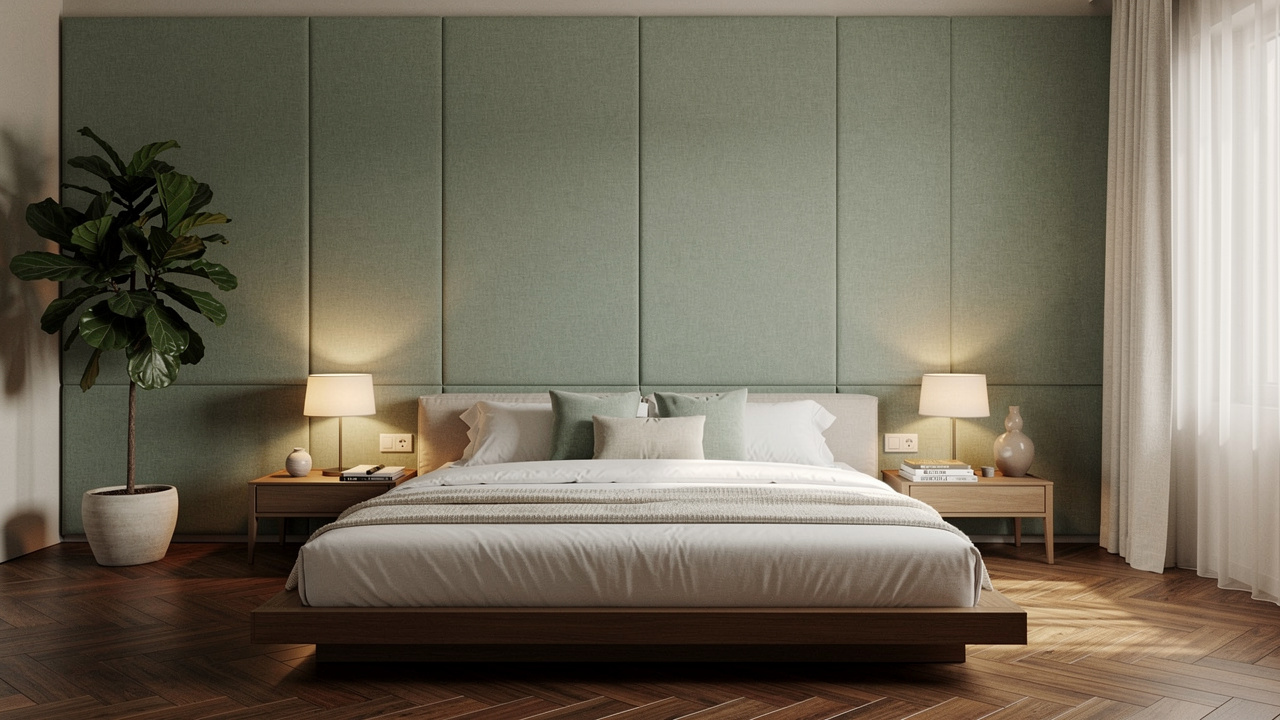
Sound insulation panels for residential projects in Africa are purpose-made boards that improve how homes sound inside and between rooms. These panels sit on walls or ceilings and manage noise far more effectively than soft furnishings alone. In growing African cities, they now form part of basic comfort, not a luxury add-on.
For most homes, two main functions matter:
Absorption inside rooms – Panels reduce echo and harsh reflections so voices sound clear and TV audio feels controlled.
Blocking between rooms – Systems limit how much sound passes through partitions, floors, and ceilings so neighbors do not hear each other as easily.
According to ASTM International, absorption ratings use the Noise Reduction Coefficient (NRC) scale from 0 to 1, while many lab tests follow ASTM C423 methods. Higher NRC values mean more sound is absorbed rather than bounced back into the room.
Absorptive sound insulation panels usually use porous cores such as mineral wool, fiberglass, or polyester fiber. Sound enters the panel, loses energy inside the fibers, and returns to the room much weaker. A good residential wall or ceiling panel often reaches an NRC of 0.8 or higher, which already makes conversation easier to follow in a tiled living room or compact bedroom.
Blocking performance relates more to the full wall build-up than to a single thin panel. Systems that aim for good privacy between apartments often target Sound Transmission Class (STC) values around 50, where normal speech behind the wall becomes hard to understand. Guidance from the Acoustical Society of America explains that higher STC values give better privacy, especially in bedrooms and studies.
Urban growth across Africa places more people closer together in towers and mixed-use blocks. Reports from UN-Habitat show African cities among the fastest growing worldwide, which amplifies noise from traffic, nightlife, and shared services. In that context, tested sound insulation panels help developers:
Limit resident complaints about noise
Protect brand reputation and rental values
Support health, rest, and productivity at home
Reminder: Noise control is not just about comfort. Chronic exposure to night-time noise has been linked in public health research to sleep disturbance and stress, and a A case study of the effect of living walls on the indoor acoustic environment illustrates how integrated surface treatments can meaningfully improve residential sound quality.
Which Types of Sound Insulation Panels Work Best for Residential Applications?
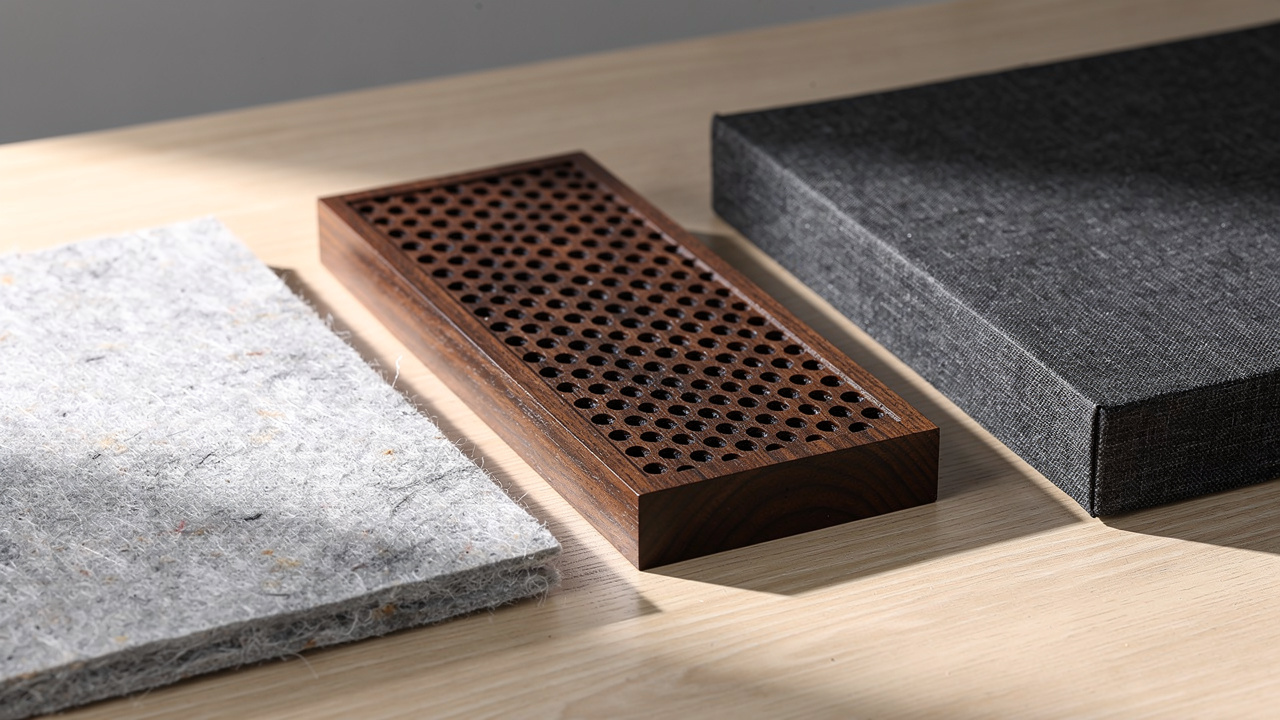
Sound insulation panels for African homes work best when the type matches both the room and the client brief. For residential use, three categories stand out for walls and ceilings in apartments and villas across South Africa and the wider continent. Each offers a different balance of performance, look, and sustainability.
PET polyester fiber panels suit many modern residential interiors. They consist of compressed recycled PET fiber boards that absorb mid and high frequencies very well. Independent tests often show NRC values above 0.85 for thicker formats, which makes them ideal for open-plan lounges and kids’ rooms with hard floors. According to the Green Building Council South Africa, recycled PET products also support Green Star style goals around low VOCs and recycled content.
Perforated wood panels give a warmer, more natural finish that works nicely in living rooms, entrance halls, and home offices. A front face of MDF or timber with precise perforations allows sound to pass into an absorbent backing such as mineral wool, and recent research on the Determination of the sound insulation performance of wood-based sandwich panels confirms the acoustic value of these wood composite constructions in interior applications. Designers in cities like Durban and Accra favor this style when they want panels that look like architectural cladding yet still cut reverberation.
Stretch or fabric-wrapped panels use a rigid core with a stretched fabric face that can match almost any color palette. They fit bedrooms, cinema rooms, and study areas where clients want a soft visual feel. With careful placement on key wall and ceiling positions, they can sharply reduce echo without making a space feel visually busy.
Here is a simple comparison that helps residential teams choose between these three families.
| Panel Type | Typical Use In Homes | Main Strengths | Notes For Africa Projects |
|---|---|---|---|
| PET polyester | Living rooms, kids’ rooms, corridors | High absorption, light weight, eco focus | Handles warm, humid climates without absorbing moisture |
| Perforated wood | Feature walls, home offices, dining rooms | Natural look, controlled absorption | Needs correct fire rating and humidity-resistant core |
| Stretch panels | Bedrooms, cinemas, studios, meeting nooks | Broadband control, flexible aesthetics | Needs skilled fitting for a crisp stretched finish |
DE Sound supplies certified PET, wood, and stretch sound insulation panels that fit these residential uses. For example, an apartment block in Johannesburg can use:
PET panels in noisy corridors and kids’ play areas
Perforated wood panels in lobby feature walls and home offices
Stretch panels in premium penthouse bedrooms and cinema rooms
The key idea is to mix panel types across one project so each room receives the level of acoustic control it needs without overspending.
Tip: When you present finishes to clients, group panels by look (timber, fabric, flat color) instead of by technical name. It helps non-technical stakeholders approve acoustic treatments faster.
How to Select and Source Sound Insulation Panels for Large Residential Developments in Africa

Sound insulation panels for large African housing projects must pass both acoustic and practical checks before they appear in specifications. Design teams need a simple framework so every block, stack, and unit level aligns on the same standards. That keeps tenant experience consistent from Cape Town to Nairobi.
A good first step is to define the main noise problem in each zone:
Street-facing bedrooms near busy roads – Often need stronger blocking from the wall system (higher STC) plus some absorption on internal surfaces.
Inner living areas with many hard finishes – Usually need reverberation control so family conversations feel relaxed and TV levels stay moderate.
Vertical noise from floors above – May call for acoustic ceilings or baffles to cut reflected sound and help with impact noise from footsteps.
The checklist below helps procurement officers and contractors compare options.
| Factor | What To Check | Why It Matters For Residences |
|---|---|---|
| Noise type | Traffic, voices, bass from music, building services | Different frequencies need different materials and panel depths |
| Target ratings | NRC for echo, STC for transmission across walls | Gives measurable performance instead of guesswork |
| Fire performance | Match local codes and project fire strategy | Protects residents and supports approvals |
| Moisture and climate | Behavior in humid coastal or hot inland areas | Stops sagging, mold, or loss of performance over time |
| Aesthetic direction | Colors, textures, and panel shapes | Keeps acoustic treatment aligned with interior design intent |
| Supply and budget | Availability, lead time, and wholesale price structure | Avoids delays and supports margin on multi-phase developments |
Guidance from the Acoustical Society of America shows that treating roughly 25–40% of wall area with absorptive panels often cuts reverberation to comfortable levels in standard rooms. Critical spaces such as home studios may need higher coverage, as demonstrated by findings on Investigating the thermal and acoustic performance of modular living wall systems tested in dedicated reverberation chambers. Knowing this early helps teams estimate quantities across full blocks and plan ahead for bulk orders.
Tip: Set target NRC and STC values during schematic design and include them in the employer’s requirements. This makes it harder for late-stage value engineering to remove acoustic quality from the project.
Sourcing presents its own challenge in many African markets, where local stock of certified acoustic materials can be thin. Contractors in cities like Lagos or Kigali may find only small-format retail foam that does not meet fire or durability needs. This is where wholesale, factory-direct supply from a specialist such as DE Sound can help.
DE Sound offers tested PET, wood, and stretch sound insulation panels with clear lab reports and fire data. Factory-direct pricing helps with tight budgets on large schemes while still keeping quality high. The team also offers free expert consultation so architects and engineers can check NRC targets, panel layouts, and mounting details before tender. For cross-border projects, direct contact with DE Sound allows teams to:
Discuss shipping routes from the Gulf region to ports such as Durban or Mombasa
Plan stock for phased handovers
Coordinate documentation for approvals and green building submissions
Common Misconceptions About Sound Insulation Panels in Residential Construction

Sound insulation panels in homes often suffer from myths that lead to poor design choices. Clearing these up early saves money and keeps residents happier. Three beliefs show up again and again on African residential projects.
“Acoustic panels will completely soundproof a room.”
In reality, surface panels mainly control sound inside the room itself. True isolation between apartments needs mass, airtight layers, and careful junction details in the wall and floor system. Panels still help, but they sit on top of a well-designed partition, not in place of it.“Thicker panels are always better.”
Thickness does help with low-frequency sound such as bass from music or traffic rumble. However, material density and mounting also matter a great deal, as demonstrated in research on Evaluating the Acoustic Absorption of modular vegetation systems using impedance measurements in both laboratory and field conditions. A thin, dense mineral wool panel with an air gap can out-perform a very thick yet light foam block, especially in mid-frequency speech ranges.“Sound insulation panels are only for studios or cinemas.”
In practice, apartments, home offices, and bedrooms gain real value from modest acoustic treatment. When teams work with a knowledgeable supplier such as DE Sound, they can place just enough material in the right locations to upgrade comfort without turning homes into obvious studio spaces or heavy-duty theaters.
Tip: Start with the rooms where residents spend quiet time – bedrooms, studies, and nurseries – before adding panels to living or entertainment areas.
Wrapping Up
Sound insulation panels now sit beside lighting, flooring, and cabinetry as part of normal residential specification in many African cities. They calm echo inside rooms and support better privacy between neighbors, which protects long-term asset value for developers and landlords and improves day-to-day comfort for residents.
Conclusion
For African residential projects, the message is straightforward:
Plan acoustic comfort early in the design process
Match panel type and coverage to each room’s use
Insist on tested performance data such as NRC and STC
Secure reliable bulk supply so every unit meets the same standard
By working with wholesale partners such as DE Sound, project teams in South Africa and across the continent can pair thoughtful design with practical acoustic performance, all within realistic budgets.
Frequently Asked Questions
Question 1: What is the difference between soundproofing and acoustic panels in a residential setting?
Soundproofing blocks sound between rooms, mainly through heavy, airtight wall and floor systems. Acoustic panels focus on absorption inside a room so echo and reflections reduce. Many homes need a mix of solid partitions plus panels for the best overall comfort.
Question 2: How many sound insulation panels does a typical residential room require?
Most living rooms and bedrooms work well when roughly 25–40% of the wall area has absorptive panels. Very live spaces or home studios may use closer to half the surface area. Placement on first reflection points (the spots where sound bounces first from speakers or people) usually gives the strongest effect.
Question 3: Are PET acoustic panels suitable for humid or warm African climates?
Yes. PET polyester panels handle warm and humid climates very well because the fibers do not absorb moisture. That makes them suitable for coastal cities such as Durban or Mombasa. Always confirm exact specifications and fire data with the supplying company.
Question 4: Can sound insulation panels be used in residential ceilings as well as walls?
Yes. Ceiling panels and small suspended baffles work very well in open-plan living spaces and compact apartments. The ceiling is often the largest bare surface, so treating it can deliver the biggest drop in reverberation for each square meter installed.
Question 5: How can African residential contractors source certified acoustic panels in bulk?
Contractors can source certified sound insulation panels through wholesale suppliers that focus on acoustic materials. DE Sound offers factory-direct pricing, tested PET, wood, and stretch panels, plus free consultation and bulk supply support. Direct inquiry helps clarify shipping routes, lead times, and documentation for each project.