

Introduction
African cities grow louder each year, while many interiors still leak sound through thin panes. Traffic, bars, generators and near-constant construction send noise straight into homes, schools, hotels and offices. Sleep, focus and privacy all suffer.
Those rising noise levels carry health and economic costs, from stressed office staff to unhappy hotel guests. Busy streets and airports sit close to dense housing. At the same time, glass‑heavy design is spreading, so poorly selected glazing often becomes the weakest part of the acoustic barrier.
Acoustic Laminated Glass offers a practical way to control city noise without losing daylight or views. It uses sound‑damping layers inside the glass to cut transmission, far beyond standard panes or basic double glazing. In this guide, you will see what this glass is, why African cities now need it, which building types gain the most, how to read performance ratings, and how DE Sound supports better acoustic specifications across complex urban projects.
If noise is creeping into your buildings, the next sections show how to turn glass from a problem into part of the answer.
Key Takeaways
This section gives a quick view of the most important ideas in the article. Each point links acoustic glazing benefits directly to real urban conditions in African cities. Use it as a checklist when you speak with clients or suppliers.
African cities face a sharp acoustic challenge. Rapid urban growth sits beside busy roads, industry and airports. That mix produces constant background noise that easily enters through ordinary glass. Without better glazing, even expensive fit‑outs fail to deliver quiet, comfortable rooms.
Acoustic Laminated Glass combines mass and damping. Extra glass thickness adds weight, while a soft interlayer absorbs vibration instead of passing it straight through. Together, they give a clear technical reason for stronger performance than standard panes or basic double glazing.
Certain building types gain the most. Offices, hotels, schools and residential towers near heavy traffic see direct returns from lower noise: better productivity, stronger guest reviews, improved learning and higher property value. Noise control becomes a business decision, not just a comfort upgrade.
Ratings like STC and Rw let you compare options fairly. Once you understand how asymmetric panes and laminated insulating glass units work, it becomes easier to select the right build‑up. You also see why frames, seals and installation matter as much as the glass itself.
DE Sound adds specialist support. The company offers free consultation and wholesale access to tested acoustic products. Experience from noisy Gulf cities guides similar projects in African urban areas, reducing the risk of under‑specified glazing that disappoints once the building opens.
What Is Acoustic Laminated Glass And How Does It Work?
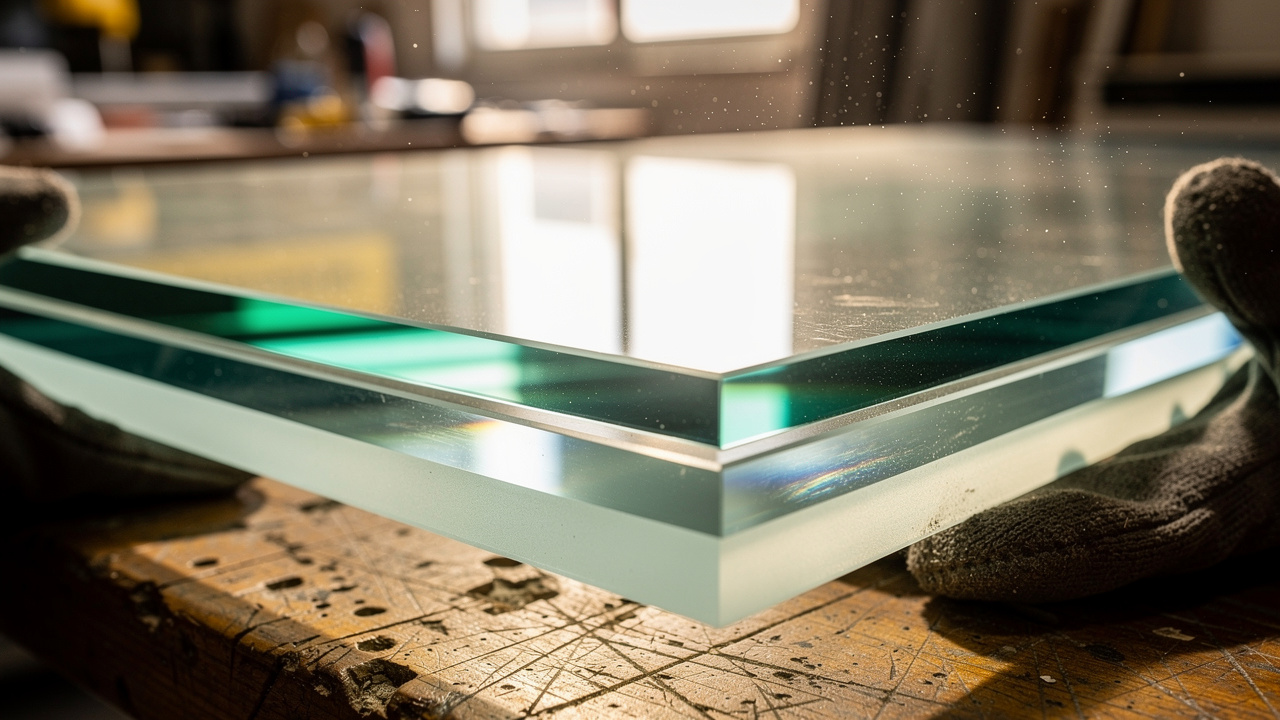
Acoustic Laminated Glass is a type of glazing that uses a soft interlayer between two or more glass sheets to reduce sound transmission. This interlayer turns part of the sound energy into tiny amounts of heat instead of letting it pass straight through. The result is far better noise control than standard glass of the same thickness.
In most products, that interlayer is a viscoelastic film such as PVB (polyvinyl butyral) or EVA (ethylene‑vinyl acetate). During manufacture:
glass sheets and the film are stacked together,
the stack passes through heat and pressure,
the layers bond into one stable safety panel.
The combined mass of several sheets already helps block noise, because heavier panels are harder to vibrate. The interlayer then adds extra damping, especially in the speech and traffic range that bothers people most.
Compared with simple double glazing, Acoustic Laminated Glass targets sound more directly. A basic insulated glass unit without an acoustic interlayer mostly helps with heat. It improves noise a little, but not enough for many urban African sites. In contrast, acoustic laminated constructions can reach much higher performance levels when combined with an air or gas gap.
Performance appears in ratings such as STC and Rw, which you will often see on data sheets. Standard 6‑millimetre float glass sits around STC 29–31. According to data shared by Glass for Europe, acoustic laminated layups can deliver roughly 35–50 decibels of sound reduction, depending on thickness and configuration. That kind of change is heard as a major drop in loudness.
Why African Cities Need Acoustic Laminated Glass Now

African cities need Acoustic Laminated Glass because urban growth, weak noise control and glass‑heavy design now collide. Streets get busier, buildings get taller and more projects use full‑height glazing, while traditional windows still leak sound. That mix makes acoustic glazing a practical part of city resilience, not a luxury finish.
Reports from UN‑Habitat show that many African cities rank among the fastest growing worldwide, with several expanding close to four percent each year. More people and more vehicles in the same space mean rising background noise. Minibus taxis, diesel trucks, informal workshops and construction sites often sit right beside homes, schools and clinics.
Health experts also warn about long‑term noise exposure. Guidance from the World Health Organization links steady outdoor noise in the mid‑fifties decibel range and above with higher risks of sleep disturbance and heart disease. In dense areas of Lagos, Johannesburg, Nairobi or Accra, roadside levels often reach or exceed that band for many hours a day.
“Environmental noise pollution is a growing concern and a threat to public health.”
— World Health Organization, Environmental Noise Guidelines
Many Gulf cities such as Dubai, Doha and Riyadh went through a similar phase of fast highways, taller glass towers and mixed land use. As noise complaints grew, acoustic glazing moved from niche product to standard item on many façades. DE Sound already supports designers and contractors in those Gulf markets, which gives the team a strong base of experience for similar patterns now seen in African cities.
Which Building Types In African Cities Benefit Most?

The African building types that benefit most from Acoustic Laminated Glass are offices, hotels, schools and high‑rise housing near heavy traffic or airports. In every case, better glazing ties directly to clear project goals such as staff focus, guest ratings, exam scores or rental demand. Noise control through glass becomes a key design tool.
Key building categories include:
Commercial offices. Open‑plan workplaces with glass partitions and façades struggle when speech and street noise leak between spaces. Workplace research from Nielsen Norman Group highlights noise and interruptions as leading complaints in open‑plan offices. Acoustic laminated partitions allow daylight and views while improving speech privacy for meeting rooms, HR spaces and executive offices. That supports concentration and protects sensitive conversations.
Hotels and serviced apartments. City‑centre properties live or die on guest sleep quality. Review data collected by J.D. Power regularly lists noise as one of the most frequent negatives in guest feedback. Laminated acoustic insulating glass units on façades cut traffic, nightlife and airport noise so rooms meet brand comfort targets. Inside the building, acoustic glass between corridors and rooms helps keep late‑night movement from disturbing guests.
Residential towers. Blocks along busy corridors or near flight paths face similar pressure. Tenants now expect quiet bedrooms even when the building stands beside a freeway or rail line — and studies on Fiber Fabric-Reinforced Laminated Veneer insulation materials demonstrate the growing emphasis on composite laminated systems for green building comfort performance. Developers who specify Acoustic Laminated Glass on key façades often find it easier to market quiet units and justify higher rents. Research from the World Green Building Council links better indoor comfort, including sound quality, with stronger occupancy and asset value.
Acoustic Laminated Glass In Schools And Healthcare Facilities

Acoustic Laminated Glass in schools and healthcare buildings directly supports learning, privacy and recovery. Classrooms near roads, playgrounds or noisy corridors quickly lose speech clarity when glazing offers little sound control. Guidance from the World Health Organization recommends keeping classroom background noise low so children can clearly hear teachers and peers.
In both sectors, acoustic glazing helps to:
keep external noise out of sensitive rooms,
support clear speech between teachers, doctors and occupants,
maintain visual connection through glass without giving up privacy.
When windows leak sound, teachers raise their voices and learners miss words, which harms attention and test performance. Laminated acoustic glazing for façade openings and internal viewing windows lets natural light in while holding noise out. That makes it a public‑interest design choice, not just a comfort extra.
Hospitals and clinics need quiet spaces where patients can rest and speak freely with staff. Studies summarized in journals such as The Lancet link high ward noise with higher stress levels and reported sleep problems. Acoustic Laminated Glass in consulting rooms and ward façades improves privacy and rest. Because laminated glass also holds shards in place on impact, it meets safety glazing needs at the same time, which helps budget‑conscious public projects.
How To Evaluate And Specify Acoustic Laminated Glass For Urban Projects

Specifying Acoustic Laminated Glass for urban African projects starts with clear performance targets and an understanding of key ratings. The goal is to match glass build‑ups to the real noise outside and the use of each room inside. Once those targets are set, choices about pane thickness, interlayers and frame systems fall into place.
A simple process many teams follow is:
Measure or estimate existing outdoor noise levels at the façade.
Agree target indoor noise levels for each space type (office, bedroom, classroom and so on).
Convert those needs into minimum STC or Rw ratings for the glazing and frame system.
Check proposed glass build‑ups against manufacturer data and independent test reports.
Two main ratings appear on most data sheets. STC is common in South African and American practice, while Rw is used under ISO standards — and research into Optimizing Sound Insulation Performance of triple glazing shows how glass thickness and cavity combinations directly influence these ratings. Higher numbers mean better insulation. Standard single glass might sit around Rw 30, while well‑designed acoustic laminated units can reach into the mid‑forties or higher. A change of ten decibels is often heard roughly as halving the loudness of the noise, according to explanations from the Acoustical Society of America.
Asymmetric layups use two panes of different thickness so they do not share the same weak frequency. That helps keep performance strong across a wider band of real‑world noise, a principle validated by the Accurate and efficient prediction methodology for multilayer glazing structures. For façades exposed to heavy traffic, many projects move from a simple monolithic laminated pane to a laminated insulated glass unit with an air or argon gap. This combination handles both sound and heat flow, common concerns in cities like Cape Town or Cairo.
A simple comparison table helps frame choices:
| Glazing Type | Typical Use Case | Approximate Acoustic Potential |
|---|---|---|
| Single clear glass | Low‑noise areas | Limited reduction, often not enough for cities |
| Standard double glazing | Basic residential | Moderate improvement, weaker at some frequencies |
| Acoustic Laminated Glass | Offices or schools | Stronger isolation across speech and traffic noise |
| Laminated IGU with gap | Hotels and high‑noise sites | High isolation plus thermal performance |
Frames, seals and installation quality often decide whether the installed system meets its rating. Gaps around sashes act like holes in a wall. That is why it helps to bring an acoustician, façade engineer and suppliers such as DE Sound into the project early. Together they can align target ratings, glass selection, frame design and structural loading checks so the final building performs as planned.
How DE Sound Supports Acoustic Specification Across Urban Projects
DE Sound supports acoustic design by combining technical guidance, certified materials and a wholesale supply model that suits large builds. While the company is based in the Gulf region, its experience with noisy urban projects in Dubai, Abu Dhabi and Riyadh lines up closely with what design teams now face in African cities.
The team spends time understanding how each space will work before suggesting acoustic approaches. For an office near a freeway, that might mean combining Acoustic Laminated Glass in meeting‑room fronts with wall panels that control echo. For a city hotel, the focus often shifts to high‑performance façade glazing plus discreet treatment for lobbies and restaurants.
“Good acoustics rarely come from a single product. They come from a coordinated set of details.”
— Senior Consultant at DE Sound
DE Sound supplies acoustic materials that carry test reports from recognized labs under standards such as ISO 10140 or ASTM E90, including compliance with the Specification for Laminated Architectural flat glass quality requirements. That focus on verified data mirrors the way specifiers look at STC and Rw values for glazing. When a project team already has a preferred glass supplier, DE Sound can still advise on which acoustic ratings to request and how to combine glazing with interior products for best results.
Because DE Sound works on offices, hotels, schools, studios and residential towers across the Gulf, the company understands the pressure of fast programmes and tight budgets. Factory‑direct pricing and bulk logistics help projects stay on cost. Free consultation means interior designers, fit‑out firms and facility managers do not have to guess at acoustic choices when working in high‑noise African districts.
Lees Ook / Wrapping Up
Acoustic Laminated Glass gives African cities a practical way to quieten buildings while keeping the light, views and open feel that clients want. It turns glass from an acoustic weak spot into a strong part of the building shell. In noisy districts, that shift supports health, learning and business outcomes over the life of the asset.
As African urban growth continues, demand for tested acoustic strategies will rise. Designers and contractors who learn to read glazing ratings and align them with real site noise will deliver calmer, higher‑performing interiors. DE Sound is ready to support that process with expert advice, certified acoustic products and a clear wholesale model.
If your next project sits on a busy African street or near an airport, now is the time to plan noise control into the glass, not treat it later as an afterthought.
Frequently Asked Questions
The questions below cover points that specifiers most often raise when they first consider Acoustic Laminated Glass. Each answer stands alone so you can share it with project partners or clients.
Question: What Is The Difference Between Acoustic Laminated Glass And Standard Double Glazing?
Acoustic laminated glass uses a soft interlayer to absorb vibration, so it blocks more sound than standard double glazing. Basic insulated units mainly help with heat and offer limited mid‑frequency noise control. In real city conditions, acoustic laminated constructions can outperform standard double glazing by several decibels, which listeners hear as a clear drop in loudness.
Question: What STC Or Rw Rating Should I Specify For A Building Near A Busy Road In An African City?
For façades near heavy traffic, many acousticians recommend at least Rw 38–42 decibels. Rw plus Ctr values give a better sense of performance against low‑frequency traffic rumble. The safest path is to combine a target range like this with advice from an acoustic consultant and a supplier such as DE Sound, who understands local noise conditions.
Question: Is Acoustic Laminated Glass Also A Safety Glazing Product?
Yes. Laminated acoustic glass also works as safety glazing because the interlayer holds shards in place if the pane breaks. That means it can meet typical safety standards for low‑level glazing, doors and balustrades while also improving sound isolation. This dual role is especially helpful in public and commercial buildings with strict safety rules.
Question: How Does Acoustic Laminated Glass Perform In Schools And Educational Facilities?
Acoustic laminated glass in schools cuts noise from roads, playgrounds and corridors that would otherwise mask speech. Lower background noise improves clarity, so learners hear more of each lesson and teachers strain their voices less. Research summarized by the World Health Organization links better classroom acoustics with improved concentration and learning outcomes, which makes glazing a smart budget priority.
Question: Can Acoustic Laminated Glass Be Combined With Thermal Insulation Performance?
Yes. Acoustic laminated glass can sit inside an insulated glass unit with an air or argon gap. This arrangement gives both strong sound reduction and better thermal performance for hot or mixed climates across Africa. Low‑emissivity coatings on one pane can further reduce solar heat gain so façades meet both comfort and energy targets in one build‑up.