
Introduction
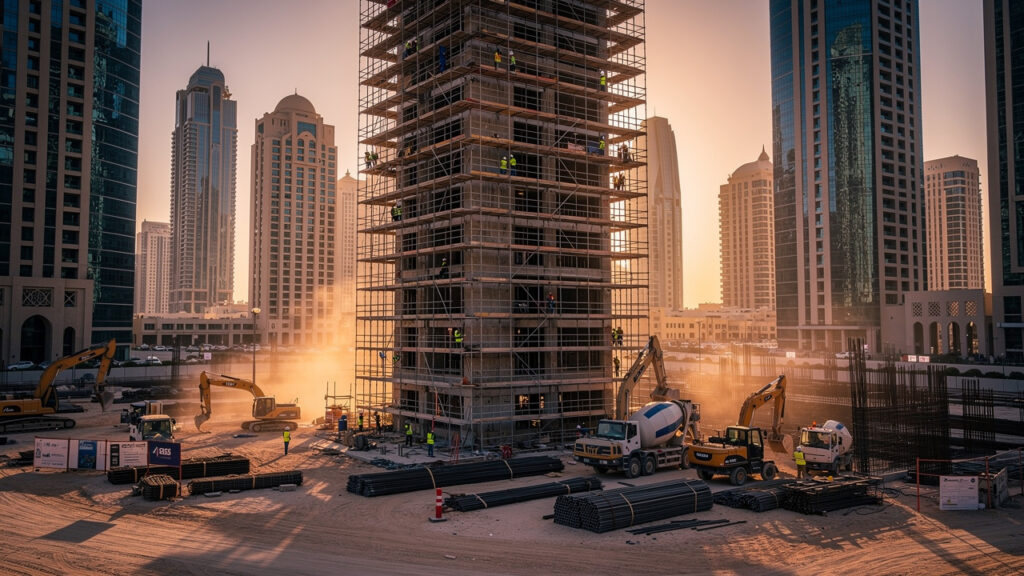
Noise complaints are rising across Saudi Arabia construction projects, from busy hotel corridors to echoing offices and classrooms. When walls and floors leak sound, tenants lose privacy and operators face constant frustration and lost bookings. Choosing the best soundproofing materials at design stage stops this cycle and protects comfort, wellbeing, and budgets.
Soundproofing means blocking airborne and impact noise from passing between rooms, not just softening echo inside a space. This guide explains how soundproofing works, outlines the four core acoustic principles, and highlights the materials that suit Saudi residential, hospitality, corporate, studio, and educational projects. You will also see how bulk sourcing simplifies work for contractors and procurement teams.
By the end, you will have a clear starting point for quieter, Vision 2030 ready buildings across the Kingdom.
Key Takeaways
Before the detail, it helps to see the main points in one place. Use these notes as a checklist while reading.
Soundproofing vs. absorption: Soundproofing blocks noise travelling between spaces, while acoustic absorption improves how sound behaves inside a room. Most Saudi projects that care about comfort need both approaches working together.
Four acoustic principles: Four core ideas – mass, decoupling, absorption, and damping – sit behind every acoustic wall or floor build up. Once you understand them, comparing material options feels much simpler.
Proven material families: PET, wood, stretch panels, mineral wool, mass loaded vinyl, and acoustic underlayment fit common Saudi project needs. Together, they address everything from hotel room privacy to impact noise in tiled residential towers.
Wholesale supply: Choosing materials by project type and buying through DE Sound supports budgets and delivery schedules. Wholesale acoustic supply helps large Saudi projects stay consistent from the first mock up to the final handover.
Why Soundproofing Is A Priority In Saudi Arabia’s Construction Sector
Soundproofing is a priority in Saudi Arabia’s construction sector because dense urban growth and Vision 2030 projects push buildings closer together and standards higher. Good acoustic performance now affects guest ratings, lease values, and even learning outcomes. Poorly controlled noise quickly shows up as complaints and costly rework.
Riyadh, Jeddah, and Dammam are seeing taller residential towers, mixed use complexes, and transit oriented developments, and the Global Buildings Database Seed on whole life carbon emissions and material intensity underscores how rapidly expanding building stock in emerging urban markets amplifies both energy and acoustic performance challenges. In these settings, sound passes easily through light partitions, floor slabs, and service shafts if designers ignore acoustics. Hotel rooms beside lift lobbies, apartments over parking decks, and classrooms near sports halls all need planned isolation.
Health is another driver. The World Health Organization links chronic environmental noise to sleep disturbance, heart disease, and reduced productivity, estimating at least one million healthy life years lost each year in Western Europe alone due to noise exposure World Health Organization. Saudi cities want to avoid repeating that pattern as they grow.
Many public health experts warn that “unwanted sound is not just an annoyance, it is a risk factor for long-term health problems.”
Green building frameworks such as LEED and BREEAM, now common on Vision 2030 linked work, also reward acoustic comfort, with research on the Advances Toward a Net-Zero global building sector highlighting how integrated performance standards are reshaping material choices. LEED v4 even offers specific credits for acoustic performance in schools and healthcare facilities US Green Building Council. That pushes project teams to choose materials that are both acoustically effective and environmentally responsible.
What Are The Four Core Principles Behind Effective Soundproofing?
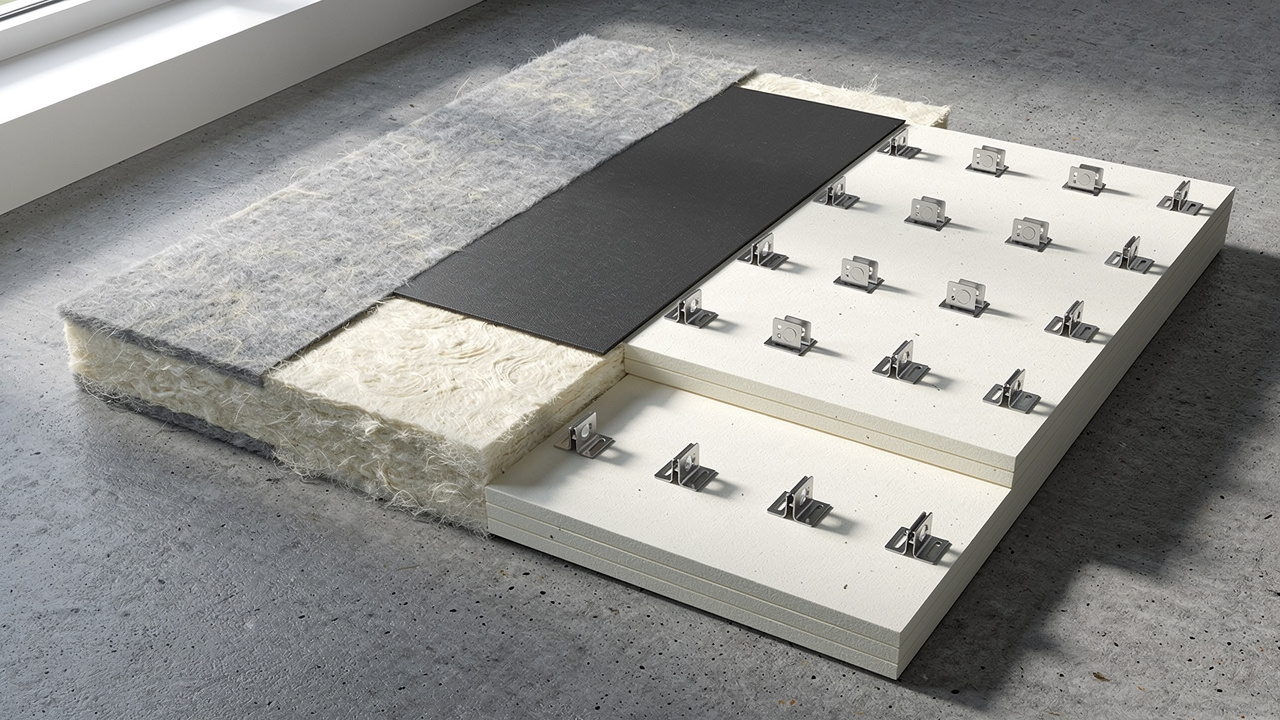
The four core principles behind effective soundproofing in Saudi Arabia construction projects are mass, decoupling, absorption, and damping. Each one targets either airborne sound, impact noise, or both. When you combine them, you move from guesswork to predictable acoustic results.
Mass means adding weight so sound waves have more difficulty moving a wall, floor, or ceiling. Concrete does this naturally, but materials like mass loaded vinyl (MLV) and multiple layers of gypsum board give similar benefits in lighter build ups. Mass mainly controls airborne sound from voices, music, and traffic.
Decoupling breaks the rigid path sound uses to travel through a structure, and studies such as the Acoustic performance optimization of natural-fiber micro-perforated panels show how material geometry and air gaps can be engineered to significantly improve transmission loss across a range of frequencies. Systems such as resilient channels and acoustic clips separate drywall from studs or slabs. This break in contact is especially helpful for low frequency noise and footfall from the level above.
Absorption uses porous materials to soak up sound inside cavities or on exposed surfaces. Mineral wool, PET acoustic panels, and other fibrous products reduce reflected sound energy, which cuts reverberation and slightly improves transmission loss. Absorption matters inside wall and ceiling voids, as well as inside rooms.
Damping turns vibration into tiny amounts of heat. Compounds like Green Glue, used between gypsum layers, limit how much the boards can vibrate when hit by sound. That lowers overall transmission without adding much thickness.
As many acoustic consultants like to say, “The best soundproofing result is always a system, not a single product.”
In practice, a Saudi hotel partition might use mineral wool (absorption), double drywall (mass), acoustic clips (decoupling), and a damping compound all together. That kind of layered design is how projects reach the STC 55 to 60 range often recommended between hotel rooms International Code Council.
Best Soundproofing Materials For Saudi Arabia Projects
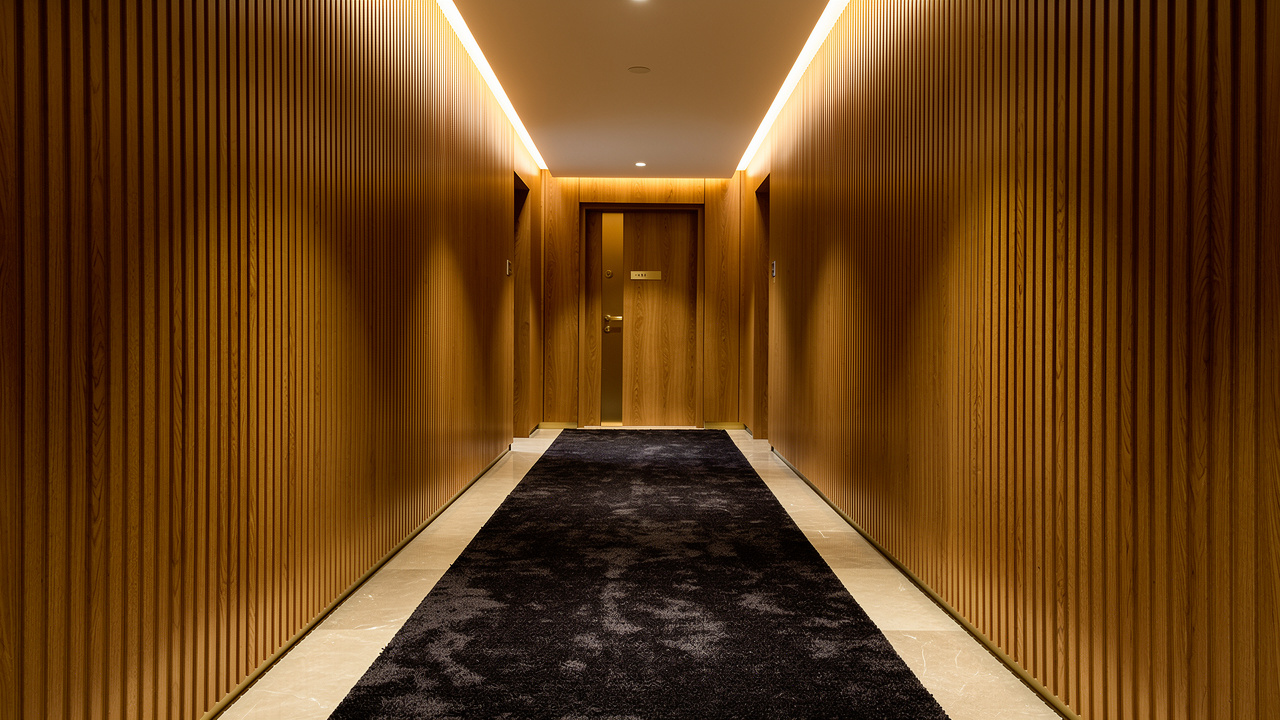
The best soundproofing materials for Saudi Arabia projects combine acoustic performance with fire safety, moisture resistance, and practical installation. Each material below links back to one or more of the four principles and fits common Saudi building types. DE Sound supplies these options in bulk, which helps large sites keep specifications consistent.
These materials do not work in isolation. Instead, they slot into wall, ceiling, and floor build ups that respond to specific noise problems, site conditions, and budget limits.
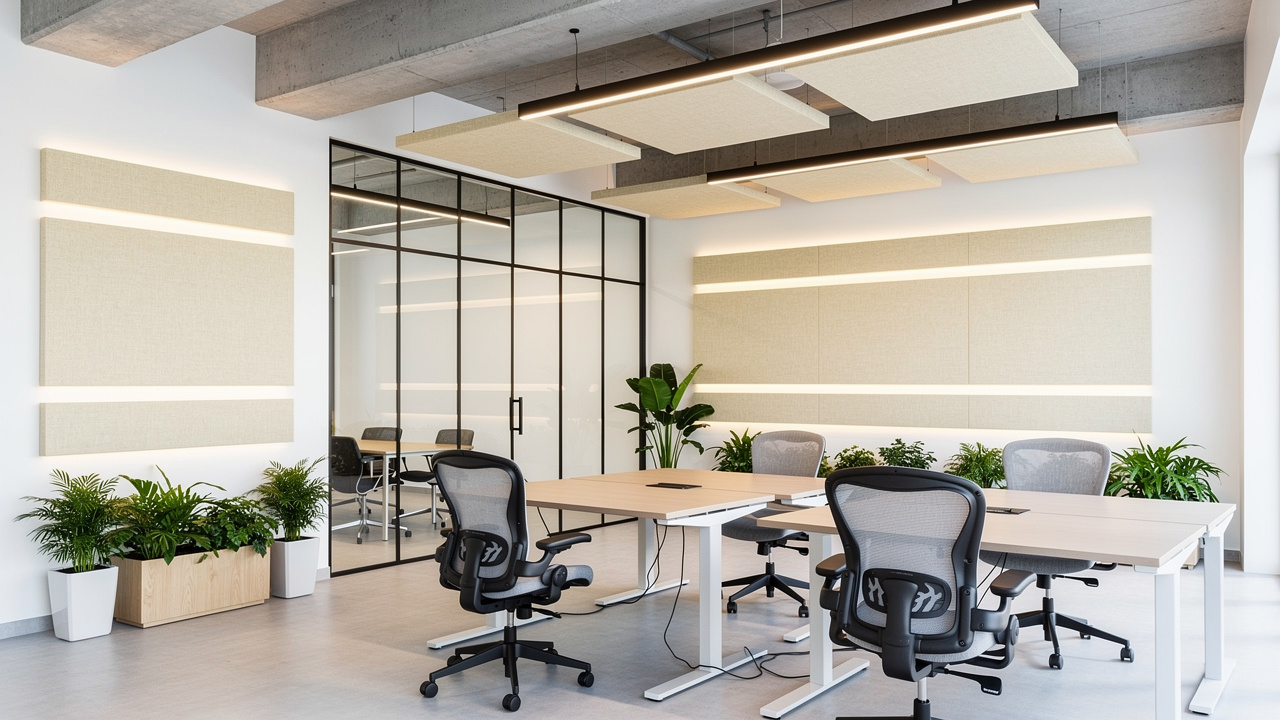
PET Acoustic Panels are lightweight boards made from recycled polyester fiber, and the Acoustic Performance and Life cycle assessment of mycelium-based and bio-composite panels confirms that sustainably produced fibrous boards can reach competitive NRC values while reducing embodied carbon compared to conventional alternatives. They work as exposed wall or ceiling finishes that absorb sound and calm reverberation. Many polyester panels reach NRC values between 0.75 and 0.95 according to manufacturer tests from groups such as Autex Acoustics, meaning they absorb most incident sound at mid and high frequencies. In Saudi projects, PET panels suit offices, classrooms, coworking hubs, and lobbies that need both visual appeal and speech clarity.
Wood Acoustic Panels combine timber faces with perforations or grooves backed by acoustic fleece or mineral wool. The decorative front keeps interiors warm and premium, while the backing absorbs sound. NRC performance varies with groove pattern and backing thickness, but values around 0.70 and higher are common for quality systems. Designers in Riyadh and Jeddah often specify wood panels in hotel lobbies, boardrooms, majlis areas, and lecture halls.
Stretch Acoustic Panels use a perimeter track with a stretched fabric facing over an absorbent core such as mineral wool or PET. This creates a seamless, clean surface with hidden joints that suits minimalist interiors. Acoustic performance depends on the core, thickness, and perforation of any backing board, but well designed systems reach classroom and auditorium standards. Fit out contractors like them for cinemas, prayer halls, and conference spaces where integrated lighting and access panels are needed.
Mineral Wool (Rockwool) is dense fibrous insulation placed inside wall and ceiling cavities, and recent research on Fabrication of Thermo‐Acoustic Insulation boards confirms that integrating natural fibers and industrial materials in cavity systems delivers strong combined acoustic and thermal performance. Products supplied by DE Sound and manufacturers such as Rockwool Group regularly reach NRC figures between 0.90 and 1.10 at sufficient thickness, while also providing fire resistance and thermal insulation. In Saudi Arabia, mineral wool is a go-to infill for hotel partitions, school walls, and office cores because it supports both acoustic and fire code needs.
Mass Loaded Vinyl (MLV) is a flexible, high-density sheet supplied in rolls. Installed over studs, under screeds, or between drywall layers, it adds mass without much thickness. Data from industry suppliers such as Acoustical Surfaces show that a 1 pound per square foot MLV layer can lift a wall assembly STC by roughly 5 to 10 points when detailed correctly. MLV suits party walls between apartments, hotel room separations, and plantroom linings where space is tight.
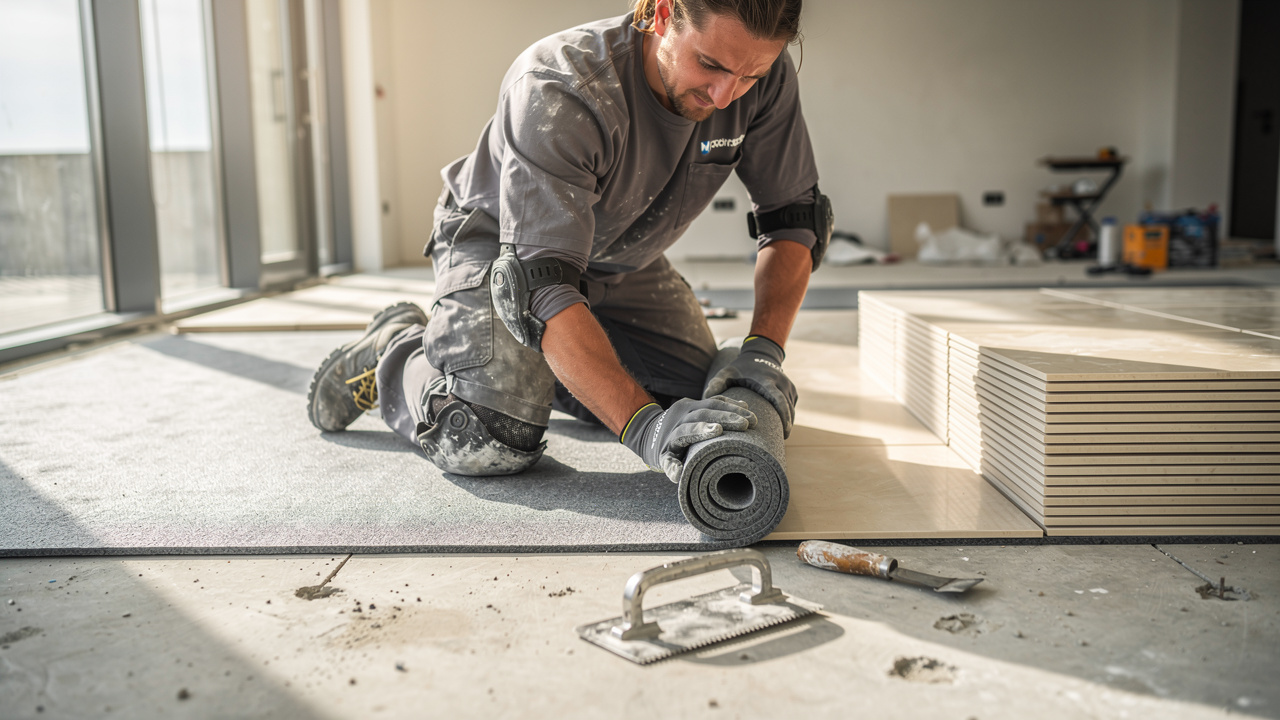
Acoustic Underlayment sits under tiles, stone, laminate, or timber to cut impact noise from footsteps and chair movement, a principle supported by A comparative study on acoustical properties using recycled porous materials, which demonstrates how layered porous systems reduce impact transmission under hard floor finishes. Rubber and composite underlayments often reach IIC ratings of 60 or higher under hard floors, which is a common target for multi family homes and hotels Soundproofing Company. In Saudi towers with extensive ceramic flooring, acoustic underlayment is essential to keep noise from upper levels out of bedrooms and living rooms below.
| Material | Primary Mechanism | Key Rating | Best Saudi Application |
|---|---|---|---|
| PET Acoustic Panels | Absorption | NRC 0.75–0.95 | Offices, schools, residential feature walls |
| Wood Acoustic Panels | Absorption + Diffusion | NRC depends on pattern | Hospitality, corporate, education |
| Stretch Acoustic Panels | Absorption | NRC depends on core | Modern halls, cinemas, conference rooms |
| Mineral Wool | Absorption + Mass | NRC 0.90–1.10 | Wall and ceiling cavities across sectors |
| Mass Loaded Vinyl | Mass and Barrier | STC improvement | Hotel, residential, plant enclosures |
| Acoustic Underlayment | Decoupling + Mass | IIC rating | Multi story housing, hotels, malls |
DE Sound keeps these product families in stock for GCC projects, helping Saudi contractors get consistent acoustic materials to sites in Riyadh, Jeddah, NEOM areas, and beyond.
How To Choose The Right Soundproofing Material By Project Type
Choosing the right soundproofing material for a Saudi project means linking noise problems, performance targets, and build ups. The same product that shines in a cinema may be excessive for a quiet residential villa. Thinking by project type avoids confusion and supports better early design choices, and the Selection of Materials for noise control in buildings using a multicriteria decision method provides a structured framework for evaluating competing acoustic products across different building uses.
Many international guidelines suggest minimum wall ratings around STC 50 between dwellings, with hotel guest rooms often aiming higher, around STC 55 to 60 International Code Council. Floors between residential levels usually target IIC 50 or better, higher where premium comfort is promised. Material combinations below move typical Saudi spaces toward these numbers when installed well.
Project tip from many GCC contractors: “Identify the noisiest spaces first, then design your acoustic systems around those weak points.”
Hotels and hospitality need strong privacy between rooms and between corridors and suites. Mineral wool in stud cavities, one or more layers of drywall, and MLV in key partitions build mass and absorption. Acoustic underlayment below tiled or stone floors cuts impact noise from rolling luggage and footsteps in corridors.
Corporate offices focus on speech privacy in meeting rooms and pleasant sound in open plan areas. PET or stretch panels on walls and ceilings keep reverberation under control. MLV or higher density partitions around boardrooms protect confidential conversations from adjacent workstations.
Schools and universities benefit from quiet classrooms where teachers can speak at natural levels. Mineral wool inside partitions, combined with wood or PET wall panels, keeps background noise low. Acoustic underlayment in corridors and multi use halls reduces clatter from students moving between lessons.
Residential villas and compounds often struggle with hard finishes and sound between family areas and bedrooms. Acoustic underlayment under tiles in bedrooms and living spaces reduces impact noise. PET panels and thicker, insulated partitions between noisy and quiet rooms help families share space comfortably.
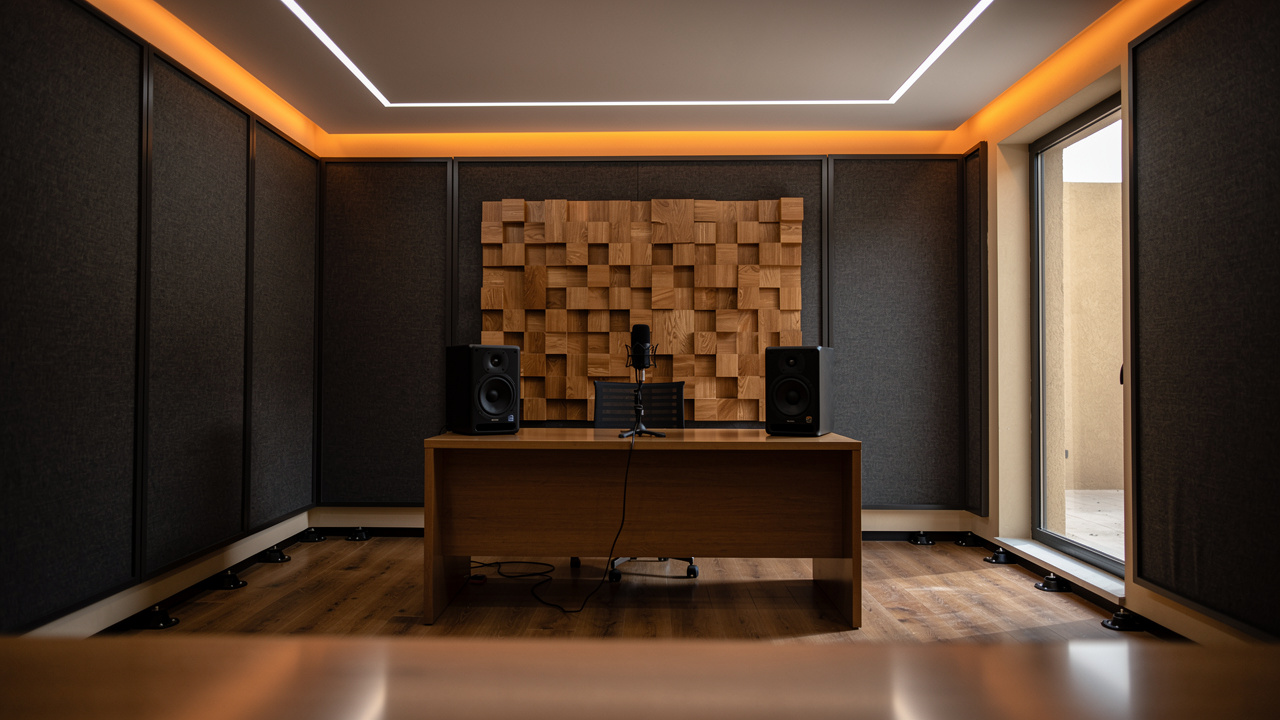
Studios and media rooms demand stronger isolation for music, podcasts, or gaming. MLV, mineral wool filled double stud walls, and treated ceilings form the isolation shell. Inside, PET or wood panels shape the sound quality while keeping the room visually attractive.
DE Sound supports each of these project types with material schedules and quantity take offs, so design teams choose systems that fit both performance goals and budgets.
Why DE Sound Is The Trusted Acoustic Materials Supplier For Saudi Projects
DE Sound is a trusted acoustic materials supplier for Saudi projects because it combines factory level pricing with technical support and GCC wide logistics. Project teams get tested products, consistent batches, and guidance without dealing with many small distributors. That mix saves time during design and execution.
The company offers PET panels, wood acoustic panels, stretch systems, mineral wool, MLV, and acoustic underlayment at wholesale scale. All are backed by performance data and fire classifications suited to Saudi commercial and residential work. This gives architects and contractors confidence when they specify acoustic build ups for hotels, schools, offices, and villas.
Logistics matter on Vision 2030 programs where timelines are tight. DE Sound ships across six GCC countries, including Saudi Arabia, so large mixed use developments can source the same acoustic finishes for towers in Riyadh and Jeddah. Transparent quotes and bulk pricing help procurement teams lock in budgets early.
Sustainability is another reason DE Sound aligns well with the Kingdom’s direction. The World Green Building Council notes that buildings account for almost 40 percent of global energy related carbon emissions, a figure reinforced by the Global Buildings Database Seed on whole life carbon emissions, energy performance, and material intensity, which documents the scale of the built environment’s climate footprint across global building stock. Eco focused products such as recycled PET panels and long life mineral wool help project teams address both acoustic comfort and environmental goals tied to LEED, BREEAM, and local green building rating systems.
Putting It All Together
Saudi Arabia’s rapid construction growth demands buildings that sound as good as they look. Soundproofing is not a last minute accessory; it is a performance requirement that affects hotels, offices, schools, homes, and studios. The best soundproofing materials work together, using mass, decoupling, absorption, and damping in balanced layers.
Conclusion
When you combine mineral wool, MLV, acoustic underlayment, and well chosen PET, wood, or stretch panels, you build spaces that handle both external noise and internal comfort. Each Saudi project type needs its own mix, but the principles stay the same. For help turning these ideas into detailed wall and floor build ups, and for bulk pricing on acoustic materials across the Kingdom, contact DE Sound and share your drawings or room schedules.
Frequently Asked Questions
Question 1: What is the difference between soundproofing and acoustic treatment?
Soundproofing stops sound travelling between spaces by adding mass, decoupling, and damping. Acoustic treatment shapes sound inside a room using absorbers and diffusers. Most Saudi projects that care about comfort and privacy combine both methods in different parts of the building.
Question 2: Which soundproofing material is best for hotel projects in Saudi Arabia?
The most effective hotel build ups usually mix mineral wool in cavities, MLV on key partitions, and acoustic underlayment beneath tiled or stone floors. Wood or stretch panels then bring extra absorption and visual warmth in lobbies, corridors, and suites without changing the main structure.
Question 3: Do soundproofing materials need to meet green building standards for Vision 2030 projects?
Many Vision 2030 projects now follow LEED or BREEAM guidelines, which encourage low emission, recycled, and durable materials. PET acoustic panels made from recycled polyester fiber fit these goals well. DE Sound supplies several eco focused product lines that help project teams align with green targets.
Question 4: How do I calculate how much soundproofing material I need for a large project?
You start by measuring the wall, ceiling, and floor surface areas that need treatment, then match them to chosen assemblies. Required quantities depend on target STC or IIC ratings and the number of layers in each build up. DE Sound offers free consultation to help procurement teams create accurate take offs.
Question 5: Can DE Sound supply acoustic materials in bulk for large Saudi construction projects?
Yes, DE Sound operates as a wholesale acoustic supplier with factory direct pricing. The company delivers PET, wood, stretch panels, mineral wool, MLV, and underlayment in bulk across Saudi Arabia. That makes it suitable for hotels, campuses, mixed use towers, and large residential communities.