
Introduction
Bad acoustics spoil client meetings, podcast episodes, and hotel stays long before anyone thinks about the hardware behind the walls. A PVC profile track is the rigid PVC channel that forms the hidden frame for those acoustic panels. When that track is specified poorly or installed badly, panels sag, gaps appear, and performance drops.
A PVC profile track replaces fragile methods with a solid, reusable support for panels, foam tiles, and fabric boards. Instead of relying on glue alone, it creates a mechanical frame that keeps panels aligned, replaceable, and neat. This guide explains what a PVC profile track is, how it works on walls and ceilings, which technical properties matter in the Gulf climate, and where it appears in studios, hotels, schools, offices, and homes. You will also see how DE Sound supplies compatible tracks and panels across the UAE and wider GCC.
With that overview in mind, it is time to look at the track itself and how it shapes real projects.
Key Takeaways
Before we get technical, it helps to see what matters most. These takeaway points show how the track affects performance, appearance, and maintenance. They also highlight where DE Sound fits when you specify materials for UAE or GCC work.
A PVC profile track forms the rigid frame for acoustic panels and fabric panels. It replaces messy glue-only mounting with a cleaner mechanical fit. That frame keeps edges straight and corners tidy over time.
PVC profile tracks work through a base channel fixed to the structure and a snap-on cover that hides fasteners. The track can run as a perimeter on walls or as a grid on ceilings. This approach also creates a small air gap that supports better sound absorption.

Key technical properties include dimensional stability, moisture resistance, fire rating, and load capacity. These points matter even more in hot, humid Gulf conditions. The right specification keeps panels safe, aligned, and compliant with local rules.
PVC profile tracks appear in recording studios, podcast booths, offices, hotels, schools, and villas. They help tune acoustics while giving designers a clean, architectural finish. Panels can be removed for cleaning or upgrades without tearing the wall.
Sourcing PVC profile tracks and panels together through DE Sound reduces sizing and compatibility problems. Factory-direct pricing supports tight project budgets across multiple rooms or floors. Free technical guidance helps teams pick the correct profile for each acoustic system.
What Is a PVC Profile Track and Why Does It Matter in Acoustic Systems?
A PVC profile track in an acoustic system is a rigid plastic channel that carries and finishes panels on walls and ceilings. It acts like a hidden frame that holds foam, fabric, or composite boards firmly in place. Without a reliable track, even the best acoustic panels struggle to deliver consistent performance.
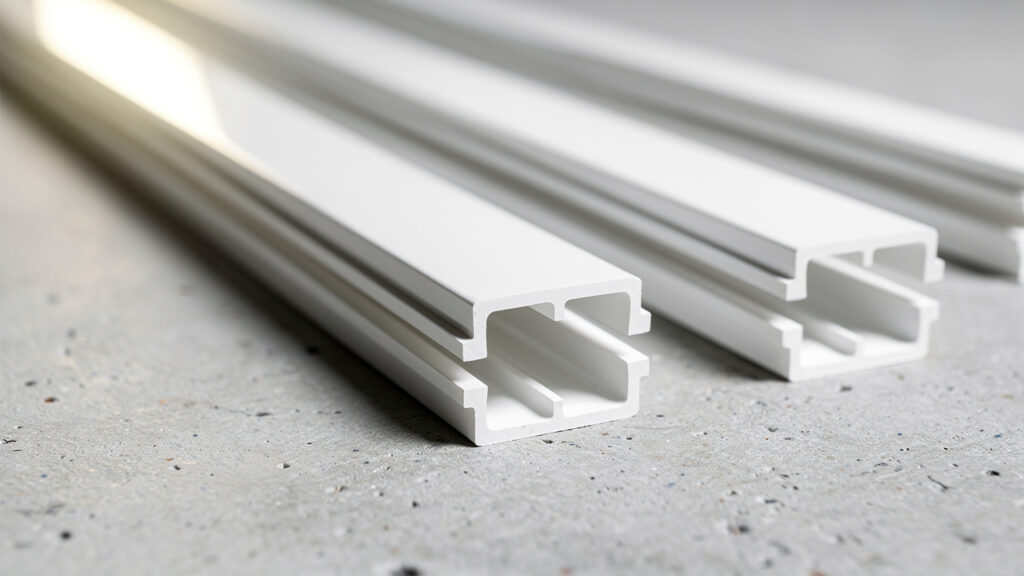
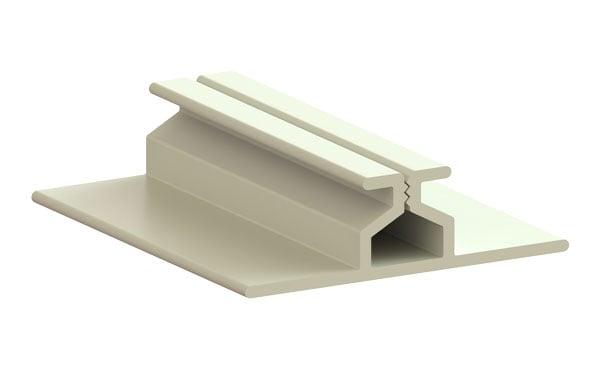
At its simplest, a PVC profile track is extruded polyvinyl chloride cut into long, precise channels. Installers fix those channels to concrete, blockwork, or gypsum board, then slide or clip panels into the openings. The track hides screws, protects panel edges, and creates a clean visual line around each array. Compared with glue-only installs, this method is neater, easier to repair, and far kinder to finished wall surfaces.
Noise control is more than comfort. According to the World Health Organization, environmental noise exposure links to sleep disturbance and reduced learning performance. When rooms echo or speech is muddy, meetings, lessons, and recordings suffer. A well-designed PVC profile track system helps panels sit exactly where the acoustic consultant intends, which supports target reverberation times and clarity.
How Do PVC Profile Tracks Work in Acoustic Panel Systems?
PVC profile tracks in acoustic panel systems work by creating a fixed framework that panels lock into instead of sticking directly to the wall. The track turns scattered panels into a planned grid with straight joints and predictable spacing. This structure supports both visual order and repeatable acoustic performance.
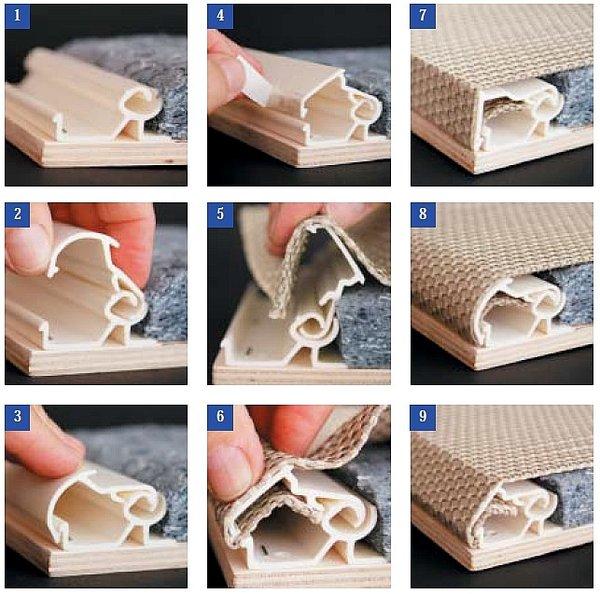
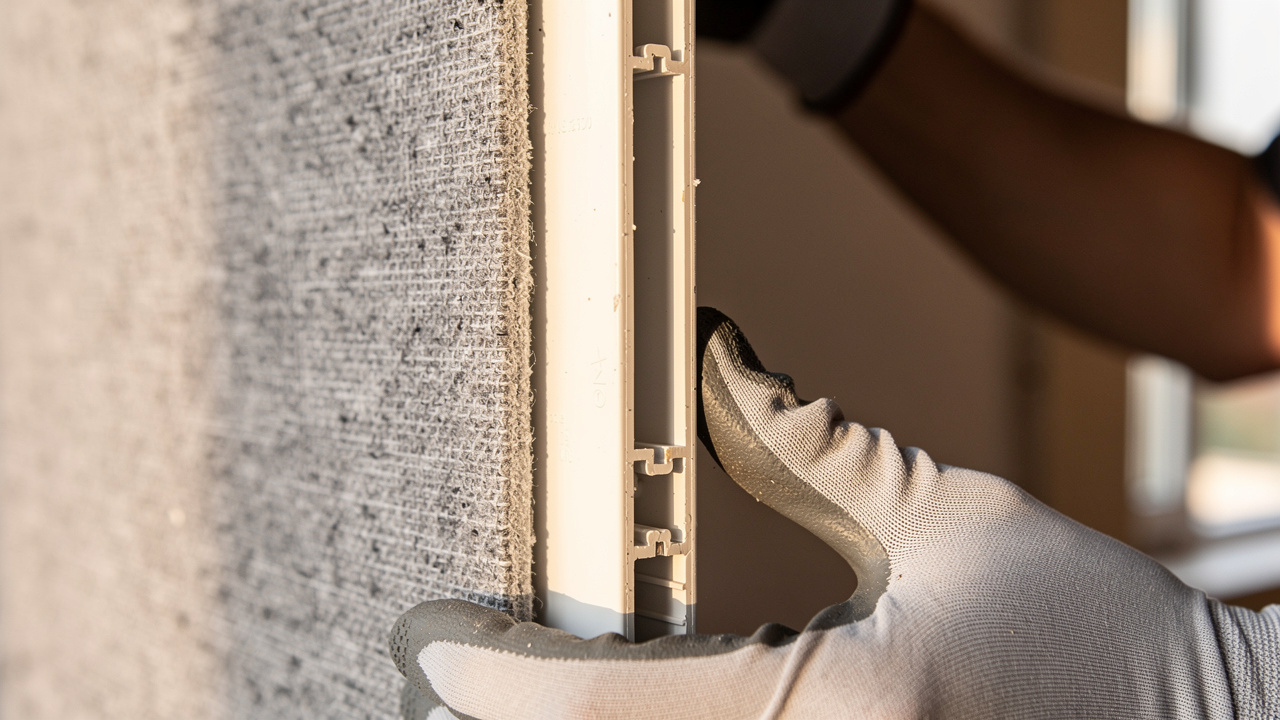
Most acoustic PVC profile track systems, including those from DE Sound, use two main parts. The base or fixing channel attaches to the wall or ceiling using screws and suitable anchors. A second cover or snap-fit profile clips onto that base once panels are in position, hiding fixings and forming a neat edge. This simple pair carries the weight of panels while giving installers room to adjust.
A typical installation sequence with DE Sound PVC profile tracks looks like this:
Surface Preparation
Installers clean the wall or ceiling so dust, laitance, or loose paint does not interfere with fixings. They check that substrates such as blockwork, concrete, or gypsum board are sound and dry. Layout lines are marked so tracks line up with panel sizes and room geometry.Track Fixing
The base PVC profile track is cut to length and fixed along the marked lines. Screws and plugs go at regular centers so the channel stays straight and flat under load. On drywall, installers often aim for metal studs or use high-quality hollow-wall anchors.
Panel Insertion
Acoustic foam boards, fabric-wrapped panels, or polyester tiles are positioned into the open side of the track. The installer checks alignments, joints, and pattern directions before closing anything. Small shims or spacers can fine-tune gaps so lines stay tight and uniform.Cover Profile Application
Once panels sit correctly, the cover or snap-on profile clips over the base channel. This hides all screws and clamps the panel edge. The result is a finished border that looks intentional rather than improvised.
Tip from the DE Sound Installation Team: Always dry-fit a full row of panels in the PVC profile track before snapping on covers. It is faster to adjust one loose row than to reopen several finished joints.
What Are the Key Technical Properties of Acoustic PVC Profile Tracks?
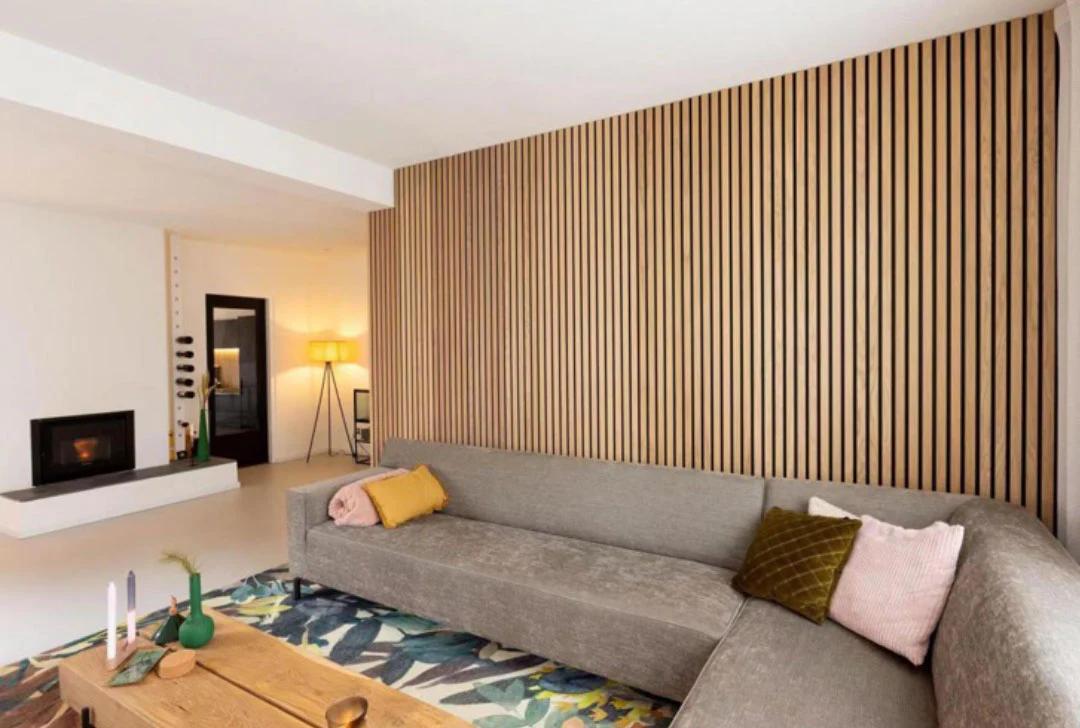
The key technical properties of an acoustic PVC profile track are its dimensional stability, moisture resistance, load capacity, and fire performance. These features decide whether the track can support panels safely in the Gulf climate while matching local regulations. Designers who understand these points can specify with more confidence.
Key points include:
Dimensional Stability and Load Capacity
Dimensional stability comes from precise extrusion and a suitable PVC compound. On long walls in hotel corridors or classroom blocks, tiny variations in channel size can create visible steps and gaps. Quality tracks keep section size consistent along their full length, so 600 by 600 millimeter tiles or large fabric panels line up cleanly.Moisture and Chemical Resistance
Moisture and chemical resistance are major advantages of PVC in the Gulf region. The climate in cities like Dubai and Muscat brings high humidity, salt-laden air, and frequent temperature swings. PVC does not rust, swell, or support mold growth the way untreated steel or timber can, and findings on Modeling Moisture Accumulation and decay potential in timber wall assemblies illustrate exactly why moisture-resistant framing matters in high-humidity environments.Fire Performance and Approvals
Fire performance is another key specification point, and research into Production and characterization of hybrid PVC materials shows how compound formulation directly influences the thermal and fire properties of extruded profiles. Commercial fit-outs in the UAE must follow Dubai Civil Defence and other local authority rules.Color and Visual Integration
Color options such as white, black, and grey, plus custom RAL shades on large orders, allow the track to blend into or contrast with the design. This lets architects line tracks up with lighting, trims, or feature walls without drawing attention away from the overall scheme.
A simple comparison against common alternatives looks like this:
| Property | PVC Profile Track | Aluminum Track | Timber or MDF Batten |
|---|---|---|---|
| Cost Level | Lower material and cutting cost | Higher material cost | Medium cost |
| Moisture Behavior | Resists swelling, rust, and mold | Can corrode without proper coating | Swells, warps, can support mold |
| Acoustic Behavior | Does not conduct sound or heat strongly | Conducts vibration and heat more easily | Adds mass but can deform over time |
| Gulf Climate Suitability | Very suitable for humid, salty conditions | Needs extra surface protection | Risky in humid, poorly ventilated areas |
“In the UAE climate with high humidity, extreme summer heat, and dust, PVC profile tracks outperform both aluminum and timber in most acoustic applications.” — DE Sound Technical Team
This mix of stability, climate resistance, and fire-tested options is why PVC profile tracks have become a standard framing choice for many Gulf-region acoustic systems.
Where Are PVC Profile Tracks Used Across Commercial and Hospitality Projects?
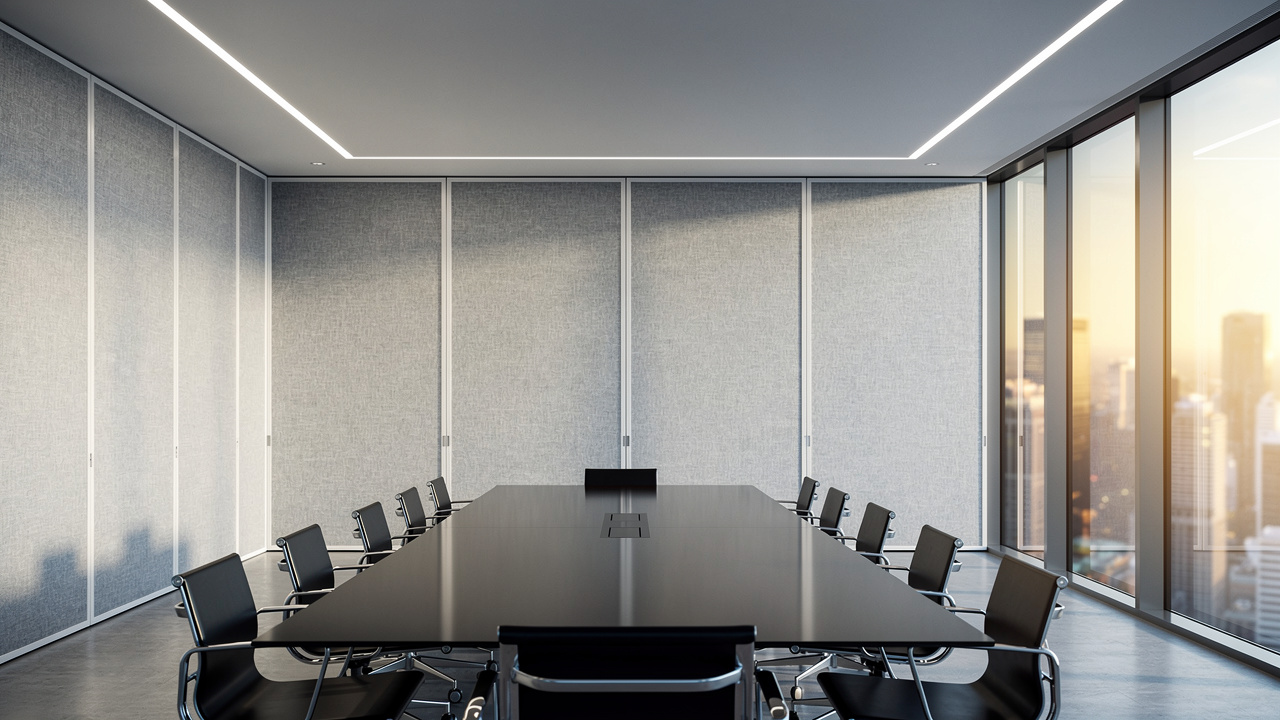
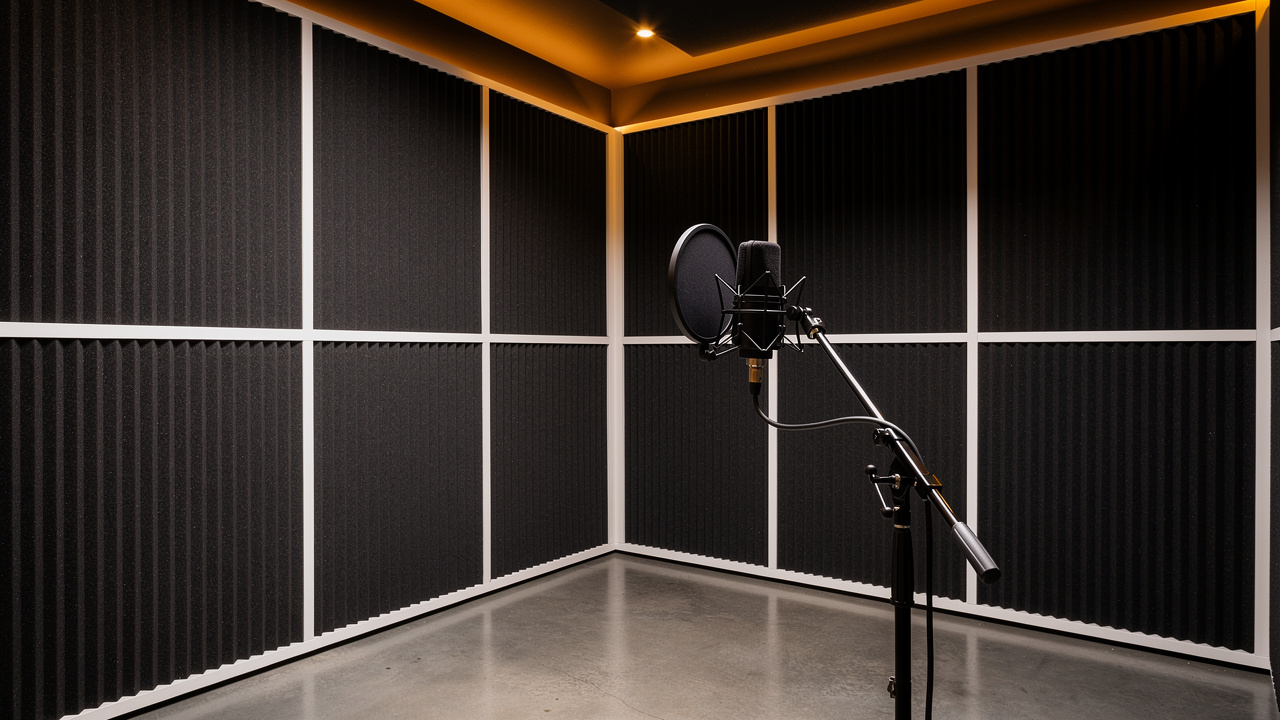
PVC profile tracks appear anywhere that clients need better acoustics and a tidy finish at the same time. They support panels in studios, offices, hotels, schools, and residential spaces across the UAE and GCC. In each setting, the track choice quietly affects daily comfort for staff, guests, and residents.
Common applications include:
Recording studios and podcast booths
Corporate offices and boardrooms
Hotels, resorts, and conference centers
Schools, universities, and training centers
Villas, apartments, and home theaters
In recording studios and podcast booths, tracks help designers build flexible panel layouts, and The Low-Cost Mechanism of passive acoustic optimisation demonstrates how controlled panel positioning significantly affects room acoustic outcomes. Studio builders in Dubai Media City or Abu Dhabi often start with a grid of PVC profile tracks, then rearrange absorber and diffuser panels while tuning the room. That flexibility matters, because small changes in panel positions can shift low-frequency response. Standards like ANSI/ASA S12.60 highlight how controlled reverberation supports clear speech, which is just as true for a podcast as for a classroom.
In corporate offices and boardrooms, fabric-wrapped panels mounted on PVC profile tracks tame echo and make video calls clearer. Open-plan towers in DIFC, Business Bay, and Doha’s West Bay often suffer from speech privacy problems. Research from the University of Sydney found that over half of workers in open offices were dissatisfied with acoustic privacy, which shows how important practical noise control has become. Tracks let panels line up with glass partitions, lighting, and branding features while still being easy to relocate when layouts change.
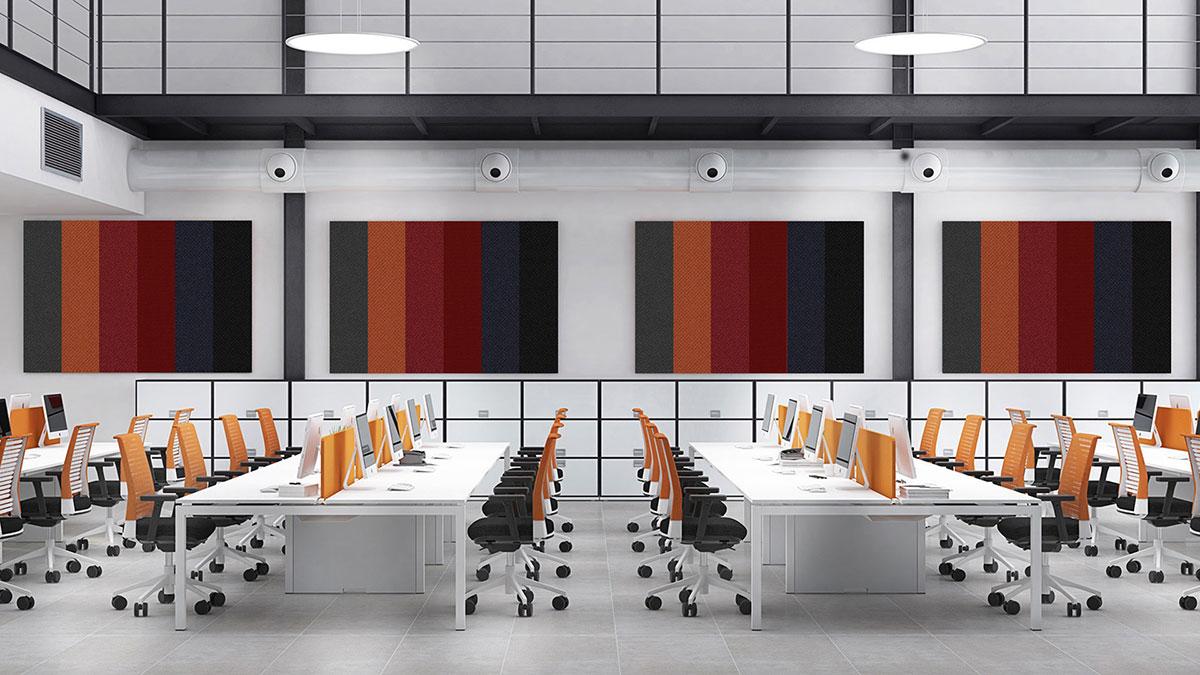
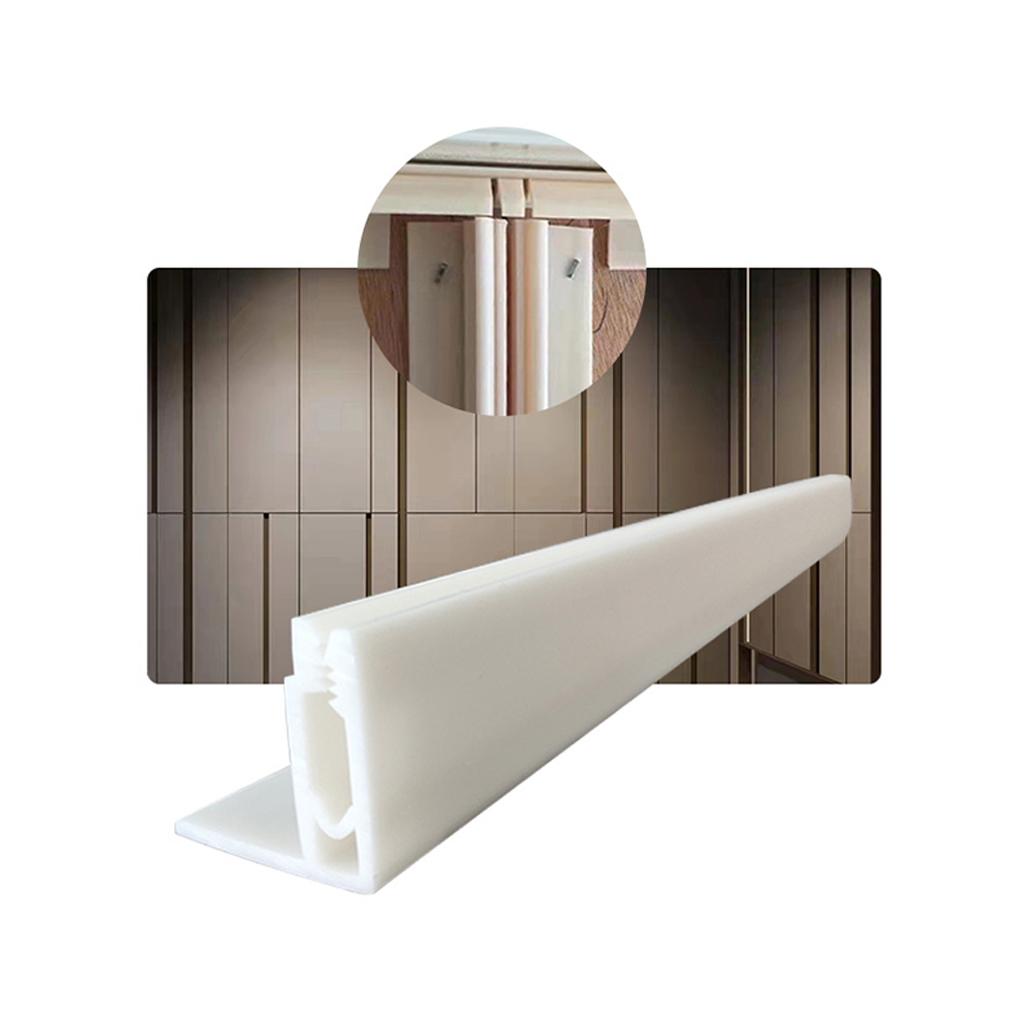
Hotels and hospitality venues rely on PVC profile tracks in ballrooms, conference suites, restaurants, and guest corridors, where the long-term durability of PVC matters — research on Aging properties of bamboo and similar composite materials under cyclic wet-dry exposure highlights why material selection for high-traffic, humid environments requires careful scrutiny. Mechanical fixing keeps panels in place even when trolleys, luggage, and constant cleaning put pressure on wall edges. At the same time, slim J-channels and corner profiles give a neat line that matches marble, timber, or decorative plaster finishes. Facility teams can remove individual panels for reupholstery or maintenance without ripping up entire walls.
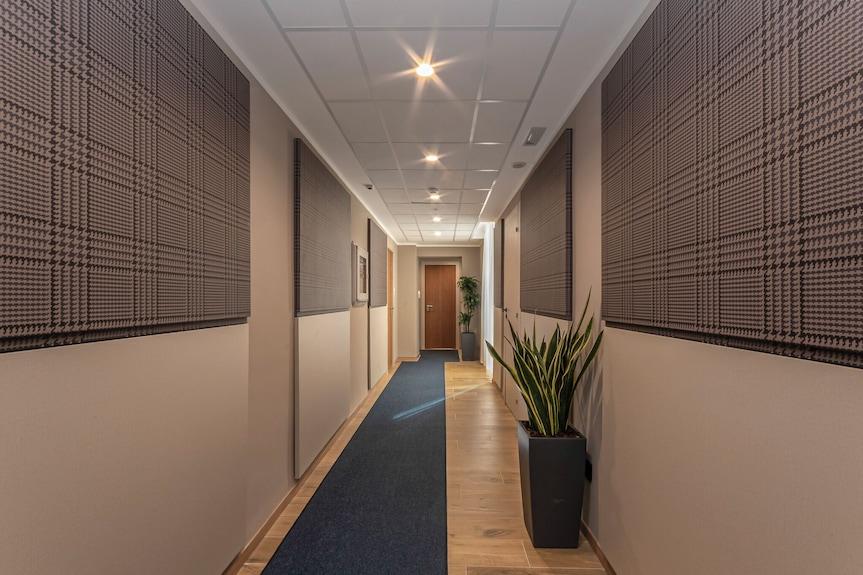
Schools, universities, and training centers use PVC profile tracks to reduce reverberation and improve speech clarity for teachers and students. When a single panel is damaged in a busy corridor in Sharjah or Manama, maintenance teams can lift it out of the track, replace it, and move on. In villas and high-end apartments, interior designers now specify acoustic panel arrays for home theaters and gaming rooms. PVC profile tracks help those panels read as part of the architecture, not as afterthought add-ons.
Why Source PVC Profile Tracks Through DE Sound for Your UAE Project?
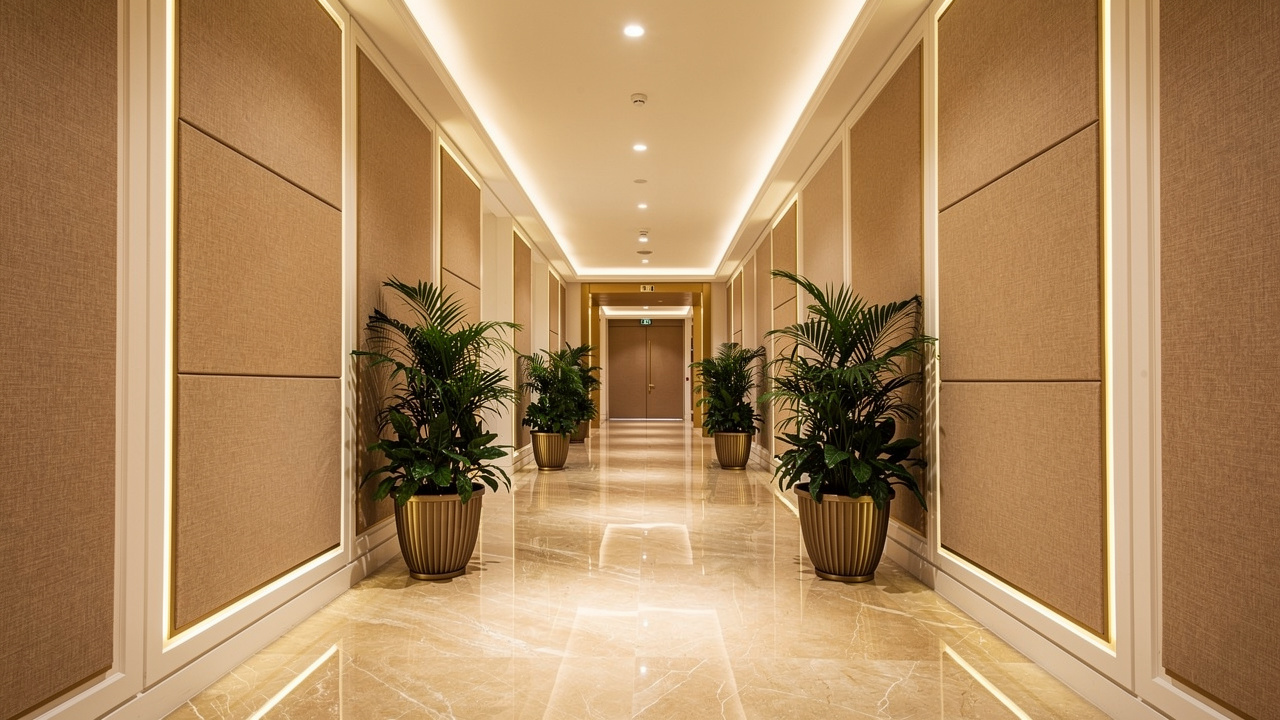
Sourcing PVC profile tracks through DE Sound gives project teams in the UAE and GCC a single, trusted point for both framing and acoustic panels. That combination reduces sizing problems, speeds up procurement, and supports consistent performance across multiple rooms and floors. It also aligns with tight commercial timelines where delays are costly.
DE Sound works as a wholesale supplier with factory-direct pricing, which suits fit-out contractors handling large hotel, office, or school packages. When a tower in Abu Dhabi or a hotel in Riyadh needs hundreds of meters of PVC profile track, buying in bulk from one source keeps costs predictable. Research from McKinsey reports that large construction projects take about twenty percent longer than scheduled on average, and material supply issues are a frequent factor. Reliable stock and fast delivery can help projects stay closer to their original timelines.
Because DE Sound supplies both acoustic panels and PVC profile tracks, designers avoid guessing about fit. Tracks are chosen to match panel thicknesses and mounting methods, whether that means stretch-fabric systems, rigid fiberglass boards, or foam tiles. Sample packs and technical data sheets let architects and acoustic consultants in Dubai, Doha, or Kuwait City test fitment before locking their specifications. That step lowers the risk of on-site adjustments, shimming, or reordering.
Technical support is another key benefit. DE Sound’s team advises on profile selection based on substrate type, room use, and acoustic targets. Installers can call for help with questions about fixing centers, thermal movement gaps, or tricky corners. For facility managers and procurement officers, that guidance turns PVC profile track choice from a guess into a planned part of the acoustic design.
Frequently Asked Questions
Question: What sizes and lengths do PVC profile tracks typically come in for acoustic installations?
PVC profile tracks for acoustic installations usually come in straight lengths around 2.4, 2.7, or 3.0 meters. Internal channel widths vary from about 6 millimeters for thin fabric panels up to around 50 millimeters for thick composite boards. DE Sound can arrange bulk pre-cut lengths to match project drawings.
Question: Can PVC profile tracks be used on both walls and ceilings?
Yes, PVC profile tracks work on both walls and ceilings in acoustic systems. On walls, they often run as perimeter frames or vertical joints between panels. On ceilings, they form grids or supporting trims, provided the profile and fixings are rated for the combined weight of tiles and hardware.
Question: Do PVC profile tracks require fire certification for UAE commercial projects?
Yes, many UAE commercial projects need fire-rated PVC profile tracks, especially in escape routes, hotel corridors, schools, and similar spaces. Specifiers usually look for grades tested under standards such as BS 476, EN 13501-1, or ASTM E84. DE Sound keeps the relevant test reports and material data ready for approval submissions.
Question: How do I account for thermal expansion when installing PVC profile tracks in the UAE?
Installers should allow for PVC expansion because indoor temperatures can vary widely before permanent cooling starts. A typical figure is around 0.05 millimeters per meter per degree Celsius. Leaving expansion gaps of roughly 3 to 5 millimeters every 6 meters, especially along long corridors or open-plan offices, helps prevent buckling or cracking in service.