
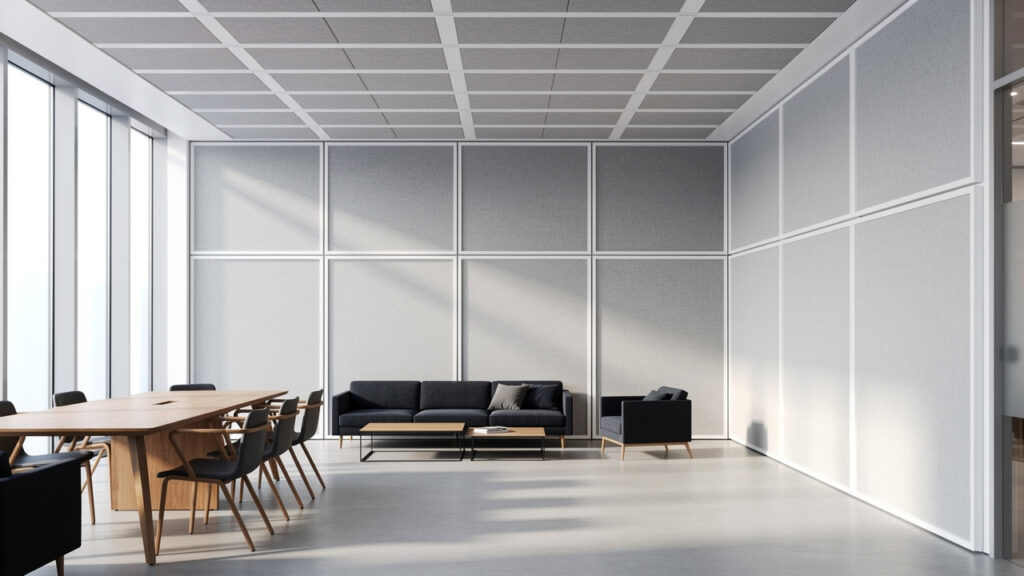
PVC profile tracks largely determine how clean acoustic panels, wall cladding, and ceiling grids look in a commercial building. When the right PVC tracks are missing or specified poorly, projects end up with gaps, rattles, and time‑consuming rework. Across the UAE and GCC, that can also mean inspection issues and frustrated clients.
Fit‑out teams see this when busy offices still echo after handover, or when hotel corridors show chipped panel edges within months. The problem usually is not the acoustic panel itself, but the hidden framing that holds it in place.
PVC profile tracks are plastic framing and finishing channels that support and lock panels, ceilings, and partitions into a neat, stable grid. This article looks at the best uses of PVC tracks in commercial buildings, explains which profiles work where, and links those choices to fire safety and climate performance in the Gulf region. It also shows how DE Sound simplifies bulk supply for regional projects.
Keep reading to see how the right track choice protects both acoustic results and your project margins.
Key Takeaways
PVC profile tracks act as the hidden skeleton behind acoustic walls, ceilings, and cladding in commercial buildings. They hold panels in line, protect edges, and support long‑term acoustic performance, especially in high‑traffic UAE venues.
The most common commercial uses span open offices, boardrooms, hotel lobbies and corridors, classrooms, auditoriums, clinics, and retail interiors. Each setting favors certain track types, such as T‑bars for ceilings or corner profiles for impact zones.
Profile type and dimension affect panel stability, air gaps, and impact resistance, which all shape real‑world acoustic behavior and maintenance needs. A good specification looks at panel thickness, weight, and how often panels need removal.
For the Gulf climate, the best PVC tracks combine proven fire rating, UV and heat resistance, adequate wall thickness, and finishes that coordinate with fabrics and joinery. Cheap imports without these features age quickly under Dubai and Abu Dhabi conditions.
DE Sound supplies certified PVC profile tracks together with matching acoustic panels, offers factory‑direct pricing across six GCC countries, and gives free technical support so commercial teams can order once and install with confidence.
What Are PVC Profile Tracks and Why Do Commercial Buildings Need Them?
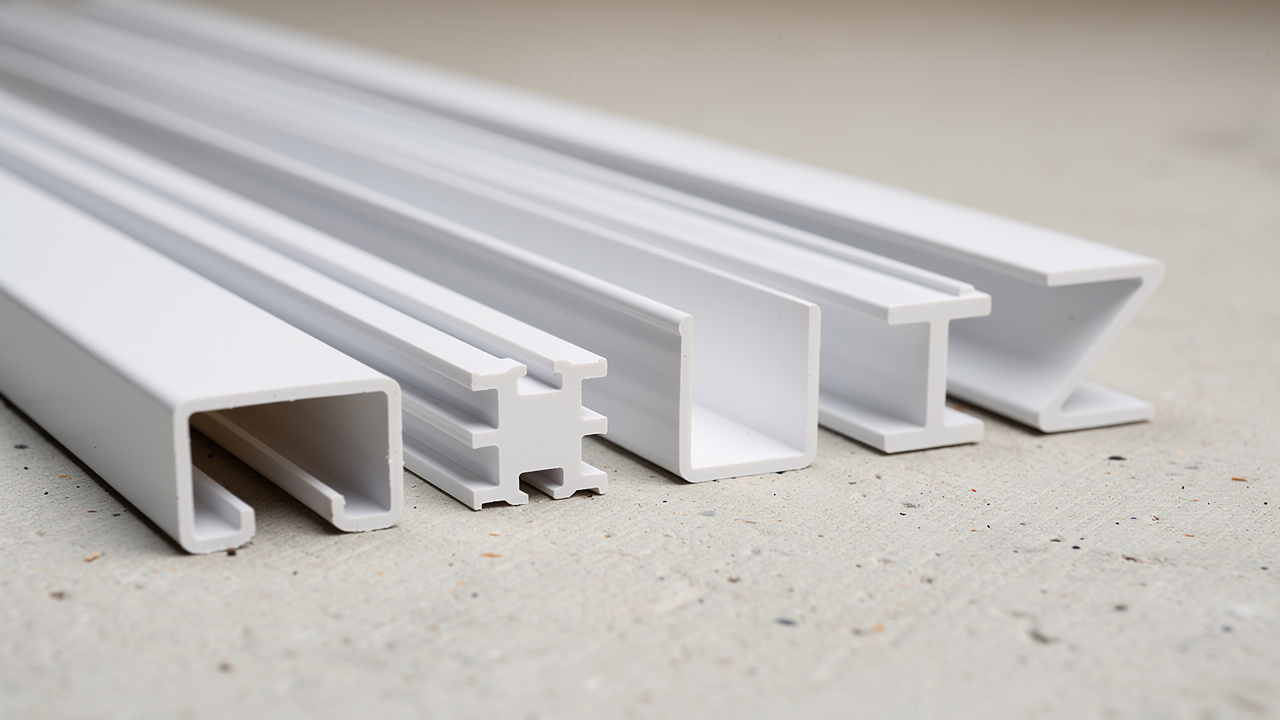
PVC profile tracks in commercial buildings are plastic channels and trims that hold acoustic panels, ceilings, and wall linings steady. They create a hidden frame so panels stay straight, safe, and attractive through years of use. Without the right profiles, even premium acoustic materials can sag, crack, or fall out of alignment.
These tracks come in shapes such as U‑channel, L‑angle, T‑bar, H‑joiner, and Z‑profile:
U and H profiles grip panel edges.
T‑bars form suspended ceiling grids.
L‑angles finish exposed edges.
Z‑profiles step panels at different depths.
Together, they act like a kit of parts that lets architects and contractors build stable acoustic walls, ceilings, and partitions in offices, hotels, schools, clinics, and malls.
Commercial buildings across Dubai, Abu Dhabi, Sharjah, and the wider GCC depend on PVC tracks for more than appearance. Correct profiles keep fabric‑wrapped panels tight for speech privacy in boardrooms, hold ceiling tiles in place over busy classrooms, and protect wall panels in hotel corridors from suitcase hits. According to the World Health Organization, poor noise control affects work and learning, so the support system behind acoustic panels has a direct effect on daily comfort.
For procurement teams, profile choice also links to compliance. UAE Civil Defense approvals expect fire‑rated systems from panel through to trims. Tracks that match panel thickness, fire class, and load support save money by avoiding rework, which can add 5 to 20 percent to project cost in construction according to McKinsey & Company. DE Sound looks at this full picture when it recommends PVC profile tracks for commercial projects.
Top Commercial Applications of PVC Profile Tracks Across Key Sectors
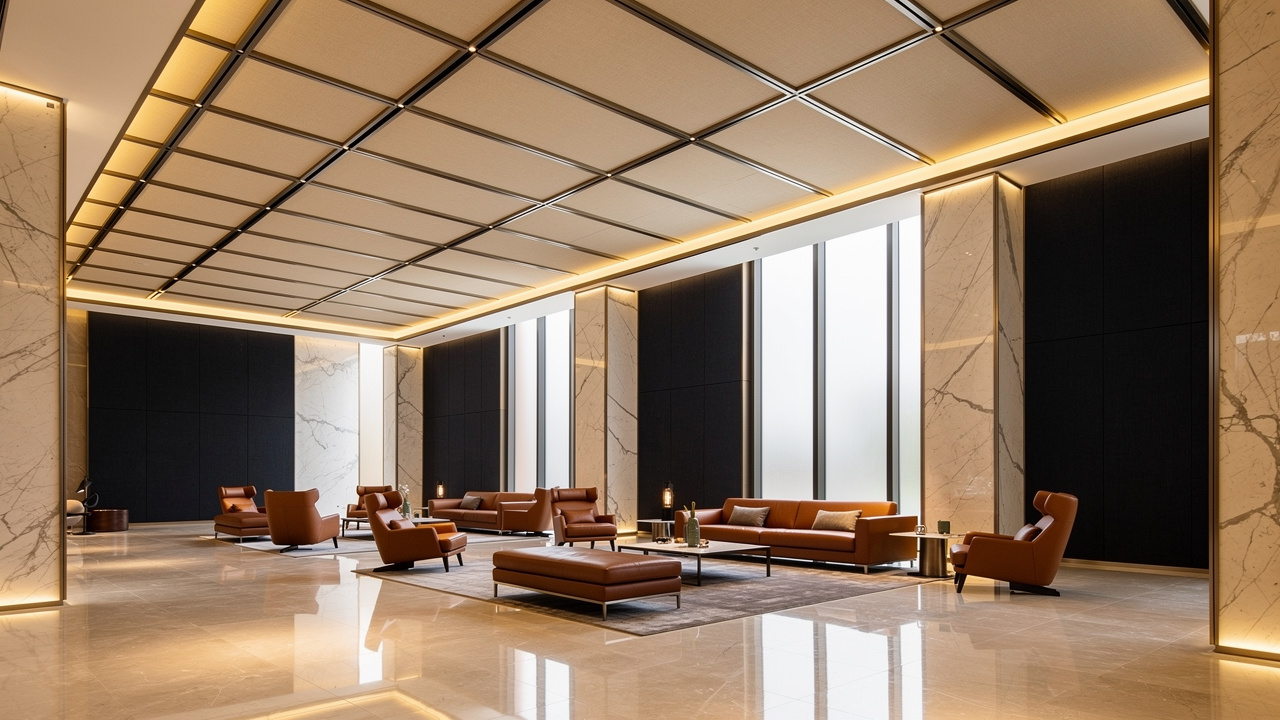
Top commercial uses of PVC profile tracks cover acoustic walls, suspended ceilings, and protective cladding in high‑use spaces. In each setting, profile choice shapes acoustic comfort, cleaning effort, and how well details hold up under daily wear.
In corporate offices and boardrooms from Dubai Media City to Abu Dhabi Global Market, U‑channel and H‑profile tracks frame fabric‑wrapped acoustic panels. These tracks fix panel edges and keep small gaps even, which reduces visible shadow lines and patchy reflections. Research from Nielsen Norman Group notes that noise is one of the main complaints in open offices, so stable acoustic walls that stay tight over time give real value.
Hotels and hospitality venues use T‑bar grids and corner trims heavily. In lobbies, conference rooms, and long corridors, PVC ceiling grids support acoustic tiles while allowing easy access to air‑conditioning and lighting. Corner profiles guard external edges where trolleys and luggage pass all day. In Gulf cities such as Dubai and Doha, where many properties sit near busy roads, this mix of impact resistance and noise control improves guest comfort scores reported by brands such as Marriott and Hilton.
Schools and universities across the UAE and Saudi Arabia often choose suspended acoustic ceilings in classrooms, corridors, and auditoriums. PVC grid profiles let facility teams lift individual tiles for maintenance without breaking the frame. According to the World Health Organization, background noise in classrooms should stay below 35 dB, so reliable grids that keep tiles tight play a real part in meeting that target.
In healthcare and retail spaces, L‑angle trims and base runners finish wall cladding that needs frequent cleaning. Clinics, pharmacies, supermarkets, and malls in Dubai and Riyadh favor PVC profiles because they do not rust and they wipe clean with standard disinfectants, unlike some metal trims that stain over time. DE Sound often pairs these tracks with PET acoustic panels and laminate‑faced boards so designers can meet hygiene and acoustic goals within one coordinated system.
PVC Profile Tracks By Commercial Setting
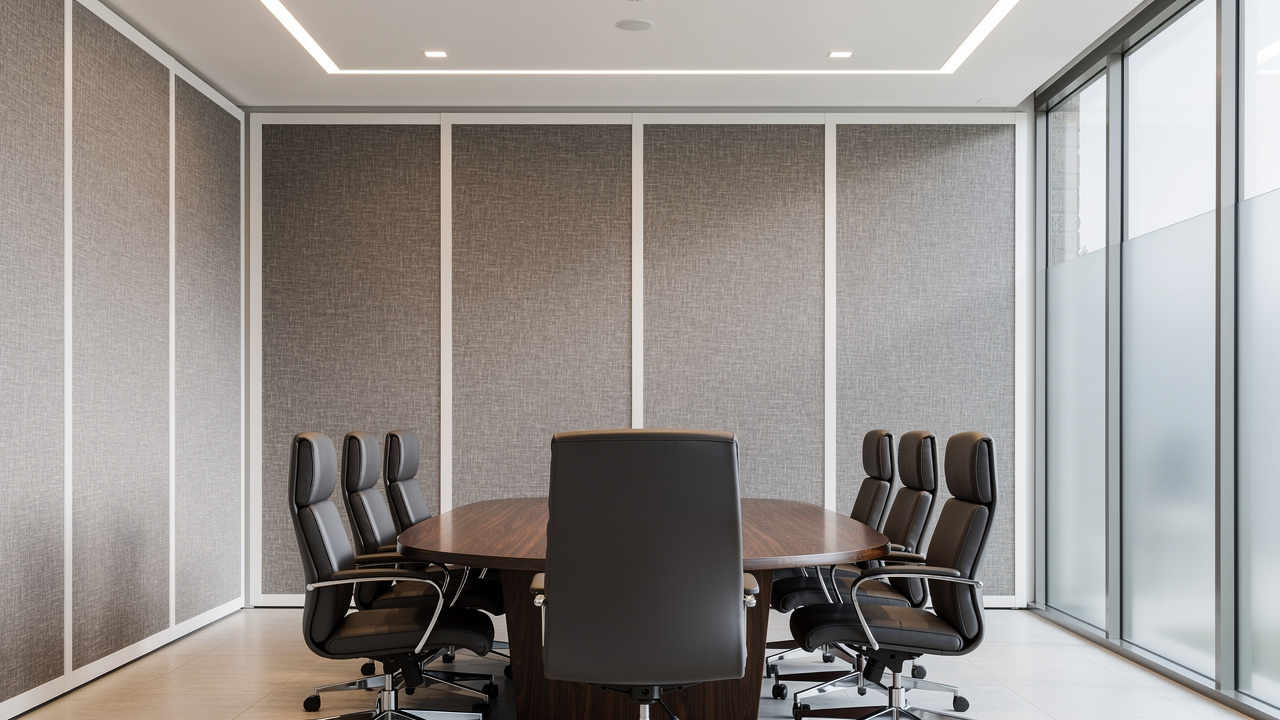
PVC profile tracks by commercial setting follow clear patterns, which helps designers and contractors decide quickly. Each sector tends to repeat the same functional needs, so certain profiles keep appearing in specifications and bills of quantities.
| Commercial Setting | Recommended Profile Type | Primary Benefit |
|---|---|---|
| Corporate offices and boardrooms | U‑channel and H‑profile tracks | Neat acoustic walls with strong speech privacy |
| Hotels and hospitality venues | T‑bar grids and corner profiles | Clean ceilings and protected edges in traffic |
| Schools and educational facilities | Ceiling grid profiles | Quiet classrooms with easy service access |
| Healthcare and retail spaces | L‑angle trims and base runners | Hygienic cladding with strong edge protection |
In corporate offices, U‑channel profiles at the perimeter and H‑joiners between panels give installers a simple, repeatable method. Panels slide into place, lock against the track lips, and stay aligned even when walls move slightly due to building settlement. This supports long meeting‑room use where clear speech over platforms such as Microsoft Teams or Zoom depends on controlled reverberation.
For hotels, T‑bar ceiling grids keep tiles stable above ballrooms, meeting suites, and guest corridors. Corner profiles around columns and junctions shield panel edges from luggage, carts, and frequent touch. In schools, grid profiles over classrooms and sports halls keep services hidden yet reachable, so electrical and air‑conditioning crews work above ceilings with minimal disruption to lessons.
Healthcare and retail interiors rely on L‑angle trims and base runners to finish PVC or laminate wall cladding at floor and ceiling. These profiles block moisture from cleaning cycles and stop trolley or stroller impacts from chipping exposed core material. DE Sound advises project teams across Dubai, Sharjah, Muscat, and Manama on this sector‑by‑sector mix so they can match track selection to real daily use.
“Noise can interfere with people’s daily activities at work, at school and at home.”
What Material Properties Define the Best PVC Profile Tracks for UAE Conditions?
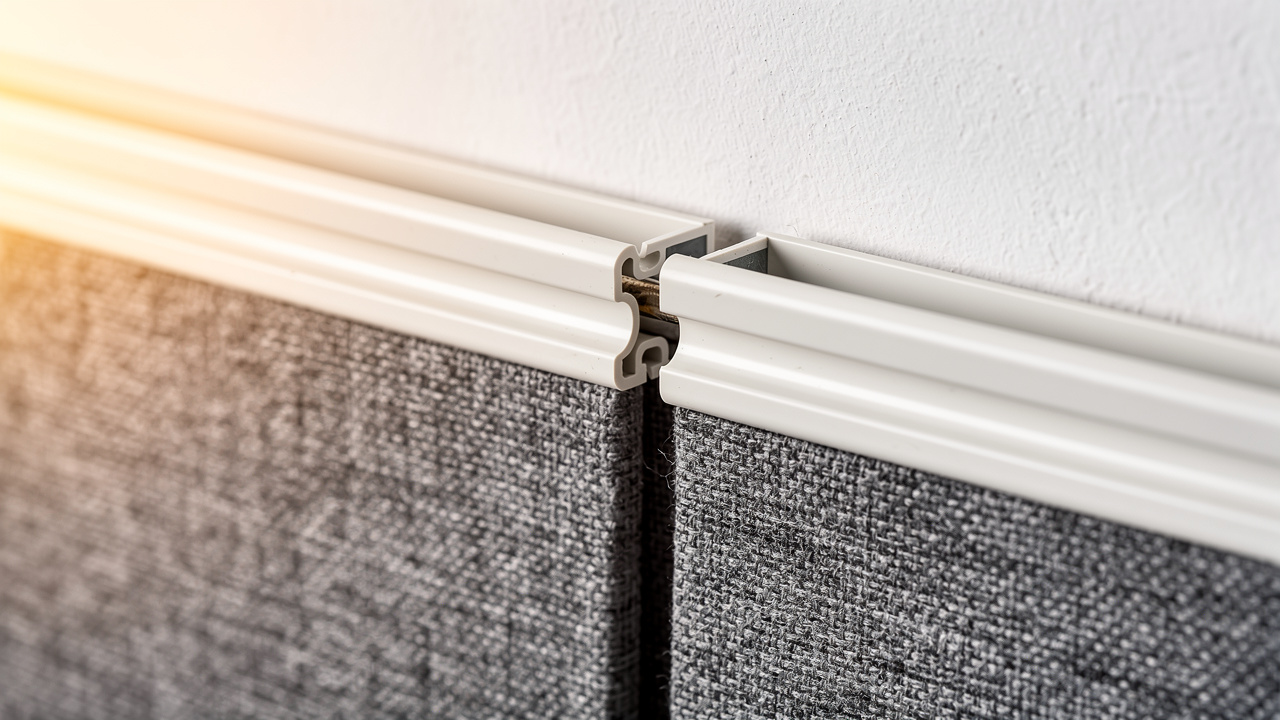
The best PVC profile tracks for UAE conditions balance fire safety, climate resistance, strength, and surface finish. In Gulf projects, these properties matter as much as profile shape because heat, sunlight, and local codes are demanding.
The key material properties to check are:
Fire performance. Fire performance is the top priority for hotels, schools, malls, and offices. UAE Civil Defense expects materials in escape routes and public zones to meet defined fire classes. Class B materials limit surface flame spread to a moderate range, often described as a flame‑spread index between 26 and 75 in systems such as those from the National Fire Protection Association. PVC tracks for commercial use should come with test reports that align with these expectations, as Analysis of the Strength and quality properties of welded PVC profiles demonstrates how material formulation directly determines fire and load performance in commercial-grade installations. DE Sound sources profile ranges with documented fire data so consultants and authorities can sign off with confidence.
Heat and UV resistance. Many Gulf interiors face large glass façades, roof lights, or periods without full air‑conditioning. Low‑grade PVC can yellow, turn brittle, or warp in such conditions. Higher‑quality extrusions use UV stabilizers and heat‑resistant additives that slow this damage. Durable finishes cut lifecycle environmental impact — a finding reinforced by studies on the environmental costs of PVC recycling, which show that longer-lasting, high-quality PVC products significantly reduce the overall carbon footprint of commercial building interiors — so long‑lasting tracks also support sustainability targets.
Wall thickness and load capacity. Wall thickness and load capacity decide whether tracks cope with heavy acoustic panels and frequent access. Commercial‑grade profiles for acoustic boards usually sit between 1.5 and 3.0 millimeters wall thickness. Thin trims might suit light vinyl coverings yet fail with dense PET or fiberglass panels, especially under ceiling loads. DE Sound helps teams match track section and thickness to specific panel weight and span so grids feel solid in use.
Thermal movement control. Thermal movement is another key detail for the Gulf climate. PVC length grows slightly as temperature rises. Long runs along exterior‑facing walls or large ceilings need 2 to 3 millimeter gaps between track lengths. Installers who ignore this often see bowing and joint stress after one hot summer. Correct expansion gaps, correct fastener spacing, and proven PVC formulations together keep commercial installations straight and safe over many years.
Tip: Leave 2–3 mm expansion gaps between PVC track lengths on long runs to reduce bowing and joint stress in high‑heat interiors.
Why DE Sound Is the Trusted Source for PVC Profile Tracks in the UAE and GCC
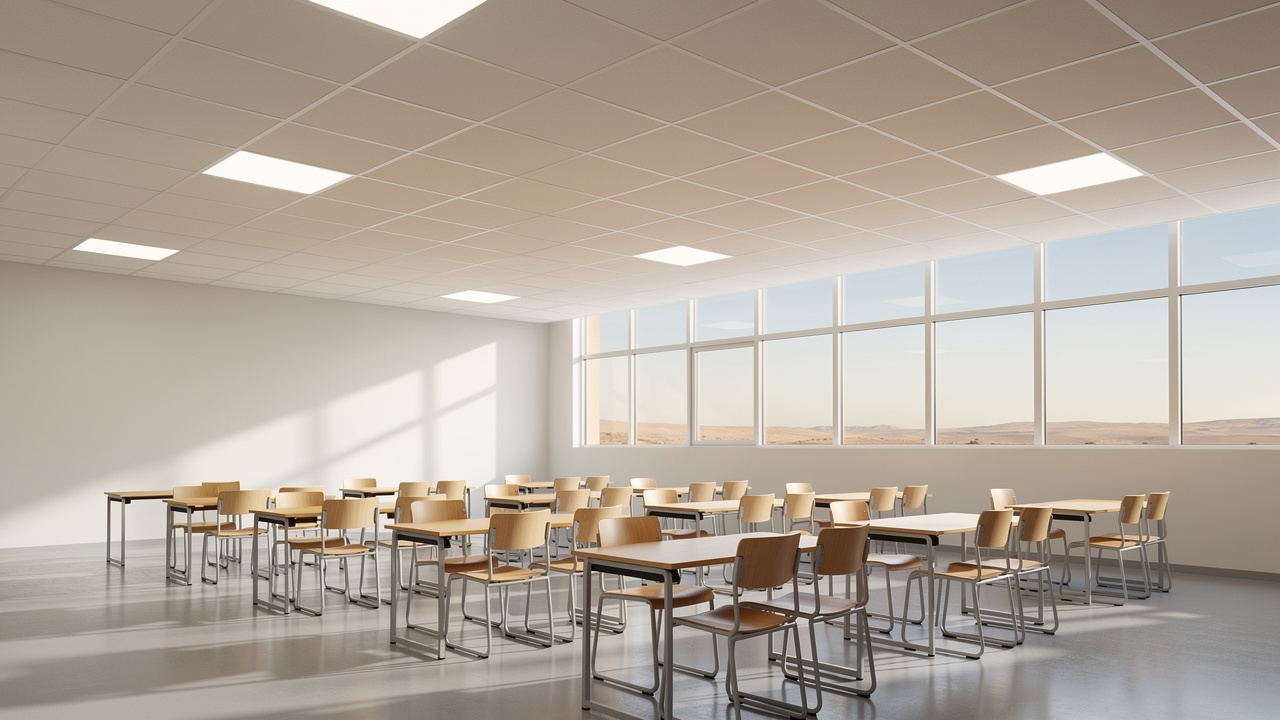
DE Sound is a trusted source for PVC profile tracks in the UAE and GCC because it combines factory‑direct pricing, regional stock, and acoustic expertise. The company focuses on the full system rather than selling isolated parts, which reduces risk for commercial project teams.
For large hotels, schools, offices, and mixed‑use towers, cost control matters. DE Sound works on a wholesale, factory‑direct model, so PVC profile tracks, PET acoustic panels, wood panels, and stretch systems reach sites at competitive rates. This helps contractors keep bids sharp without resorting to unknown low‑cost imports. The ability to quote panels and tracks together also shortens lead time during design and tender.
Technical support is another reason many interior designers and fit‑out contractors across Dubai, Abu Dhabi, Doha, and Kuwait City choose DE Sound. The team reviews drawings, panel schedules, and fire requirements, then suggests profile types, sizes, and finishes that suit both design intent and code demands. This advice covers every stage from schematic design to installation details, which helps avoid on‑site surprises.
“Thoughtful acoustic planning improves both comfort and communication in buildings.”
Regional logistics round out the offer. With stock positioned for fast delivery across all six GCC countries, DE Sound can support tight project programs and phased handovers. Facility managers for brands such as Emaar, Aldar, or regional hotel operators benefit from repeatability as they roll similar fit‑outs across many locations. Transparent pricing and clear documentation, including fire certificates and data sheets, make approval easier with consultants and local authorities. For teams who build many commercial spaces each year, this mix of price, speed, and technical depth turns DE Sound into a long‑term partner, not just a supplier.
The Right PVC Profile Track Makes or Breaks a Commercial Installation
The right PVC profile track choice makes or breaks a commercial acoustic or interior installation. Correct geometry, fire rating, and climate resistance protect visual quality, noise control, and long‑term maintenance budgets far more than many non‑specialists expect.
For commercial buildings across the UAE and GCC, the best PVC profile tracks match panel type, room function, and local fire rules. U and H profiles suit office and hotel acoustic walls, strong T‑bar grids carry ceiling tiles in busy spaces, and L‑angle or corner trims protect edges in corridors, clinics, and retail zones. Small details such as thermal gaps and wall thickness decide whether these systems still look tight after years of use, a point underscored by research into the environmental costs of long-term PVC system performance, which shows that quality material specification at installation directly reduces future replacement and maintenance burdens.
DE Sound brings these pieces together through certified products, factory‑direct pricing, and approachable technical support for designers, contractors, and facility managers. If a project calls for reliable acoustic walls or ceilings at scale, it makes sense to speak with DE Sound early, review drawings, and lock in a PVC profile track package that will stand up to Gulf conditions.
Frequently Asked Questions
Question: What is the difference between U‑channel and H‑profile PVC tracks in commercial acoustic installations?
U‑channel tracks grip a single panel edge on three sides, so installers use them at perimeters or at the start and end of runs. H‑profile tracks sit between two panels in the same plane and hold both edges at once, which keeps joints straight across large wall arrays. Together they create neat, modular acoustic walls in offices, hotels, and schools.
Question: Do PVC profile tracks need to meet fire safety standards for commercial buildings in the UAE?
Yes, PVC profile tracks for commercial interiors in the UAE should meet local fire safety requirements and hold a suitable classification. Many consultants look for at least a Class B type rating for profiles near escape routes and crowded spaces. Always request current test reports and approvals, and choose suppliers such as DE Sound who provide full documentation with deliveries.
Question: How do I calculate how many PVC profile tracks I need for a large commercial project?
To estimate quantities:
Measure the total linear meters of panel perimeter, including top, bottom, and sides.
Add lengths for internal joints, corners, and ceiling grids if needed.
Divide the total by the standard track length to find the base quantity.
Add a 10 to 15 percent allowance for cuts and offcuts.
DE Sound can support this with quantity take‑offs during its free consultation service.
Question: Can PVC profile tracks be used for curved walls in commercial interiors?
Yes, flexible PVC profile tracks are designed to follow curved walls, arches, and feature ceilings in hotels, malls, and corporate lobbies. These profiles bend to the required radius while still gripping acoustic panels or cladding securely. Designers often combine them with fabric or PET systems to create smooth, continuous curves without visible joints.
Question: What surface finish options are available for PVC profile tracks in high‑end commercial interiors?
PVC profile tracks typically come in matte white, satin white, black, and various wood‑grain or metallic‑look finishes. Some suppliers can match RAL colors so trims align with wall fabrics, ceilings, or joinery. DE Sound offers a range of finishes that suit boardrooms, hotel suites, lounges, and other premium spaces where visible details matter.