
Introduction
Noise passing between rooms, apartments, and offices is one of the biggest headaches in UAE buildings. It drives complaints, hurts privacy, and puts pressure on project teams.
A lot of standard insulation only soaks up echo while sound still slips through walls and slabs. That gap between expectation and reality creates frustrated clients and expensive rework.
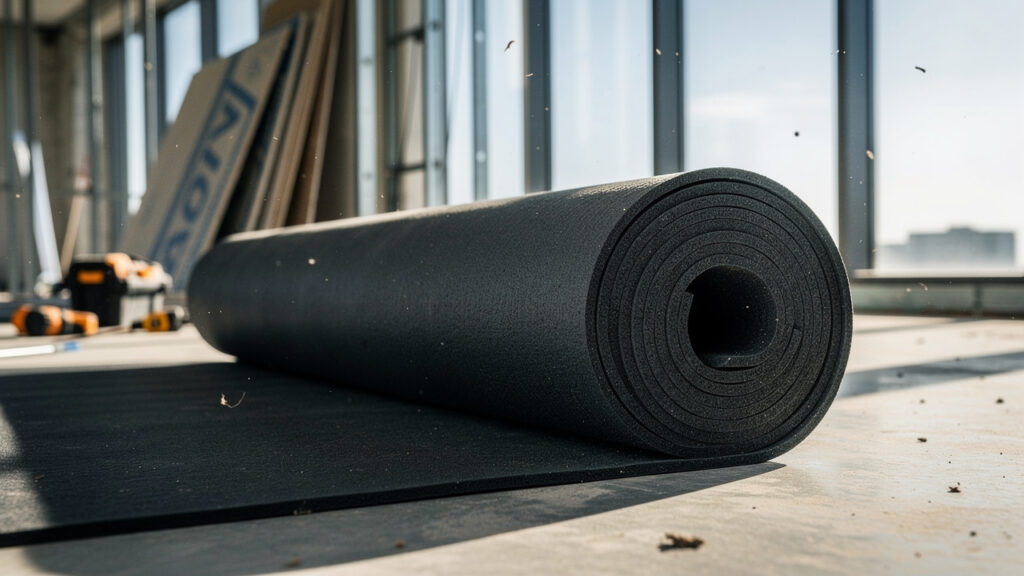
Mass Loaded Vinyl (MLV) is a dense, flexible sound barrier sheet that adds serious mass without bulky thickness. Because it follows the mass law of acoustics, it blocks airborne noise far better than foam or mineral wool on their own. This guide explains what MLV does, where it fits best in UAE projects, how to install it, and how DE Sound supports designers and contractors with certified products and technical advice.
Keep reading to see how this one material can solve many everyday noise problems across UAE buildings.
Key Takeaways
Before we go deeper, here are the main points this article covers in simple terms. These highlights show how Mass Loaded Vinyl fits real UAE projects, not just theory.
Mass Loaded Vinyl is a thin but very heavy sheet that blocks sound by adding mass to walls, floors, and ceilings. It works as a limp barrier, so it resists vibration instead of passing it through a rigid panel. That makes it very different from acoustic foam, which mainly reduces echo inside a room.
UAE cities such as Dubai and Abu Dhabi face heavy traffic, construction noise, and stacked apartment living. MLV suits these conditions because it delivers high Sound Transmission Class (STC) performance in very little depth, which matters wherever every centimeter of floor area counts.
The most common uses include party walls in high‑rise towers, hotel guestroom separations, corporate meeting rooms, school classrooms, and HVAC duct and pipe wraps. Each of these needs strong sound isolation without major changes to structure or layout, which is exactly where MLV helps.

Correct installation is just as important as product choice for Mass Loaded Vinyl. Overlaps, taping, decoupling, and sealing around outlets, doors, and floors all decide whether you reach the expected STC rating or lose many decibels through tiny gaps. DE Sound supports site teams so they set it up right the first time.
DE Sound supplies certified Mass Loaded Vinyl across the UAE and wider GCC with factory‑direct pricing and fast delivery. That wholesale model, plus practical guidance, gives architects, interior designers, and facility managers a simple way to hit acoustic targets without surprise costs.
What Is Mass Loaded Vinyl and Why Does It Work So Well?
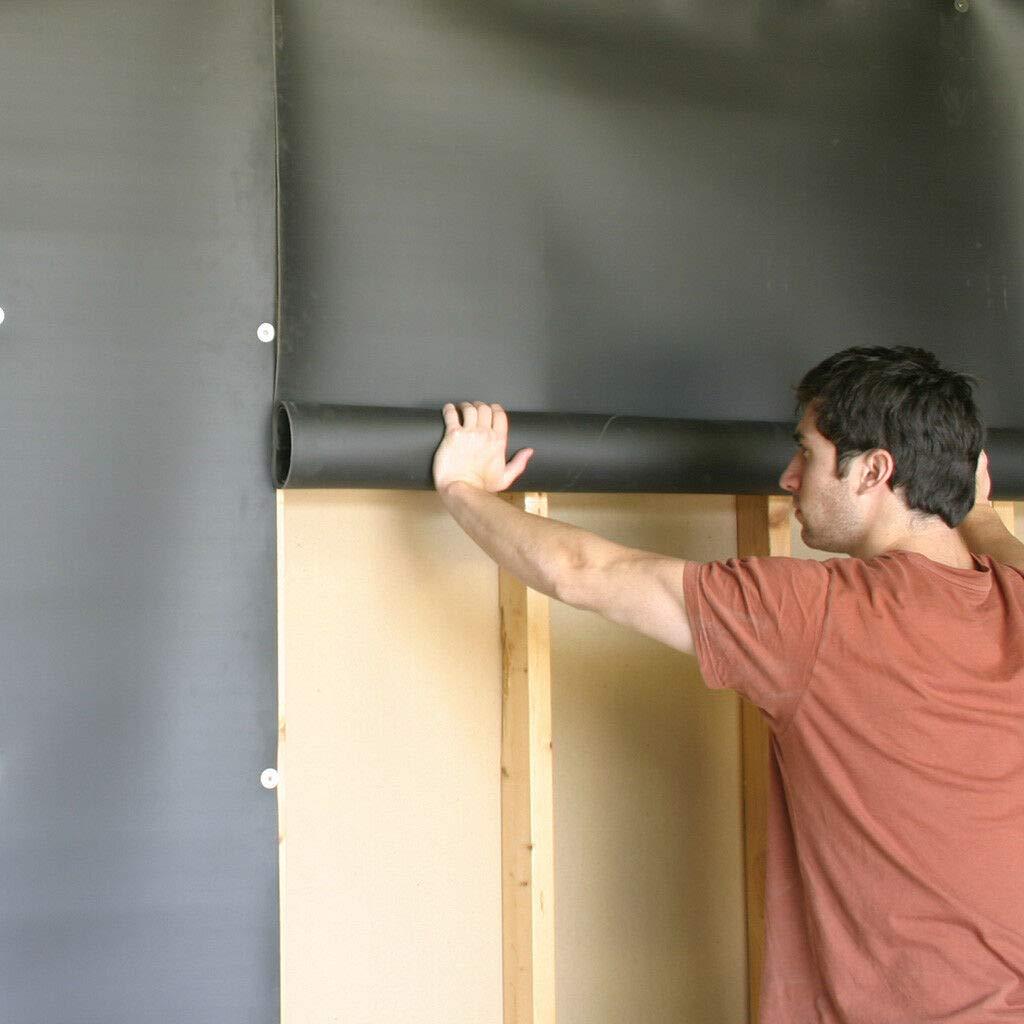
Mass Loaded Vinyl is a flexible, high‑density sheet that blocks sound by adding weight to a partition without much thickness. The vinyl base includes heavy mineral fillers such as barium sulfate or calcium carbonate, which create a limp, non‑rigid barrier that resists turning into a sounding board when sound hits it.
The performance of MLV follows the mass law of acoustics, which links surface weight to sound blocking. Research summarized by the Acoustical Society of America shows that doubling the mass of a wall can increase sound transmission loss by roughly 6 decibels, a principle explored in detail through the Measurement and Prediction of airborne sound insulation performance across different vertical partition wall types. In practice, a single layer of 1 pound per square foot (1 lb/ft²) MLV inside a wall can add around 25 to 27 STC points to that assembly when correctly installed.
Compared with typical acoustic foam, the role of MLV is very different. Foam and mineral wool absorb sound inside a room and control echo, which improves clarity but does little to stop noise from passing through a wall or floor. Mass Loaded Vinyl has a very low Noise Reduction Coefficient (NRC), usually under 0.15, which confirms that it reflects sound rather than absorbing it. Designers often place MLV inside the partition and then use acoustic panels on the room surface for echo control, a layered approach supported by research into the Acoustic Absorption Behavior of composite and recycled board materials used alongside barrier systems.
.
Where Is MLV Used in UAE Buildings?
Mass Loaded Vinyl fits many UAE building types because it offers strong sound blocking in tight spaces. Designers and contractors use it where concrete frames, light partitions, and high noise levels create constant complaints. The main sectors below match the daily work of interior designers, fit‑out teams, and facility managers across Dubai, Abu Dhabi, and the Northern Emirates.
Residential towers and villas. Luxury apartments and villas often rely on MLV inside party walls and under floating floors, with research into Multifunctional performance assessment of wall panel systems confirming the combined acoustic, thermal, and structural benefits this approach delivers in interior architecture. In stacked apartments, television noise, speech, and footsteps can pass easily between units. A thin MLV layer between double drywall sheets or under tile finishes increases STC and Impact Insulation Class (IIC) ratings without stealing room area, so residents enjoy better privacy and developers see fewer call‑backs.
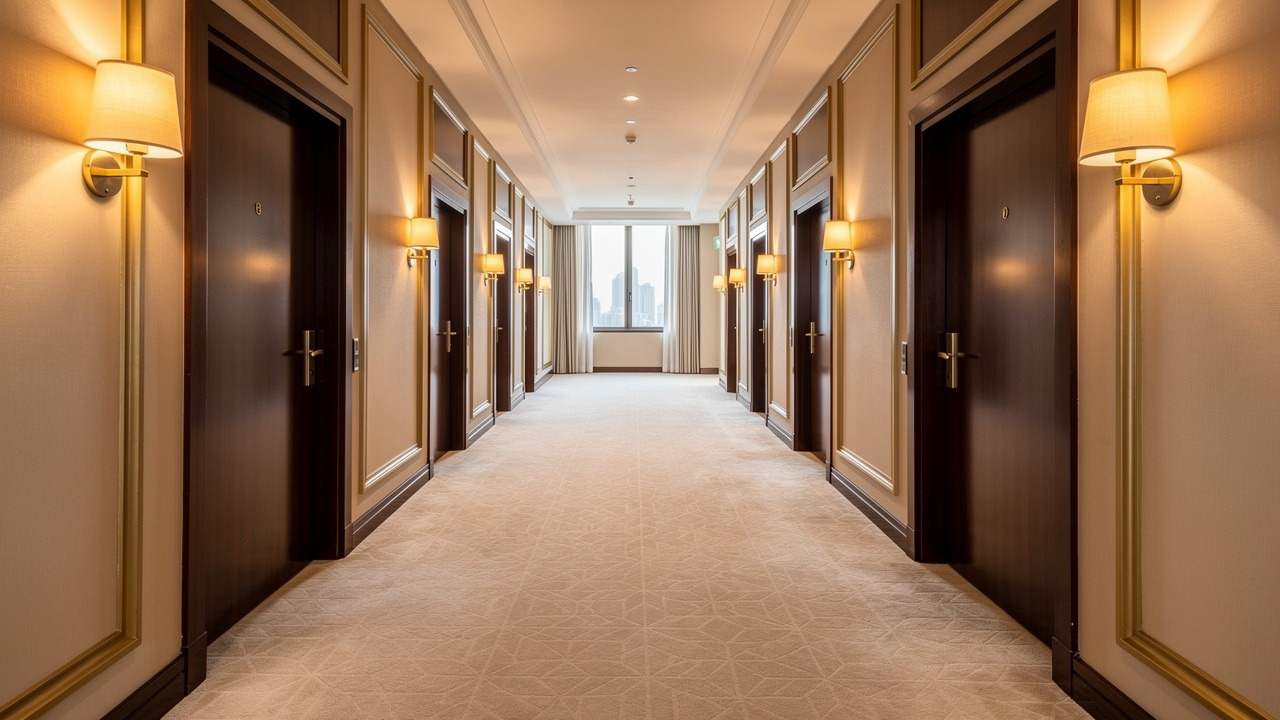
Hotels and resorts. Properties across Palm Jumeirah, Downtown Dubai, and Yas Island depend on quiet guestrooms for guest reviews and star ratings. Figures from Dubai Economy and Tourism show more than 140,000 hotel rooms in the emirate, so competition is intense. To reach the STC 50 and higher targets that international brands prefer, designers place MLV inside walls between rooms, behind headboards near service risers, and below corridor flooring to cut speech noise and trolley traffic.
Corporate offices. Offices in DIFC, Business Bay, and Abu Dhabi Global Market use MLV within demountable and stud walls to protect meeting room privacy. Studies from the Center for the Built Environment report that noise is the top complaint in open‑plan offices worldwide. A single MLV layer inside lightweight partitions allows landlords and tenants to upgrade acoustic privacy without switching to heavy block walls or thick glass.
Schools and universities. Education projects from Dubai Knowledge Park to Sharjah University City apply MLV in walls and above ceilings between classrooms, music rooms, and corridors. The ANSI classroom acoustic guideline, referenced by the Acoustical Society of America, recommends low background noise so students can hear teachers clearly. Mass Loaded Vinyl across the full height of partitions and across the ceiling plenum limits sound leaks from busy corridors and nearby mechanical rooms.
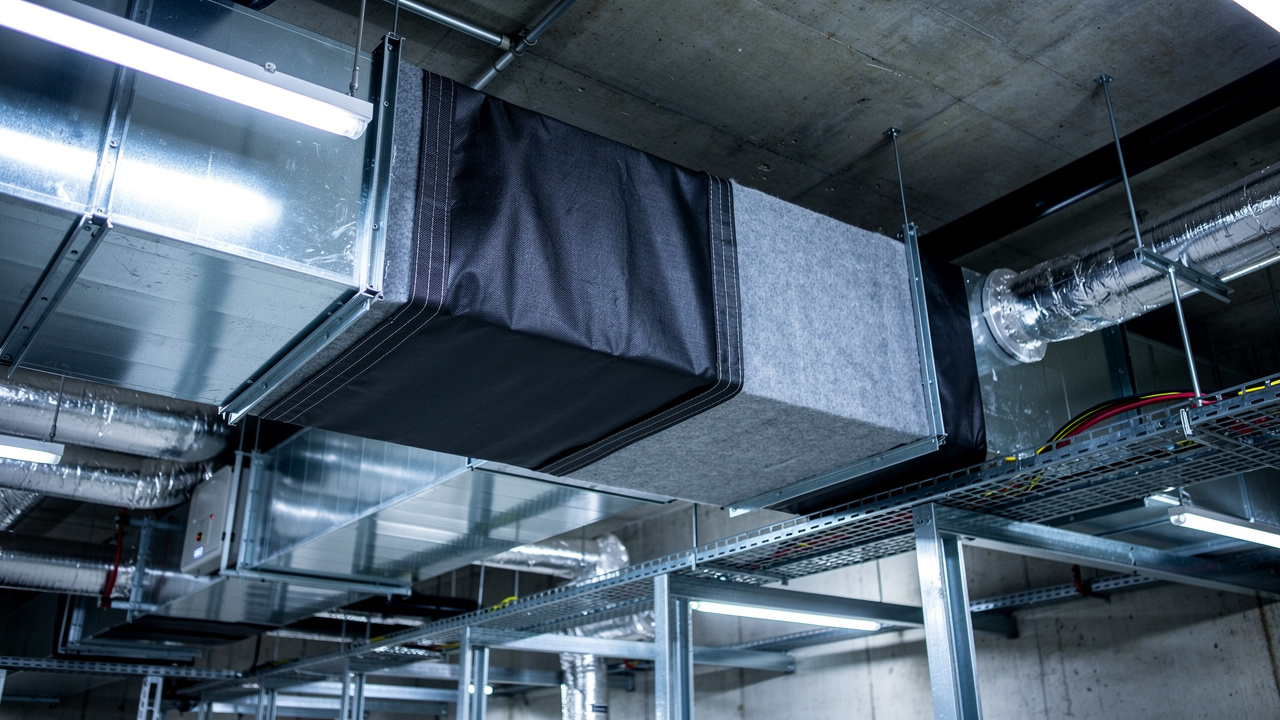
Mechanical rooms and service shafts. High‑rise towers across Abu Dhabi, Ras Al Khaimah, and Ajman use MLV wraps on ducts and plastic pipes. Chillers, pumps, and high‑velocity air create low‑frequency noise that travels along these elements into bedrooms and offices. Wrapping ducts with a combination of acoustic foam and MLV can cut radiated noise by 10–20 decibels, according to tests published by ASHRAE. This protects comfort without major redesign of plant layouts.
How to Install Mass Loaded Vinyl for Maximum Performance
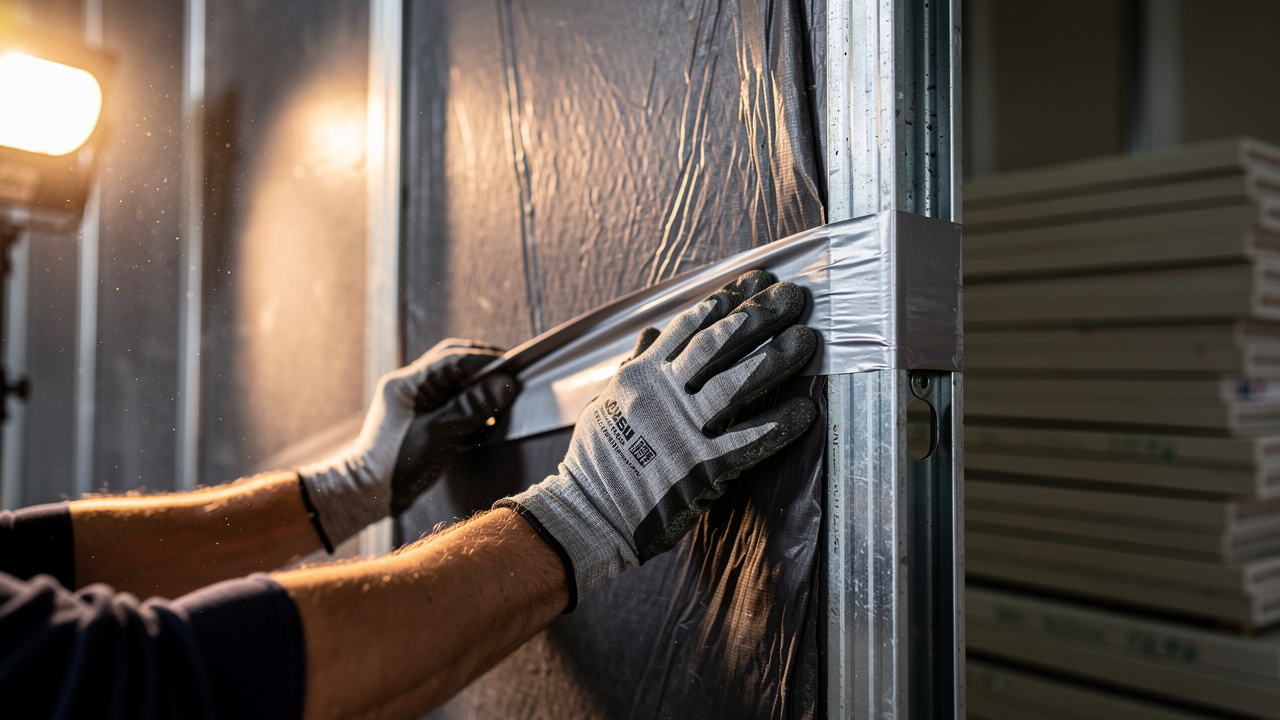
Mass Loaded Vinyl works best when installation follows a few strict rules. The same material can give excellent or disappointing results depending on details such as overlaps, fasteners, and sealing. For UAE fit‑out crews that may be new to MLV, a clear method saves both time and costly rework.
Research from the National Research Council Canada shows that small gaps in a partition can lower effective sound reduction by up to 10 decibels. That means even high‑grade MLV can fail if seams stay open or if it bridges between both faces of a wall.
“If air can pass through a detail, sound will too—treat every gap as a leak.”
— DE Sound Technical Team
The principles below help site teams protect the STC rating they paid for:
Overlap and seal every seam. Sheets should overlap by at least 50 millimeters on all joints, both vertical and horizontal. Installers then tape each overlap with acoustic tape that bonds well to vinyl, pressing it firmly to avoid bubbles. The goal is to create one continuous heavy membrane across the entire surface.
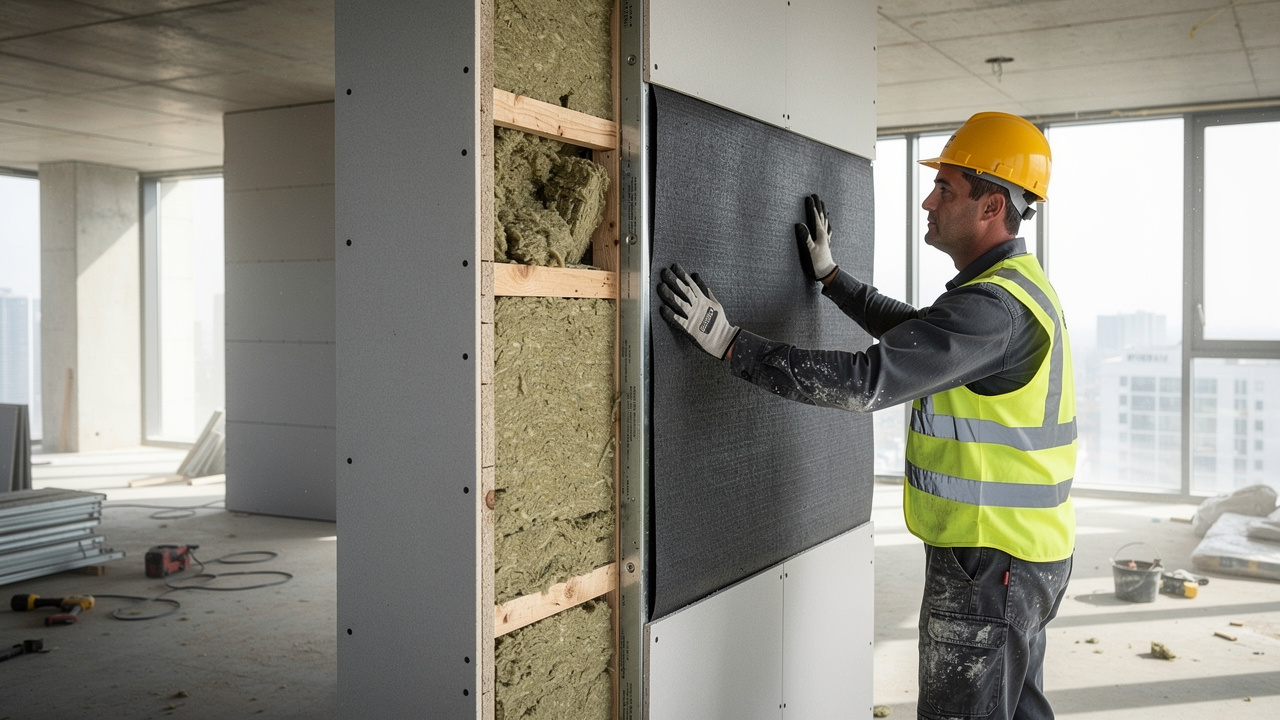
Fix MLV to one structural face only. On a stud wall, that usually means fastening it to the first layer of boards or directly to the studs, then adding the second board layer over it. Fasteners must have wide heads so they do not tear the sheet under load. Avoid screwing through MLV into both sides of the wall, since that turns the barrier into a rigid bridge.
Use staggered double layers for very high isolation. Studios or boardrooms in hubs like Dubai Media City and twofour54 often need extra privacy. Instead of one very heavy sheet, two standard layers with offset seams can give better results, a method aligned with the Soundbox-based sound insulation measurement methodology used to evaluate composite panel assemblies with viscoelastic damping layers. The extra interface between layers reduces transmission and lets designers tune performance within limited wall depth.
Seal all penetrations. Every box, conduit, and pipe entry through an MLV layer needs a tight cutout and a bead of non‑hardening acoustic mastic. Back‑to‑back outlets on each side of a party wall should be avoided or moved—an item that DE Sound often highlights in pre‑installation reviews.
Treat floors with MLV underlayment. Before tile, LVT, or timber finishes, crews roll MLV over the concrete slab, tape the seams, and run it slightly up the wall before skirting. Tiles then bed on top, sometimes over a thin acoustic foam layer. This setup raises Impact Insulation Class performance so upstairs footsteps bother neighbors less.
DE Sound supports these steps with shop drawings, roll layout advice, and on‑call guidance for contractors from Dubai to Muscat. That technical help often makes the difference between a paper design and a quiet finished space.
Why DE Sound Is the Right MLV Partner for Your UAE Project
Choosing the right Mass Loaded Vinyl supplier in the UAE affects cost, compliance, and schedule. DE Sound focuses on acoustic materials for the Gulf region, so the team understands both product performance and local authority requirements. That mix gives project teams confidence from design stage through final inspection.
Unlike general traders that sell many unrelated items, DE Sound centers its offer on tested acoustic materials. Mass Loaded Vinyl from DE Sound arrives with laboratory STC data, fire reports, and clear product data sheets. These support submissions to Dubai Municipality, Abu Dhabi Civil Defence, and other authorities that review hotel, school, and commercial projects. Having proper paperwork ready saves time for consultants and reduces approval delays.
Factory‑direct pricing gives another clear benefit, especially for large projects such as hotel chains and residential towers. By sourcing MLV directly from manufacturers, DE Sound keeps per‑square‑meter costs under control even for heavy grades or double‑layer systems. Procurement teams in groups like Emaar, Aldar, and Nakheel gain a predictable budget line instead of scattered purchases from several small vendors.
The table below shows how DE Sound compares with a typical non‑specialist importer that offers acoustic items as a side range.
| Factor | DE Sound | Generic Importer |
|---|---|---|
| Acoustic focus | Dedicated acoustic supplier with MLV and related materials | Mixed product catalog with limited acoustic depth |
| Documentation | Full acoustic and fire test reports ready for UAE authorities | Basic data sheet only, little test evidence |
| Support | Free consultation on weight, layout, and installation | Minimal advice beyond price and stock |
Beyond Mass Loaded Vinyl, DE Sound also supplies acoustic panels, underlays, and noise control membranes that work well together in one system. That one‑stop model means interior designers in Dubai Design District or consultants in Riyadh can place a single purchase order instead of coordinating several suppliers. Combined with fast GCC‑wide delivery, this reduces the risk of site delays while keeping acoustic quality high.
The Bottom Line
Mass Loaded Vinyl delivers a rare mix of high sound blocking, slim profile, and flexible installation that fits the way UAE buildings go together. It raises STC and OITC ratings in apartment towers, hotels, offices, and schools without the need for deep cavities or heavy blockwork. When combined with proper detailing and some absorptive finishes, it solves many everyday noise issues that frustrate occupants.
Conclusion

For developers, interior designers, and facility managers across the Gulf, Mass Loaded Vinyl is a practical path to quieter, more private spaces. With certified MLV, solid technical support, and factory‑direct pricing, DE Sound helps projects across Dubai, Abu Dhabi, Doha, and beyond hit their acoustic targets. Reach out to the DE Sound team for a quick review of your wall or floor build‑up, bulk pricing, and clear advice on the right product grade for your next project.
Frequently Asked Questions
Question: What is the best MLV weight to use for UAE apartment party walls?
The best MLV weight for most UAE apartment party walls is 1 pound per square foot (1 lb/ft²). That grade usually provides a strong jump in STC when combined with double drywall and mineral wool. Premium apartments, home studios, or units next to noisy roads may step up to 2 lb/ft² or a double‑layer setup, which DE Sound can size for each project.
Question: Is Mass Loaded Vinyl fire‑rated for use in UAE commercial buildings?
Yes. Commercial‑grade Mass Loaded Vinyl can meet fire standards for UAE commercial projects when it carries suitable ratings such as UL 94 V‑0 or ASTM E84 Class A. UAE Civil Defence and Dubai Municipality expect proper fire reports as part of submissions. DE Sound supplies MLV with full documentation so consultants and contractors can present clear evidence during approvals.
Question: Can MLV be used on HVAC ducts and pipes in UAE buildings?
Yes, Mass Loaded Vinyl works very well on ducts and pipes in UAE buildings. Installers wrap a foam decoupling layer around the duct or pipe, then add an outer jacket of MLV with taped seams. Tests referenced by ASHRAE show this type of lagging can cut radiated noise by 10–20 decibels, which is very helpful in high‑rise hotels and residential towers.
Question: How does MLV compare to acoustic drywall for UAE fit‑out projects?
Mass Loaded Vinyl with standard gypsum board often gives a better cost per STC point than specialty acoustic drywall panels. Acoustic drywall suits tight refurbishments where extra board layers are not possible but usually comes at a higher square‑meter price. For large shell‑and‑core or multi‑floor fit‑outs, DE Sound can quote bulk MLV that keeps performance high while staying within budget.