
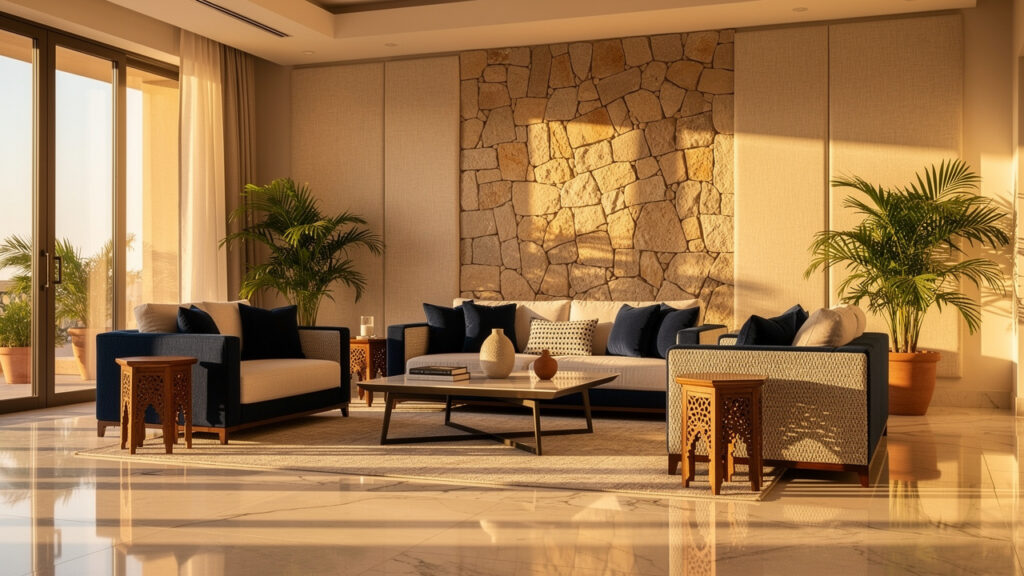
Noise leaking into Abu Dhabi villas turns quiet evenings into a constant background sound. Professional soundproofing services change those echoing rooms and thin walls into calmer, quieter spaces.
Professional villa soundproofing means a planned mix of acoustic materials for walls, floors, ceilings, doors, and windows. The goal is to block outside noise, limit room-to-room sound, and tune key spaces like home theaters and offices. This guide explains the main noise problems in Abu Dhabi villas, the best residential acoustic options, and how a structured process keeps results predictable.
Next, the sections below map villa noise issues to clear acoustic actions so designers, contractors, and owners can plan with confidence.
Key Takeaways
Before the detailed sections, this quick list highlights the most important ideas from the guide. It is helpful for busy interior designers, villa contractors, and facility teams in Abu Dhabi. Each point connects to a later section that explains the concept in simple, practical terms.
Villa sound control is now a core specification item beside finishes like marble and joinery in communities such as Saadiyat Island and Yas Island. Road expansion and new projects raise background noise near many plots. Buyers expect quiet interiors that match the level of other premium features.
Common villa noise issues include traffic rumble, neighbor activity, and footfall from upper floors. Mechanical noise from HVAC systems and pumps can also disturb bedrooms at night. Internal sound between media rooms, bedrooms, and offices often becomes a daily frustration.
Effective residential acoustic design uses several material types that each do a clear job. Mineral wool and mass-loaded vinyl add insulation inside walls and ceilings. PET, wood, and stretch fabric panels control echo inside rooms without spoiling the interior design.
Choosing a soundproofing partner with real acoustic knowledge matters far more than picking a single product. The right team identifies whether the main problem is external noise, impact noise, or room echo. That diagnosis guides which assemblies, thicknesses, and finishes actually make a difference.
DE Sound gives Abu Dhabi villa projects access to wholesale acoustic materials with factory-direct pricing. Designers and contractors can cover multiple rooms and surfaces without losing control of the budget. Free expert consultation helps match each product to the specific villa layout and aesthetic.
Why Do Abu Dhabi Villas Need Professional Soundproofing Services?
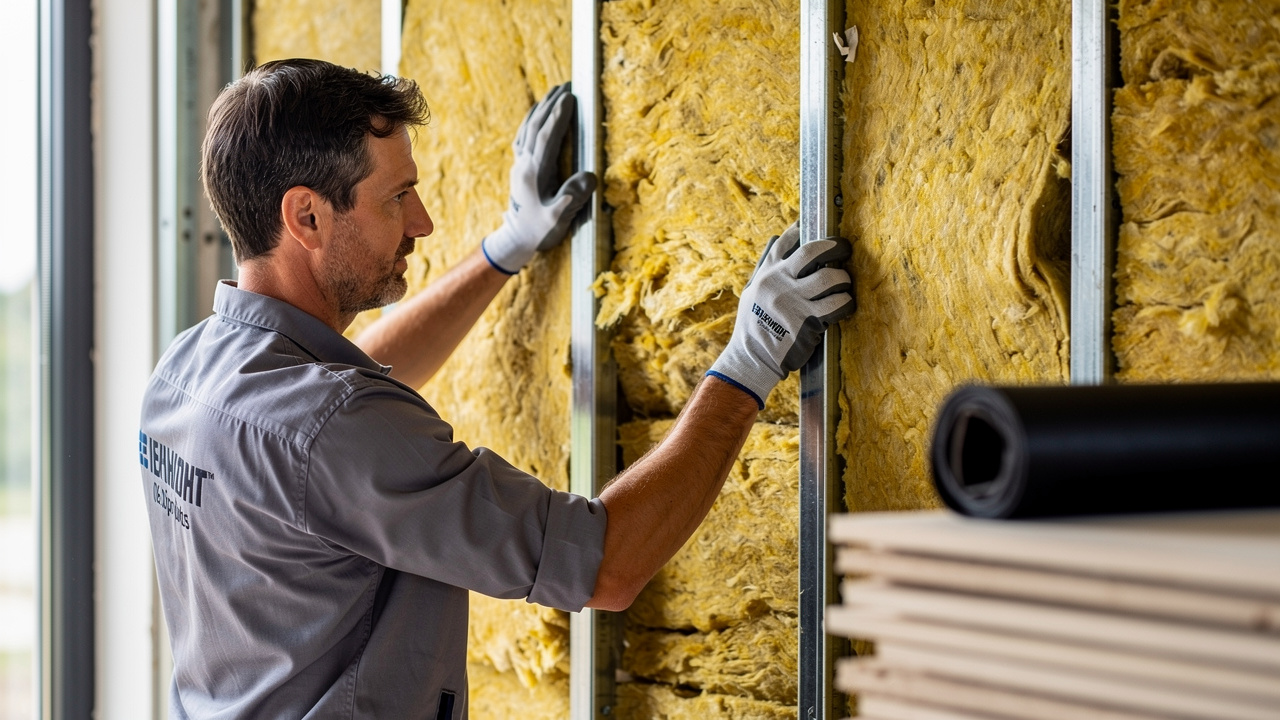
Abu Dhabi villas need professional soundproofing services because city growth and modern home habits create constant noise pressure. Residential neighborhoods sit close to highways, schools, and new projects, so daytime and evening sound rarely fully fade. Without planned acoustic control, even high-spec villas can feel busy and restless inside.
According to the World Health Organization, long-term exposure to road traffic noise above about 53 dB Lden links to higher rates of annoyance and heart disease World Health Organization. In fast-growing districts such as Khalifa City and Al Raha Beach, similar noise levels often reach villa boundaries. Basic double glazing helps, yet sound still moves through walls, roofs, and small gaps around services.
Lifestyle shifts add another layer. More residents use spare rooms as home offices, gaming spaces, or podcast studios. Loud sound systems in Majlis rooms and home cinemas in areas like Yas Island can easily disturb bedrooms one floor up. Simple upgrades such as thicker curtains do not solve these deeper transmission paths.
Common complaints from villa residents across Abu Dhabi include patterns like these:
Constant road or aircraft noise makes it hard to relax in living rooms and terraces. Even when windows stay closed, low-frequency rumble can travel through concrete slabs. Over time, that background sound wears down concentration and comfort.
Early-morning construction or evening neighbor events disturb sleep, especially in front-facing bedrooms. Sound from outdoor gatherings and garden speakers often reaches nearby villas. Thin partitions or hollow-core doors inside the villa let that noise spread further.
Footsteps, moving chairs, and kids playing upstairs echo strongly in ground-floor ceilings, a transmission path well documented in Measurement and Prediction of airborne sound insulation performance across different vertical partition and floor assemblies. Hard finishes such as marble and porcelain tile in areas like Al Reef amplify these impacts. Without acoustic underlay or resilient ceiling systems, every impact travels through the structure.
Mechanical systems such as AC units, pumps, and exhaust fans create a steady hum. When equipment sits close to bedrooms or home offices, this vibration becomes very noticeable. Poorly isolated ductwork and plant rooms often pass that noise deep into the villa.
According to the U.S. Environmental Protection Agency, extended exposure to sounds above 70 dB can damage hearing over time U.S. Environmental Protection Agency. Even if villa interiors rarely reach that level for long periods, reducing daily noise peaks clearly protects comfort and health.
Resident Tip: “If you notice yourself raising your voice during normal conversation at home, it’s a sign your background noise is too high and soundproofing could really help.”
What Are the Most Effective Soundproofing Methods for Villas?
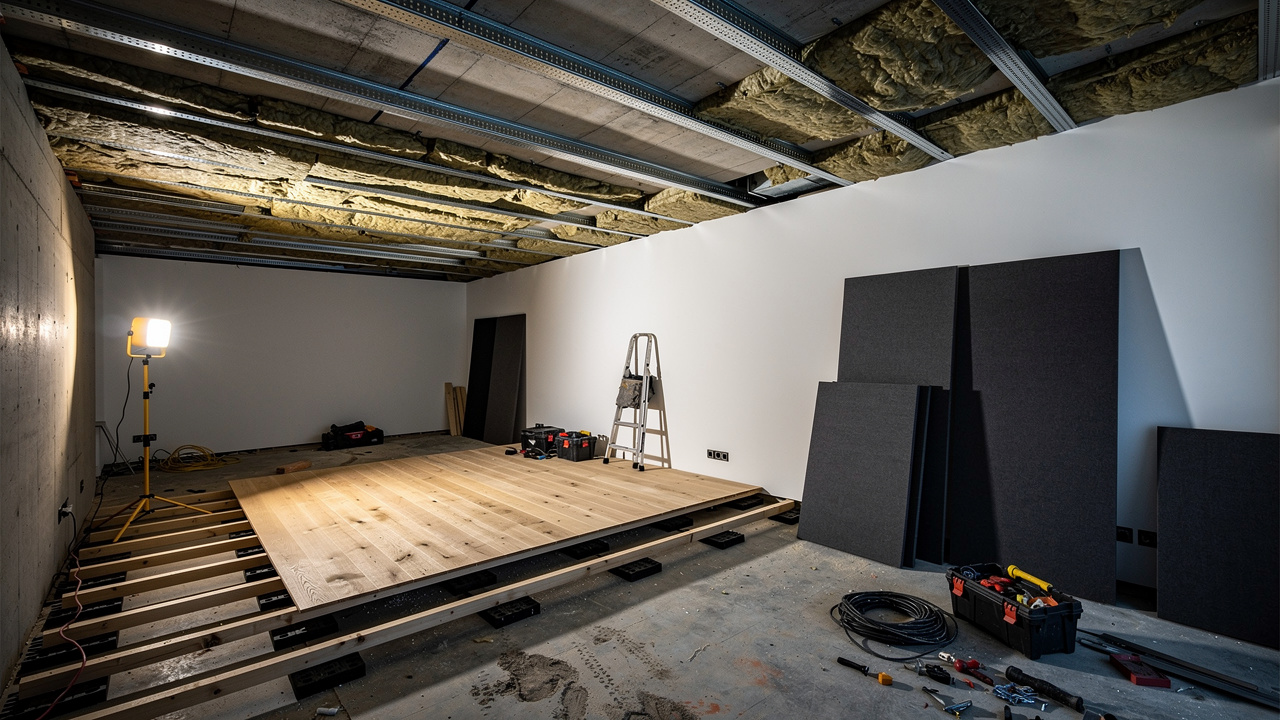
The most effective soundproofing methods for villas treat each surface with an approach suited to its noise path. Walls, floors, ceilings, doors, and windows all need slightly different assemblies. When these elements work together, villa interiors feel calm even in lively Abu Dhabi districts.
For walls, the key is to add both mass and absorption:
Stud partitions filled with mineral wool and finished with double layers of gypsum board greatly outperform simple single-layer walls.
In retrofit situations, thin mass-loaded vinyl sheets behind new gypsum can raise sound insulation without taking much floor space.
Decorative PET or wood acoustic panels then control echo inside the room while blending with the interior scheme.
Ceilings need special care in villas that share floors between bedrooms and busy living areas:
Resilient channels and isolation clips break the rigid link between the ceiling lining and the slab above. This small separation cuts the amount of impact noise that reaches the room below.
In some cases, acoustic ceiling tiles offer a lighter option that mainly reduces echo, useful for large family rooms and open-plan living areas.
Floors are often the biggest source of annoyance in hard-finished villas:
Acoustic underlay placed under marble, tile, or timber reduces footfall noise that passes into lower rooms.
For media rooms and small studios, floating floor systems on rubber pads or similar supports give extra isolation.
The U.S. Environmental Protection Agency notes that sound levels above 70 dB, which cinema-style systems can easily reach, increase long-term hearing risk U.S. Environmental Protection Agency, so isolating these rooms protects the rest of the home.
Doors and windows are usually the weakest points in a villa shell:
Replacing hollow-core doors with solid ones, then adding perimeter seals and drop-down thresholds, can dramatically reduce sound leaks between rooms.
For facades facing busy roads, secondary glazing inside existing frames or acoustic laminated glass helps control traffic noise.
Small details like acoustic sealant around frames and services are just as important as the main glass area.
The table below links common villa noise types to practical sound control approaches.
| Noise Type | Recommended Approach | Typical Villa Area |
|---|---|---|
| Traffic and outside noise | Secondary glazing, denser walls with mineral wool and mass-loaded vinyl | Street-facing bedrooms and living rooms |
| Impact from footsteps | Acoustic underlay, floating floors, resilient ceiling channels | Between upper bedrooms and ground floor |
| Room echo and harsh sound | PET or wood acoustic wall and ceiling panels | Majlis, living rooms, home theaters |
| Room-to-room speech | Solid doors with seals, insulated partitions | Bedrooms, home offices, playrooms |
Guidance from the National Research Council Canada describes how suitable combinations of insulation, mass, and decoupling can increase sound transmission ratings of partitions by several points National Research Council Canada. That kind of measured improvement is what turns a noisy villa layout into a comfortable home environment.
Acoustic Design Tip: “Think surface by surface: treat at least two sides of any problem room – for example, a wall and the ceiling – to get a clearly noticeable improvement.”
How Does the Soundproofing Process Work for a Villa Project?
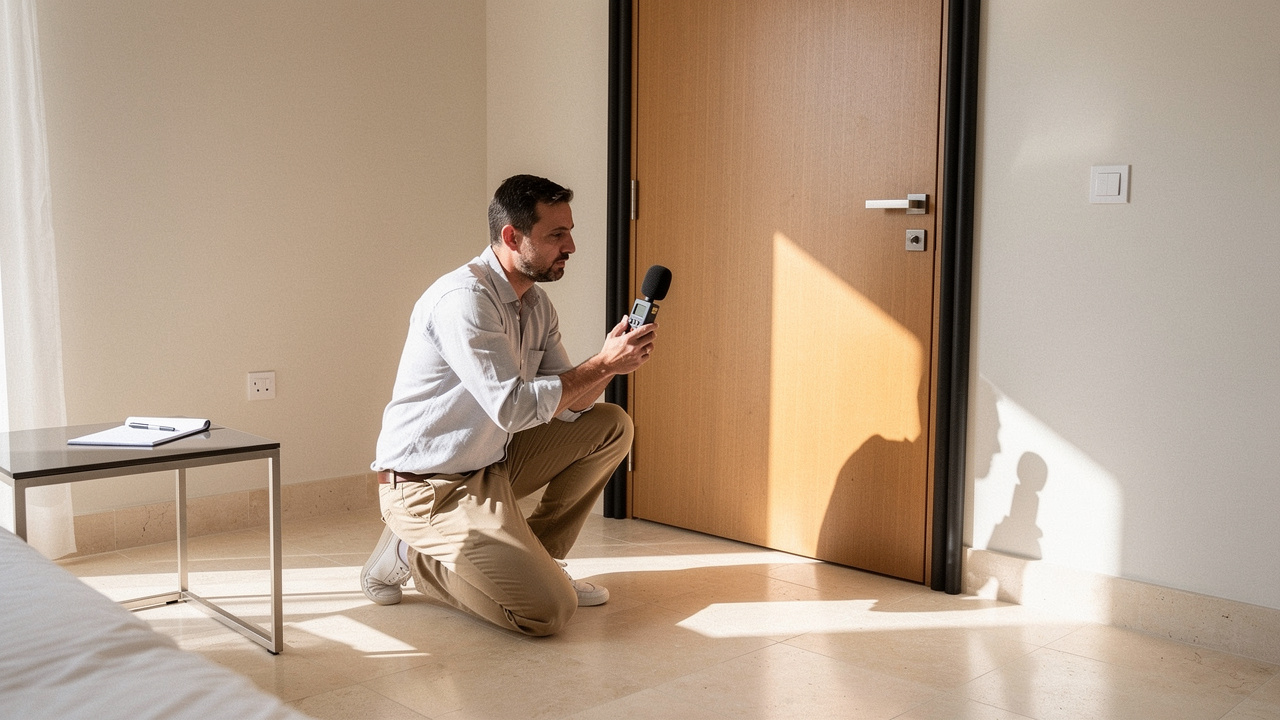
The soundproofing process for a villa project follows a clear sequence so results match expectations. Each step builds on the previous one, from diagnosis to installation quality checks. Skipping stages often leads to expensive work that still leaves noise problems.
Site Assessment
The first step is a focused site assessment. An acoustic specialist listens to resident feedback, walks through the villa, and notes where noise feels strongest. They identify main sources such as nearby roads, rooftop equipment, or specific rooms like a media space or maid room. Construction details like wall types, slab thickness, and window quality also go into the assessment.
Written Specification
Next comes a written specification that ties products to villa zones. This document lists which walls, ceilings, and floors need upgrades, along with the required thicknesses and finishes. It also highlights priority rooms such as bedrooms, home offices, and nurseries, where even small improvements can strongly help sleep and focus. DE Sound supports this stage with free expert consultation so designers and contractors choose materials that match both acoustic goals and visual style.
Installation By Trained Crews
Then trained installers carry out the planned work. They cut and fit mineral wool so it fills cavities without gaps, mount resilient channels at correct spacing, and fix boards with the right fasteners. Careful sealing around outlets, pipes, and frames stops sound paths that would otherwise bypass the new acoustic layers. Poor installation in just a few spots can undo much of the planned improvement.
Quality Check And Fine-Tuning
Finally, a basic quality check confirms that the villa behaves as intended. This may be as simple as repeat listening tests with residents in key rooms, or more formal measurements for large projects. The National Sleep Foundation suggests bedroom noise should stay around 30 to 35 dB for restful sleep National Sleep Foundation. While not every villa reaches that level, structured testing helps move conditions steadily toward that target instead of guessing.
On-Site Tip: “Record short ‘before and after’ videos with sound in the same room and at the same time of day. It gives owners a simple way to hear the difference the acoustic work has made.”
Why Choose DE Sound for Villa Soundproofing Materials in Abu Dhabi?
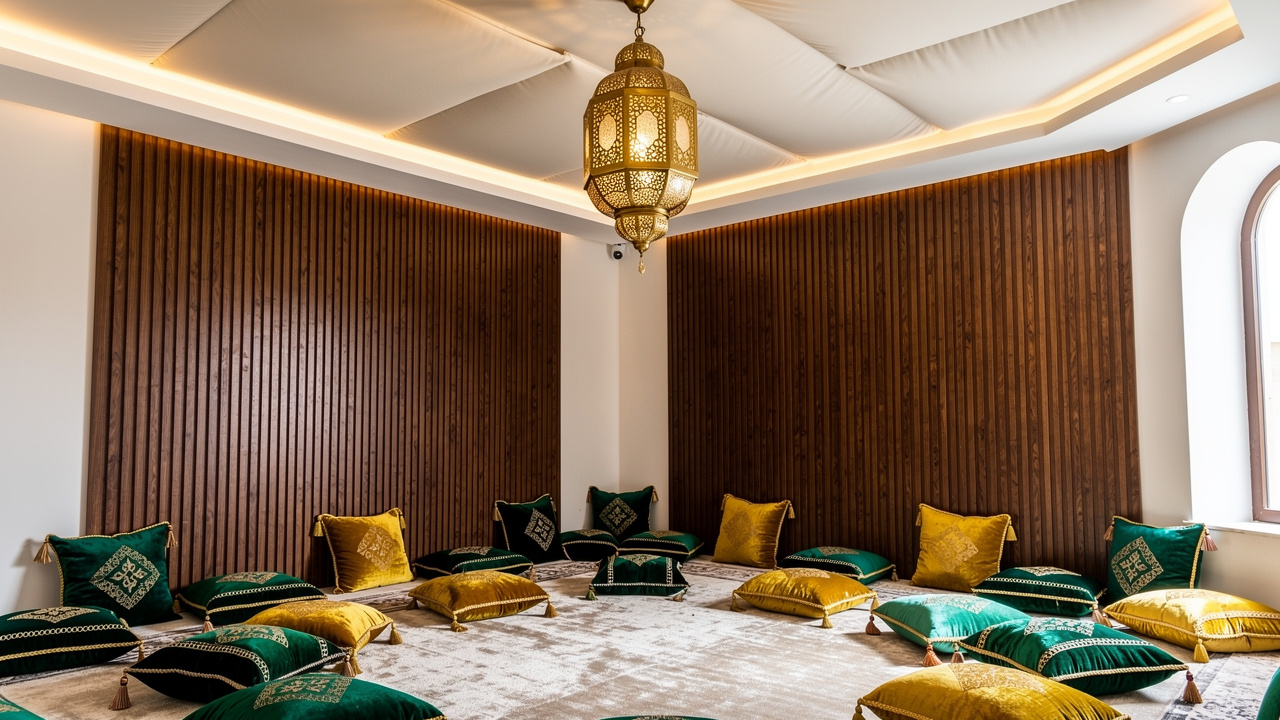
Choosing DE Sound for villa soundproofing materials in Abu Dhabi means combining acoustic performance with supply reliability. The company focuses on trade clients across the UAE and GCC, so its systems and stock levels align with regional project needs. That focus directly supports villa designers, contractors, and owners.
DE Sound sources acoustic materials on a factory-direct basis, which keeps pricing competitive on multi-room villa packages. Contractors fitting out entire compounds in areas such as Al Reef or Al Raha Gardens can order panels, insulation, and barriers from one supplier instead of juggling several importers. This reduces coordination effort and helps projects finish on schedule. Fast delivery across Abu Dhabi and the wider Gulf means materials reach site when crews are ready, not weeks later.
Equally important, DE Sound maintains a wide catalog of residential-friendly acoustic products:
PET acoustic panels suit modern interiors and add a soft visual texture to living rooms and bedrooms.
Wood acoustic panels match more classic Majlis designs or premium home theaters.
Stretch fabric systems allow designers to hide powerful acoustic treatments behind clean, seamless surfaces, which works well in luxury villas on Saadiyat Island and similar districts.
All DE Sound products come with testing data and relevant certifications, which supports compliance with UAE fire and building requirements, in line with the quality benchmarks studied in Green-Certified Healthcare Facilities from a global perspective, where certified acoustic performance is a key compliance metric. Transparent pricing helps both contractors and villa owners understand exactly what each package includes. When questions arise on site, DE Sound’s technical team can advise on installation details, such as correct panel spacing or sealant choices, to protect the expected acoustic performance.
Research compiled by the World Green Building Council links better indoor environmental quality, including acoustics, with productivity gains of up to 11 percent in workplaces World Green Building Council. Many Abu Dhabi villa residents now work from home offices, so similar benefits apply in residential settings. With DE Sound guiding material choices, villa projects can support both quiet relaxation and focused remote work without constant noise distractions.
Designer Insight: “Treat acoustics like any other finish. When you specify it early, you get better results, cleaner details, and fewer compromises on the interior look.”
Frequently Asked Questions
Villa soundproofing raises many practical questions for designers, contractors, and owners. Clear answers help set realistic expectations and avoid costly guesswork. The points below address the queries that come up most often in Abu Dhabi villa projects.
Question: How much do soundproofing services for a villa in Abu Dhabi typically cost?
The cost of soundproofing services for a villa in Abu Dhabi varies widely. Main factors include:
Villa size and layout
Number of rooms treated
Surface types (walls, floors, ceilings, doors, windows)
Chosen material performance levels and finishes
Factory-direct suppliers like DE Sound lower material costs on multi-room packages. The best approach is to request a site review and an itemized, transparent proposal before work begins.
Question: Which rooms in a villa benefit most from soundproofing?
Bedrooms, home theaters, and home offices usually benefit the most from soundproofing:
Bedrooms need low noise levels for sleep and privacy, especially near roads or shared walls.
Home theaters require isolation so loud scenes do not disturb the rest of the villa.
Home offices need speech privacy and low background noise for calls and focused work.
Some projects also prioritize nurseries, guest rooms, and Majlis areas when they sit close to noisy streets or shared boundaries.
Question: Can soundproofing be added to an existing villa without major renovation?
Yes, many soundproofing upgrades fit into existing villas with limited demolition. Options include:
Acoustic wall panels mounted over existing finishes
Mass-loaded vinyl over existing walls before adding new gypsum board
Acoustic underlay added during flooring changes
Stronger door seals and upgraded solid doors
Secondary glazing installed inside current window frames
A short site consultation helps choose the simplest retrofit that offers clear benefit.
Question: What is the difference between soundproofing and acoustic treatment?
Soundproofing focuses on stopping sound from traveling between spaces, using heavier walls, floors, and ceilings. Acoustic treatment improves how sound behaves inside a room by reducing echo and balancing reflections. Most Abu Dhabi villas need both approaches at different levels, especially when they include media rooms, open-plan living areas, and quiet bedrooms.
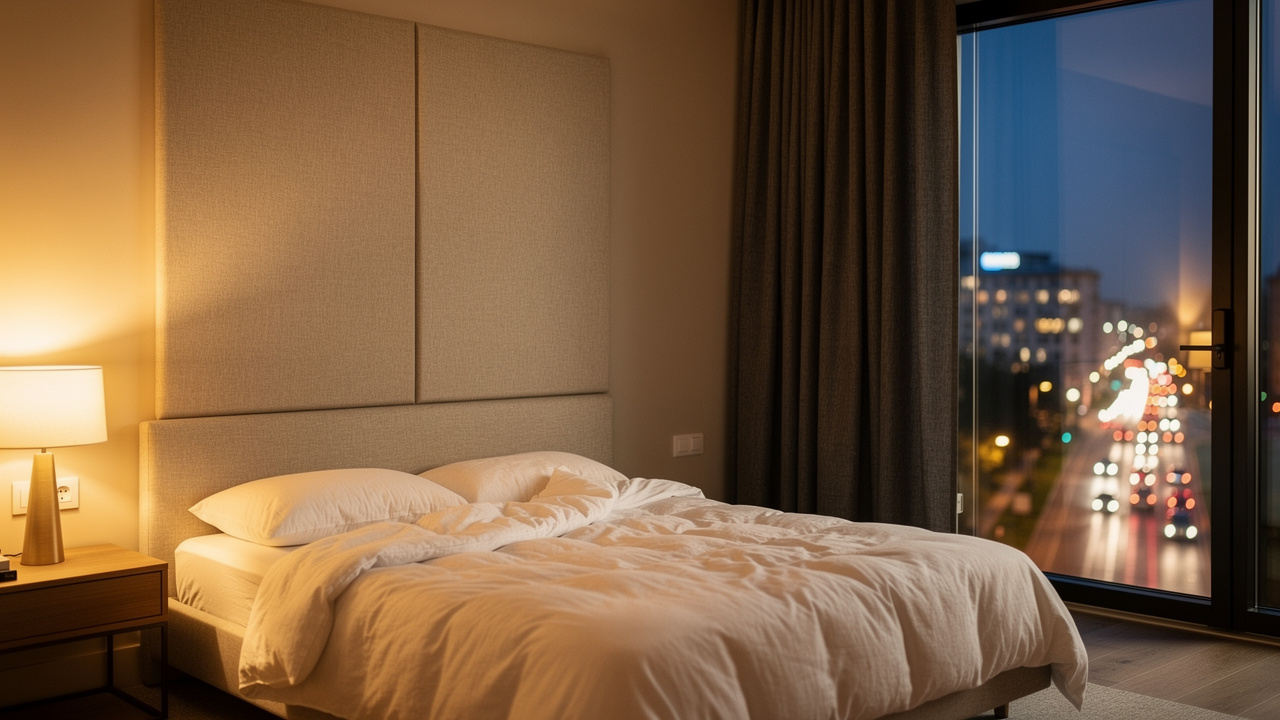
Turn Your Villa Into a Quiet Sanctuary With the Right Acoustic Partner
Conclusion
Turning an Abu Dhabi villa into a quiet sanctuary means treating walls, floors, ceilings, doors, and windows as one linked acoustic system. External traffic, construction activity, and internal room-to-room noise all need targeted control. The earlier these needs appear in design or renovation plans, the easier it becomes to reach a calm result.
Effective villa soundproofing services combine the right materials with a clear process and careful installation. Mineral wool, mass-loaded vinyl, acoustic underlays, and high-performance doors handle sound transfer through the structure, with the technical principles behind these assemblies detailed in research on Measurement and Prediction of airborne sound insulation performance across different wall and partition configurations. PET, wood, and stretch fabric panels then fine-tune how rooms actually feel and sound in daily life.
Choosing a partner like DE Sound gives Abu Dhabi projects tested materials, factory-direct pricing, and practical support from specification to delivery. That combination helps designers, contractors, and villa owners stay on budget while still hitting realistic acoustic targets. With the right guidance, even busy neighborhoods can support villas that feel quiet, private, and ready for modern living.