
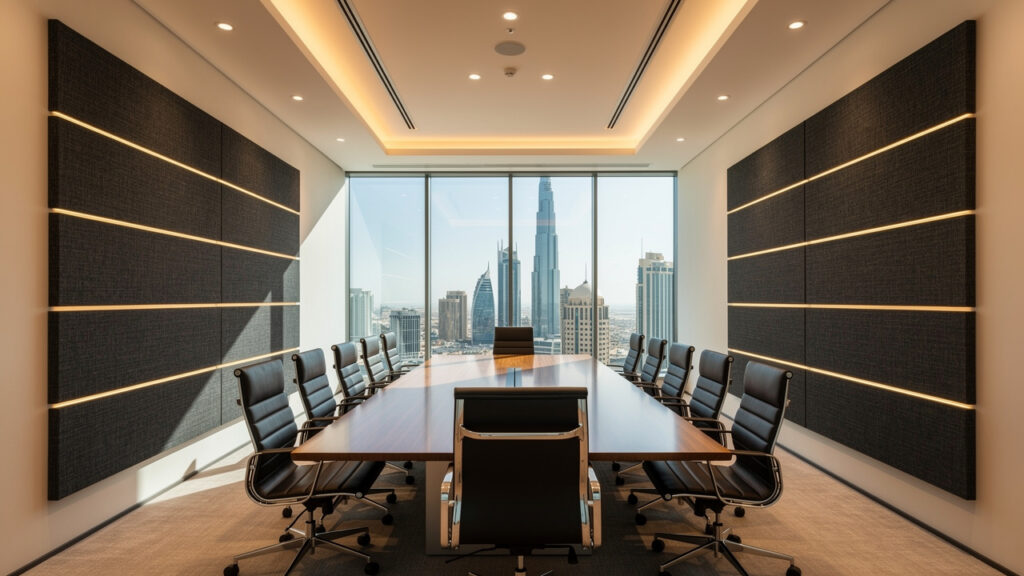
Acoustic panel installation in Dubai now sits at the center of design work. Glass towers, marble lobbies, and concrete ceilings look good but sound harsh. Echo, noise, and poor speech clarity drain focus and comfort across the city.
The issue grows when one space does several jobs in a day: a boardroom doubles as a video studio, a classroom turns into an event room. Without proper acoustic treatment, every meeting or lesson feels harder than it should.
Acoustic panels absorb reflections inside a room so voices sound clear, music feels tight, and background noise drops. This guide explains what acoustic panels are, which types suit Dubai projects, how a professional installation plan works, where DE Sound fits as a wholesale partner, and which mistakes to avoid in UAE projects.
Key Takeaways
Dubai projects mostly use five key acoustic panel families, each suited to a clear room type. Matching room and panel saves money and avoids weak results.
Good acoustic panel installation starts with room assessment and coverage planning. Simple math and smart layout often fix echo faster than adding more panels.
DE Sound supplies tested, fire-rated panels at factory-level prices. Fast GCC delivery, free consultation, and technical support help teams avoid common on-site errors.
What Are Acoustic Panels And Why Does Dubai Need Them?
Acoustic panels are dense, sound-absorbing units that control echo and reverberation inside a room. They do not block sound between rooms; instead, they soak up reflections so speech and music stay clean.
Soundproofing stops noise from leaving or entering a room, while acoustic panels manage how sound behaves inside that room. Both help with noise but solve different problems. Confusing the two often leads to projects that still feel noisy even after extra wall layers.
Dubai’s building style uses hard, reflective finishes almost everywhere. Polished stone floors, glass partitions, gypsum ceilings, and bare concrete all bounce sound. Open-plan offices, hotel lobbies, busy restaurants, and school corridors become become loud very fast.
Research from the British Council for Offices shows that noise ranks as the number one complaint in open-plan offices. That pattern matches what many teams feel in Dubai business districts. Acoustic panel installation adds a soft, technical layer that absorbs stray sound while still matching the interior design.
“Hard surfaces look impressive, but they also turn every conversation into background noise.” — DE Sound acoustic consultant
DE Sound serves this need across the UAE and wider GCC. By supplying panels that are tested, fire-rated, and sized for real projects, the company helps designers, fit-out contractors, and facility managers reduce echo without guesswork.
Which Types Of Acoustic Panels Are Best For Your Installation?
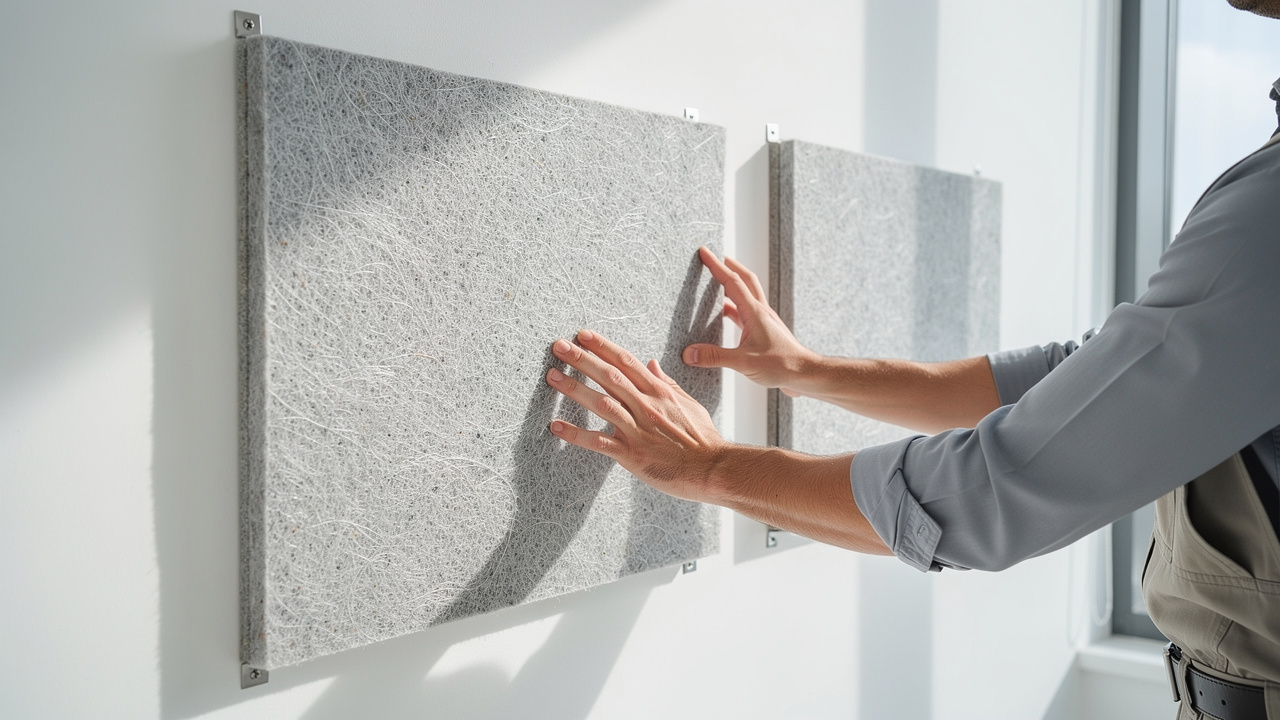
Choosing the right panel type for a Dubai project means matching acoustic performance, fire rating, and look. The main families used in the UAE are PET fiber panels, perforated wood panels, stretch fabric systems, foam panels, and corner bass traps.
PET panels use compressed polyester fiber and suit schools, studios, co-working spaces, and offices that want bright colors with low emissions. Many reach mid to high Noise Reduction Coefficient (NRC) scores and control speech frequencies very well. DE Sound supplies PET panels that support green goals for LEED and Estidama projects.
Perforated wood panels use MDF or plywood with drilled holes in front of an absorption layer. They work best in hotels, restaurants, theatres, and mosques that need warm, natural finishes. When correctly backed with mineral wool or PET batts, these panels handle mid-bass build-up and keep rooms lively but controlled, as demonstrated in the acoustic performance optimization of natural-fiber micro-perforated panels in recent research. Designers often pick them for ballrooms and conference halls across the UAE.
Stretch fabric systems cover a whole wall with a fabric skin over hidden acoustic infill. Boardrooms, premium offices, cinemas, and high-end villas use this approach. It hides joints, allows access to services behind, and reaches very high absorption levels across speech bands. DE Sound provides stretch fabric tracks plus infill options so installers can match both performance and color.
Foam panels, usually in wedge or pyramid form, help small studios and podcast rooms. They are light, easy to glue, and useful for taming mid and high frequencies around microphones. Fire-rated foam is needed for serious commercial work, so DE Sound guides buyers toward safe, tested options.
Bass traps sit in corners to control low frequencies in recording studios, home theatres, and control rooms. Without these, bass notes feel boomy and uneven. Many DE Sound studio packages mix corner traps with flat wall panels for full-band control.
According to ASTM International, standard lab tests such as ASTM C423 define NRC ratings for these products. That means designers can compare real data rather than guess based on appearance.
| Panel Type | Best For | NRC Range | Sustainability | Fire Rating |
|---|---|---|---|---|
| PET Panels | Schools, Creative Studios, Offices | 0.75–0.95 | High | Yes |
| Perforated Wood | Hotels, Restaurants, Halls | 0.60–0.85 | Medium | Yes |
| Stretch Fabric | Offices, Boardrooms, Cinemas | 0.75–1.00 | Varies | Yes |
| Foam Panels | Home Studios, Podcasting Rooms | 0.65–0.90 | Low | Treated Only |
| Bass Traps | Studios, Home Theaters | 0.80–1.00 | Varies | Yes |
How To Plan And Execute A Professional Acoustic Panel Installation
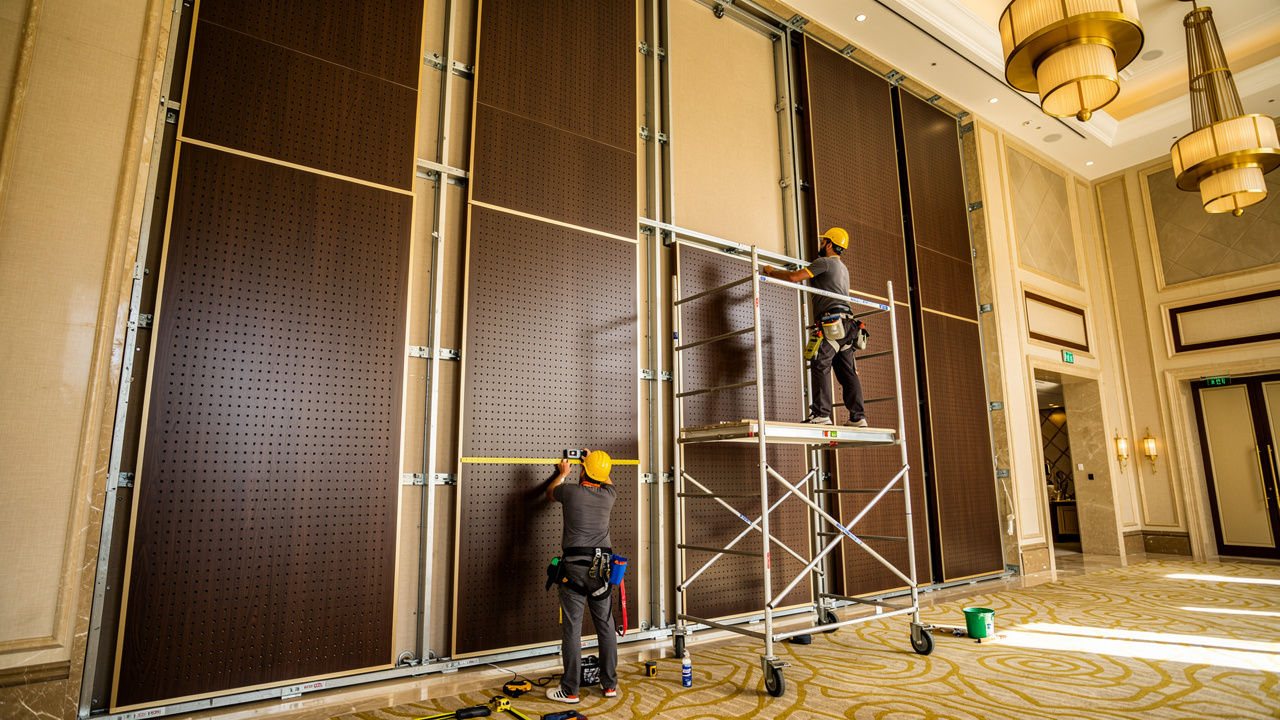
Professional acoustic panel installation in Dubai follows a clear plan. The process moves from room assessment to coverage calculation, layout design, and then safe mounting.
A simple four-step method works well for most UAE projects.
“If you do not measure the room, you are just guessing with panels.” — DE Sound technical team
Room Assessment And Acoustic Targets
Start with room dimensions, surfaces, and use. An office needs different reverberation time than a concert hall. Many consultants measure RT60, the time for sound to drop by 60 decibels, with tools like Room EQ Wizard. Guidance from the UK Department for Education sets classroom targets around 0.4 to 0.6 seconds, which also fits many training rooms.Coverage And Sabine Calculation
The Sabine formula, often cited by the Acoustical Society of America, links room volume and total absorption. Many offices in Dubai reach good comfort when 20 to 30 percent of wall area holds sound-absorbing material. Studios and podcast rooms may need 40 to 60 percent. DE Sound helps teams turn these figures into exact panel counts.Panel Placement Strategy
First treat the main reflection points on side walls and ceilings around the main seating or listening zone. Then look at rear walls and corners, where bass collects. Parallel bare walls create flutter echo, so adding panels to facing surfaces brings a big change with little material. Ceiling clouds above tables or desks also give strong results with fewer panels.Mounting Method Selection
The right fixing method protects safety and appearance. Lightweight PET or foam can use strong construction adhesive on sound surfaces. Heavier fiberglass or wood panels in commercial projects often sit on French cleats, Z clips, or metal impaling clips so they stay removable. For open ceilings in gyms, warehouses, and atriums, suspended baffles hang on steel wire from structural points approved by Dubai Municipality or Abu Dhabi authorities.
Here is the key point: good planning often lowers material cost because each panel works harder. DE Sound’s technical team reviews drawings and advises on layout and mounting so contractors avoid guesswork on site.
Top Acoustic Panel Installation Services In Dubai And Why DE Sound Leads The Market
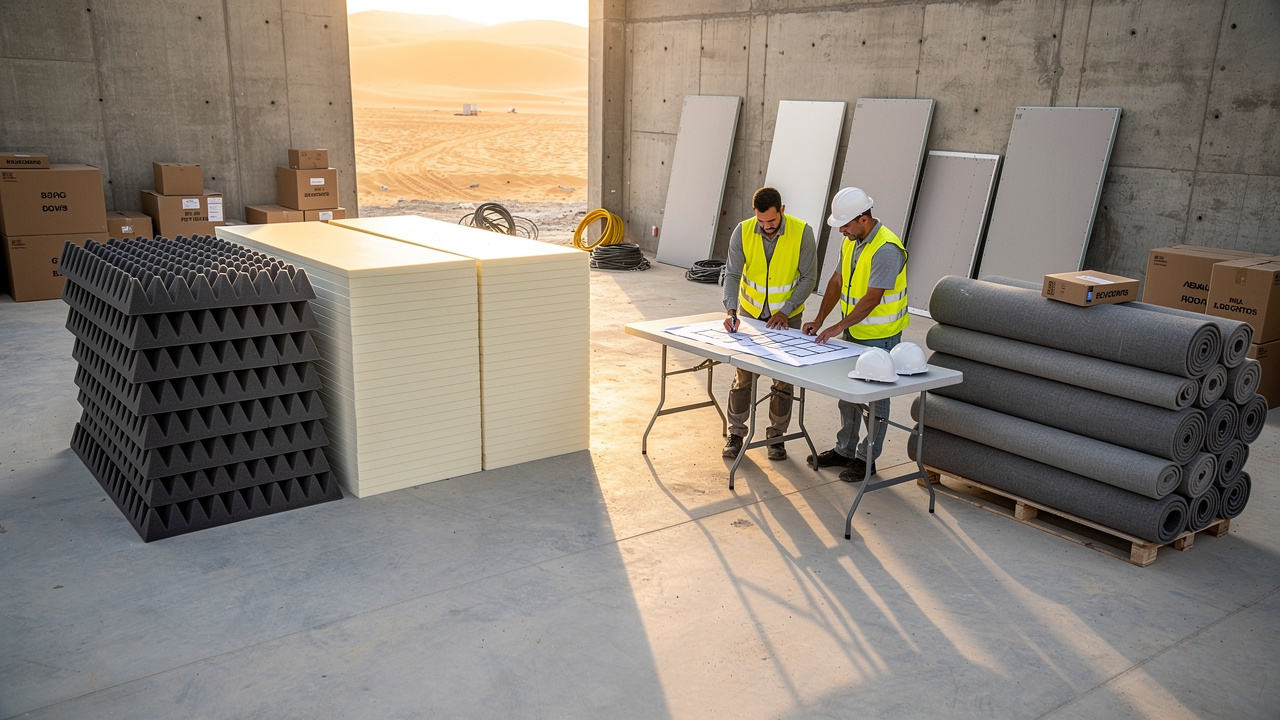
Top acoustic panel installation services in Dubai share a few traits. They know local codes, stock certified products, and support projects from design through handover. Within this field, DE Sound stands out as a wholesale acoustic supplier with a clear focus on bulk projects across the GCC.
DE Sound sells PET panels, perforated wood systems, stretch fabric walls, foam, and bass traps at factory-direct prices. That pricing model cuts out extra layers in the supply chain, which helps fit-out companies, interior designers, and facility managers keep acoustic budgets under control. For multi-floor office programs or school rollouts, that difference adds up fast, as highlighted in the assessing and benchmarking a multifunctional plug-and-play façade study, which quantifies cost and performance advantages of modular acoustic systems.
The company also treats support as part of the product. Teams receive free acoustic consultation on panel choice, coverage levels, and fixing hardware for their exact site. This support covers a wide range of projects, from podcast studios in Dubai Media City to hotel ballrooms in Downtown Dubai and lecture halls in Sharjah.
Fast logistics matter as well. DE Sound delivers across six GCC countries, so materials for Dubai, Abu Dhabi, Riyadh, or Doha can come from the same source. That helps regional design firms keep a single specification across many sites. Green building is another focus. LEED projects from the US Green Building Council and local programs such as Estidama and Al Sa’fat value low-VOC materials and acoustic comfort, so DE Sound stocks PET and fabric systems that support those goals.
Competitors such as Acoustica Middle East or Akinco Acoustics also serve the region. Still, DE Sound’s mix of transparent pricing, wide stock, and hands-on technical support makes it a safe anchor partner for long-term acoustic work.
Common Acoustic Panel Installation Mistakes To Avoid In UAE Projects
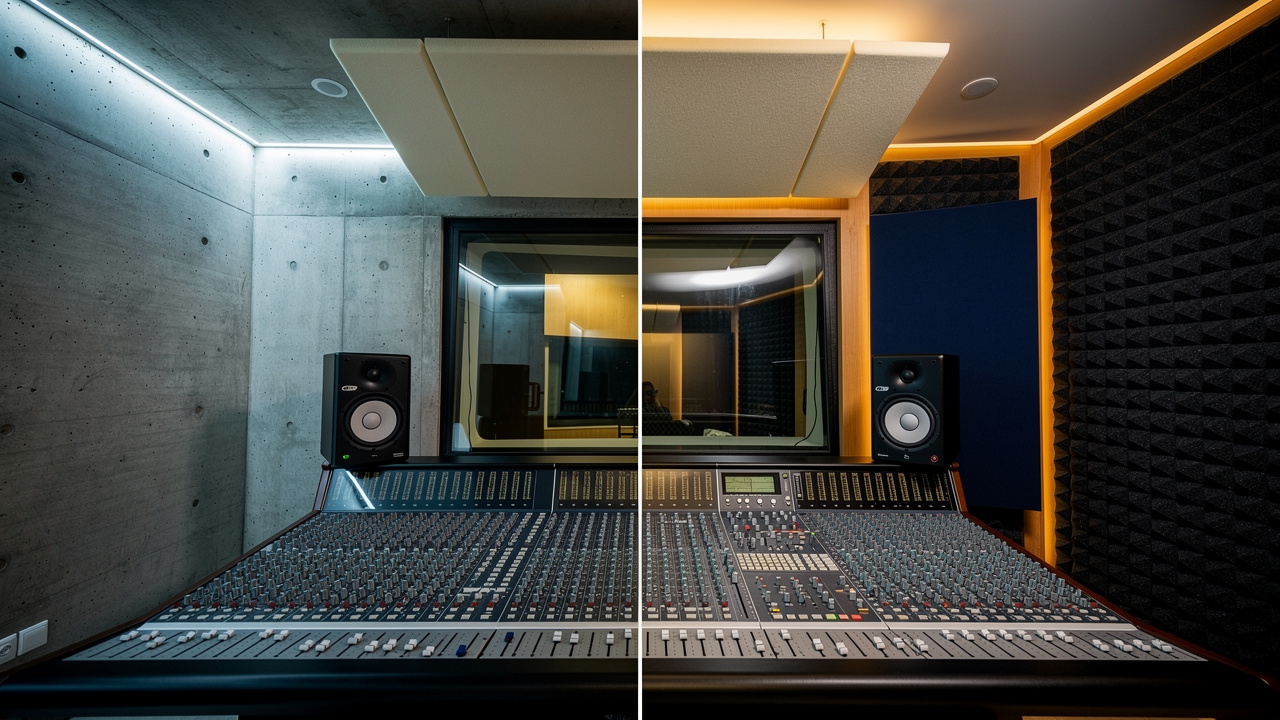
Common mistakes in acoustic panel installation often waste budget and still leave rooms noisy. Knowing these issues early protects both performance and schedule on UAE projects.
Treating Only One Surface
Many teams cover just the back wall of a boardroom and expect a big shift. Sound energy keeps bouncing off the ceiling and other walls, so echo remains. Treating at least two walls plus part of the ceiling often brings a much clearer result.Ignoring Low-Frequency Control
Flat wall panels and foam tiles mostly absorb mid and high tones. Without bass traps in corners or thicker panels on rear walls, music rooms and theatres still sound boomy — a problem well-documented in measurement and prediction of airborne sound insulation performance across different wall configurations. DE Sound often recommends simple corner trap kits for studios so projects do not spend more on extra thin panels that add little at low frequencies.Placing Panels At The Wrong Height
Panels fixed too close to the ceiling or floor often miss ear-level reflections. For seated areas, panel centers work best around 90 to 110 centimeters from the floor. In classrooms and offices across Dubai and Abu Dhabi, that small height change can raise speech clarity more than extra coverage.Weak Fixing And Low-Quality Hardware
Heavy fiberglass or wood panels that hang on light plastic plugs can slip or fall in busy corridors. UAE Civil Defense treats loose interior elements as a safety risk. DE Sound guides installers toward metal anchors, tested clips, and full fixing layouts that suit each substrate.Skipping Structural Checks For Suspended Baffles
Hanging clouds and baffles from light ceiling grids instead of structural points creates danger. Local rules from bodies such as Dubai Municipality expect load checks for these items. A short review with an engineer before installation protects people below and avoids later changes during inspection.
With free technical review, DE Sound helps design teams spot these traps early. That kind of advice often costs less than one day of rework on site.
Getting Dubai’s Acoustic Panel Installation Right From The First Panel To The Final Finish
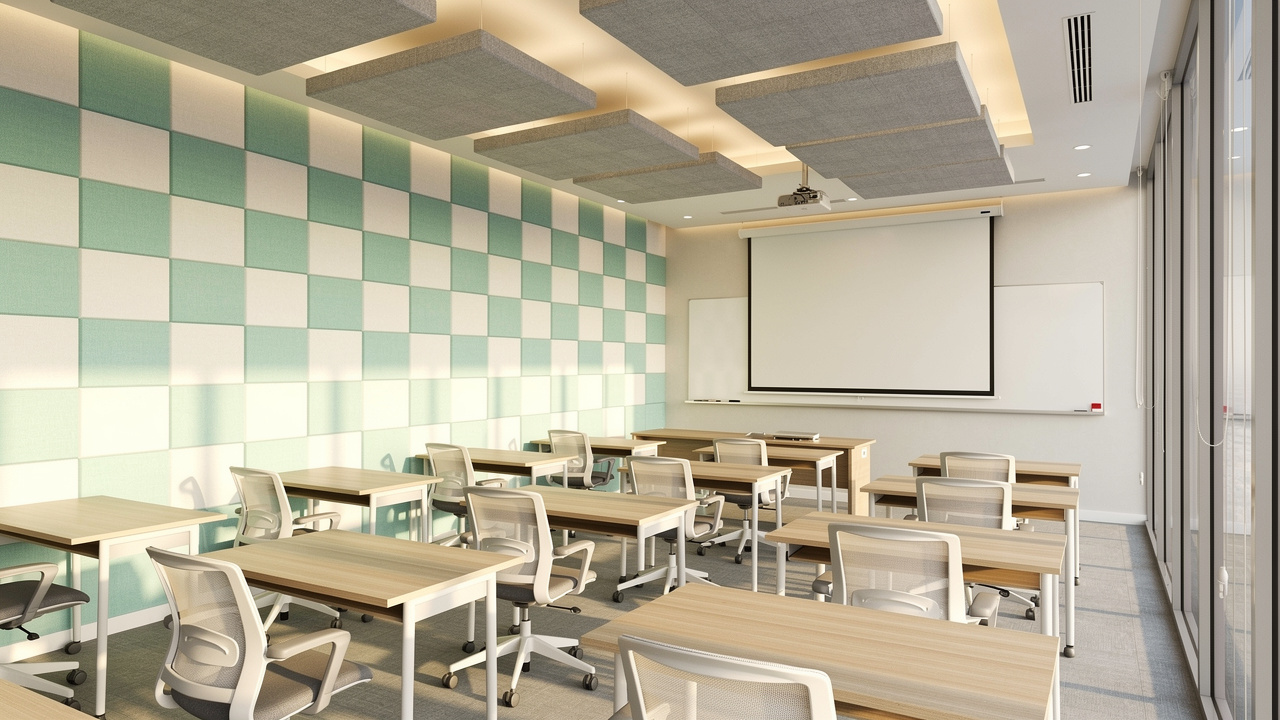
Good acoustic panel installation in Dubai starts with clear goals, the right mix of panel types, and a layout that respects how sound moves in each room. When projects follow that path, offices sound calmer, hotel guests rest better, and classrooms support clear learning.
Working with a supplier that understands both acoustics and GCC site reality makes this far easier. DE Sound brings factory-direct pricing, tested and fire-rated products, fast regional delivery, and practical support for designers and contractors. For the next office, school, hotel, or studio project, a short call or message to DE Sound can set up a free consultation and a detailed bulk quote that keeps both sound and budget under control.
Frequently Asked Questions
How Much Does Acoustic Panel Installation Cost In Dubai?
The cost of acoustic panel installation in Dubai varies by panel type, coverage, and fixing method. Simple foam setups cost less than full stretch fabric or wood systems. Factory-direct supply from DE Sound usually lowers material spend compared with retail sources. The best approach is to share drawings and get a project-specific quote.
How Many Acoustic Panels Do I Need For A Room In The UAE?
Most offices and meeting rooms work well when 20 to 30 percent of wall area holds panels. Studios, podcast rooms, and control rooms often need 40 to 60 percent coverage. DE Sound offers free takeoff support so designers can match panel counts to room dimensions and target reverberation time.
Are Acoustic Panels Fire Rated For UAE Commercial Use?
Yes, many acoustic panels reach fire ratings that suit UAE Civil Defense rules for commercial projects. Fabric-wrapped fiberglass, PET panels, and most perforated wood systems can meet Class A or similar levels. DE Sound supplies test reports and certificates so consultants and authorities can review each product with confidence.
Can Acoustic Panels Be Customized For Hotel And Hospitality Projects In Dubai?
Yes, acoustic panels can match hotel design themes very closely. Options include custom sizes, printed or woven fabrics, warm wood veneers, and eco-friendly cores. DE Sound often works with hospitality fit-out contractors to align acoustics with brand guidelines, lighting, and joinery details across ballrooms, lobbies, and guest areas.
How Long Does Acoustic Panel Installation Take For A Commercial Space In Dubai?
Small meeting rooms or studios may take one day of work once panels arrive. Large offices, schools, or hotel floors can take several days or weeks, based on access and ceiling height. DE Sound’s fast GCC-wide delivery helps panels reach site on schedule so contractors can keep overall fit-out timelines on track.