

Qatar’s rapidly developing commercial, hospitality, educational, and residential sectors have created a growing need for better indoor acoustic environments. In spaces with large open areas and reflective finishes such as glass, stone, and concrete, sound can easily bounce between surfaces and create uncomfortable levels of reverberation.
Acoustic wood wool panels offer a practical way to manage these reflections while adding a distinctive architectural finish. Their fibrous surface is designed to absorb sound, while their natural appearance makes them suitable for contemporary interiors throughout Qatar.
From corporate facilities in Doha to hotels, schools, restaurants, and public buildings, wood wool panels can provide acoustic improvement without turning the interior into a purely functional-looking space.
How Wood Wool Acoustic Panels Work
Wood wool panels are produced from fine wood fibres combined with a mineral binder to form a rigid acoustic board. The open texture of the material allows sound energy to enter the panel rather than simply reflecting from a hard surface.
This helps reduce excessive reverberation and creates a more controlled acoustic environment.
The panels can be incorporated into walls or ceilings depending on the layout and acoustic requirements of a particular room.
A Natural Approach to Interior Acoustics
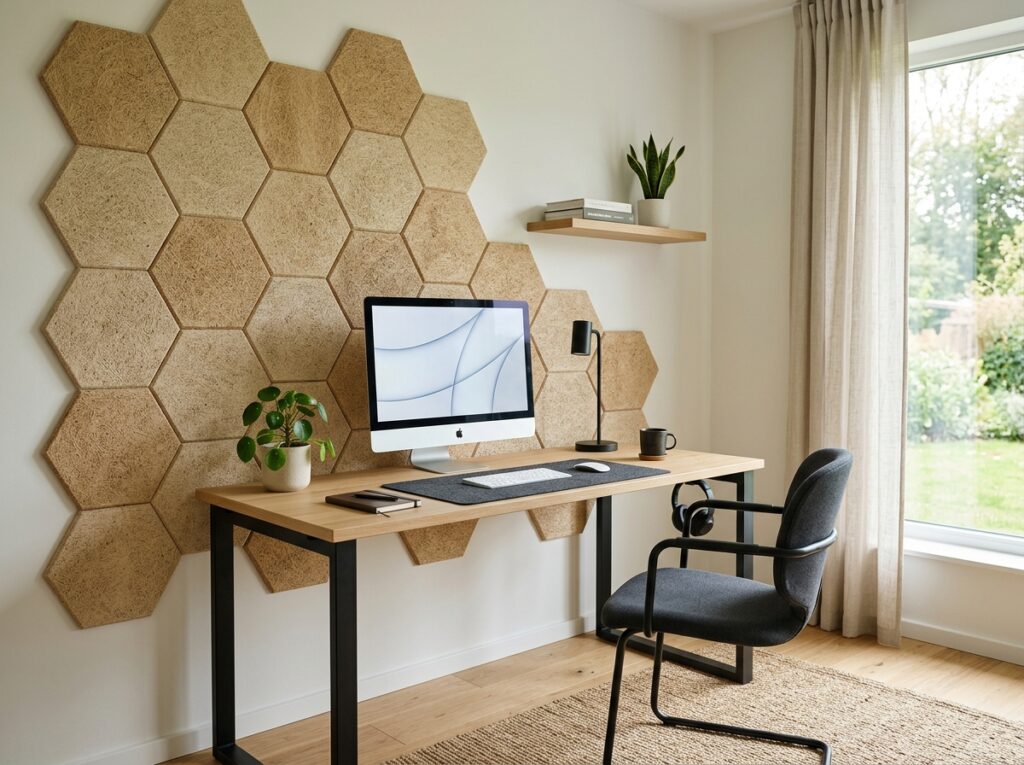
One of the distinguishing characteristics of wood wool panels is their textured appearance. Instead of concealing acoustic treatment, designers can use the material as part of the visual character of an interior.
The surface can complement:
- Natural wood interiors
- Contemporary office designs
- Minimalist spaces
- Industrial-style architecture
- Hospitality interiors
- Educational environments
This combination of acoustic functionality and visual texture makes wood wool different from many conventional sound-absorbing products.
Key Advantages of Wood Wool Panels
Helps Control Reverberation
Large rooms can become acoustically challenging when sound continues reflecting from walls, ceilings, floors, and other hard surfaces. Wood wool panels absorb a portion of these reflections, helping create a more comfortable sound environment.
Supports Clearer Communication
In meeting rooms, classrooms, conference areas, and public spaces, excessive reverberation can make speech difficult to understand. Acoustic treatment helps reduce this problem and can improve speech intelligibility.
Durable Board Construction
Wood wool acoustic panels are designed for demanding interior applications. Their rigid construction makes them suitable for commercial spaces where acoustic materials need to remain stable over extended periods.
Distinctive Surface Texture
The visible wood fibres create a three-dimensional appearance that can add depth and character to otherwise plain walls and ceilings.
Multiple Design Possibilities
Depending on the product range, wood wool panels can be selected in different:
- Thicknesses
- Colours
- Panel dimensions
- Surface finishes
- Wall arrangements
- Ceiling configurations
Where Can Wood Wool Panels Be Used?
The versatility of this material makes it suitable for a wide range of applications in Qatar.
Common uses include:
- Office interiors
- Conference rooms
- Schools
- Universities
- Hotels
- Restaurants
- Cafés
- Libraries
- Auditoriums
- Community centres
- Healthcare facilities
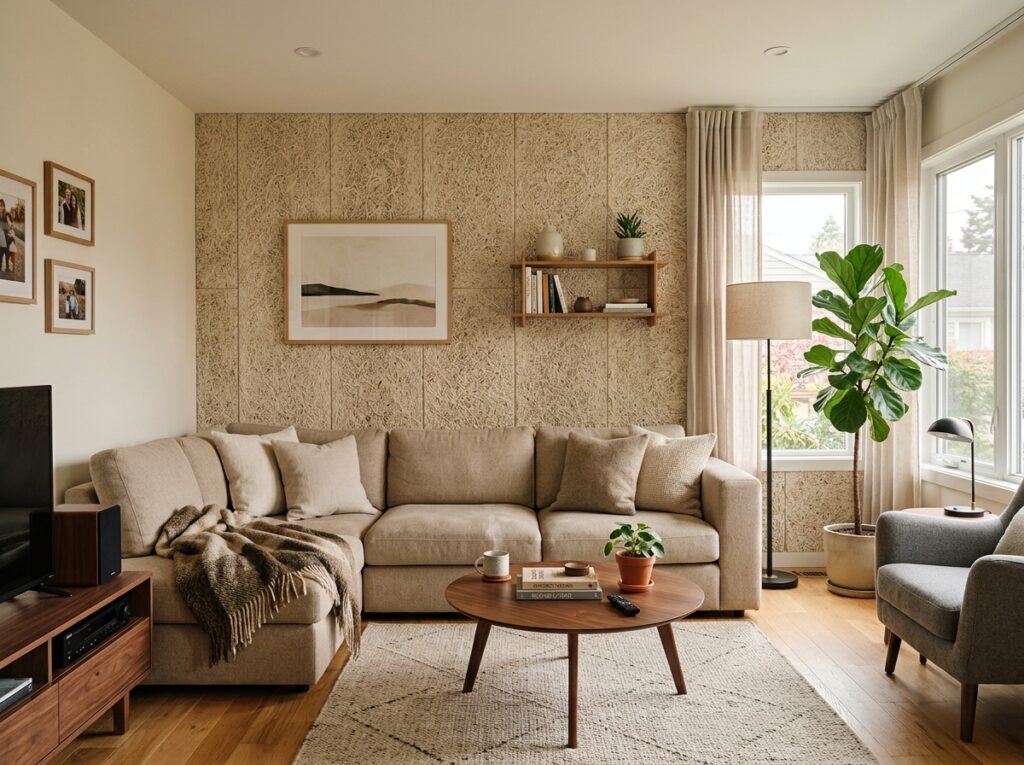
- Residential interiors
- Sports and recreational buildings
They can be used across individual rooms or incorporated into larger architectural acoustic schemes.
Wood Wool Panels for Offices and Meeting Spaces
Modern offices often use open layouts to encourage collaboration, but these spaces can also produce considerable background noise.
Installing acoustic panels on suitable wall or ceiling areas can help reduce reflected sound and make conversations easier to follow.
In meeting rooms and boardrooms, acoustic treatment can also contribute to a more controlled environment where discussions and presentations remain clearer.
Acoustic Treatment for Hospitality Interiors
Restaurants, cafés, lounges, and hotel spaces need to balance atmosphere with acoustic comfort. Hard decorative surfaces may look impressive but can increase sound reflections when used extensively.
Wood wool panels provide an opportunity to introduce sound absorption without removing the visual character of the interior.
They can be incorporated into feature walls, ceiling sections, or other architectural areas where acoustic treatment is required.
Suitable for Educational Environments
Classrooms, lecture rooms, libraries, and training facilities depend heavily on speech clarity. When sound reflections are excessive, students may have difficulty following teachers and presentations.
Strategically positioned wood wool panels can help control reverberation and create a more suitable acoustic environment for learning.

Choosing the Right Wood Wool Panel
The ideal panel specification depends on the room and the desired acoustic outcome. Factors worth considering include:
Panel Thickness
Different thicknesses provide different acoustic characteristics and may be selected according to the frequency range and level of absorption required.
Installation Location
Wall and ceiling applications can require different approaches. The amount of available surface area should also be considered when planning the treatment.
Colour and Finish
The panel should complement the surrounding architecture rather than appearing as an afterthought.
Coverage
The amount and positioning of acoustic material can have a major effect on the final result. Simply adding panels without considering the room’s characteristics may not provide the desired acoustic improvement.
Wood Wool Acoustic Panels in Doha and Across Qatar
Doha has become a centre for modern commercial, educational, hospitality, and residential development. These projects frequently incorporate large open spaces and contemporary materials that make acoustic planning increasingly important.
Wood wool panels can be integrated into these environments while maintaining the visual standards expected from modern architecture.
They are particularly suitable for spaces where the goal is to combine:
- Better sound absorption
- Natural-looking materials
- Contemporary aesthetics
- Durable construction
- Flexible installation
Care and Maintenance
Wood wool panels are relatively simple to maintain when used indoors.
Basic maintenance can include:
- Removing dust with a soft brush or suitable vacuum attachment.
- Cleaning minor marks carefully with an appropriate damp cloth.
- Avoiding excessive moisture.
- Keeping sharp objects away from the panel surface.
- Inspecting panels periodically for physical damage.
Following the care instructions supplied with the specific product helps preserve its appearance and acoustic characteristics.
Frequently Asked Questions
Do wood wool panels completely block outside noise?
No. Wood wool panels are primarily designed for sound absorption, meaning they reduce reflections and reverberation within a room. Blocking noise transmission between rooms generally requires a dedicated soundproofing construction system.
Can wood wool panels be installed on ceilings?
Yes. Ceiling installation is a common application and can be particularly useful when wall space is limited.
Are wood wool panels suitable for commercial buildings?
Yes. Their durability and acoustic properties make them suitable for offices, hotels, educational facilities, restaurants, and other commercial environments.
Can the panels be used as a decorative feature?
Yes. Their textured wood-fibre surface can be incorporated into feature walls and ceiling designs, allowing acoustic treatment to become part of the overall interior aesthetic.
Conclusion
Acoustic wood wool panels provide an effective way to control reverberation while bringing a distinctive natural texture to modern interiors. Their combination of sound absorption, durable construction, and design flexibility makes them suitable for a wide range of projects across Qatar.
From offices and classrooms to hotels, restaurants, libraries, and residential spaces, these panels can help create environments where conversations are clearer and excessive sound reflections are reduced. With the right thickness, coverage, and installation approach, wood wool acoustic panels can become both a functional acoustic element and an attractive part of the interior design.