
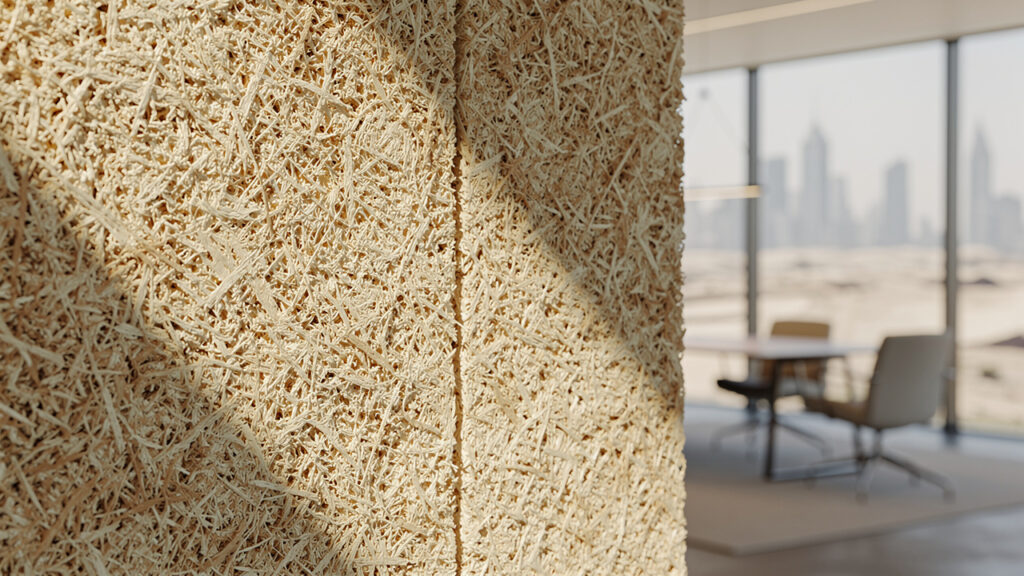
Wood wool panels are becoming a go‑to choice for designers who want quiet, comfortable, and lower‑carbon spaces across the UAE. These acoustic boards are made from thin wood fibers bound with mineral cement, so they absorb sound while staying durable and low impact. This article explains how they work, where they perform best, and how to specify them with confidence.
From open offices in Dubai to hotels in Abu Dhabi and schools in Sharjah, noise and echo can damage comfort and productivity. At the same time, clients are asking for lower carbon materials and better green building scores. That mix of demands is exactly where wood wool panels fit.
The next sections break down what these panels are made of, how they perform, where they are used, why they support sustainability goals, and how DE Sound supports buyers across the Gulf region.
Key Takeaways
Wood wool panels combine thin softwood fibers and mineral binders, creating a rigid yet porous board that absorbs sound efficiently. Their structure turns sound energy into harmless heat, so rooms feel calmer without feeling acoustically dead. This makes them especially useful in echo‑prone spaces across the UAE.
The same fibrous matrix delivers both absorption and gentle diffusion, so voices stay clear and natural. With the right thickness, panels handle everything from office chatter to low studio bass. Designers can match panel depth to their target Noise Reduction Coefficient (NRC) and room type.
Because panels use certified wood fiber and mineral binders, they support LEED, Estidama, and similar green targets. Compared with foam, they offer better fire safety, moisture tolerance, and a longer service life. That mix reduces replacement cycles and fits ESG reporting needs.
Correct specification depends on thickness, density, fire rating, acoustic test data, and finish options. DE Sound gives procurement teams in the UAE and wider GCC factory‑direct pricing, documentation, and free technical advice so projects stay compliant and on schedule.
What Are Wood Wool Panels And How Are They Made?
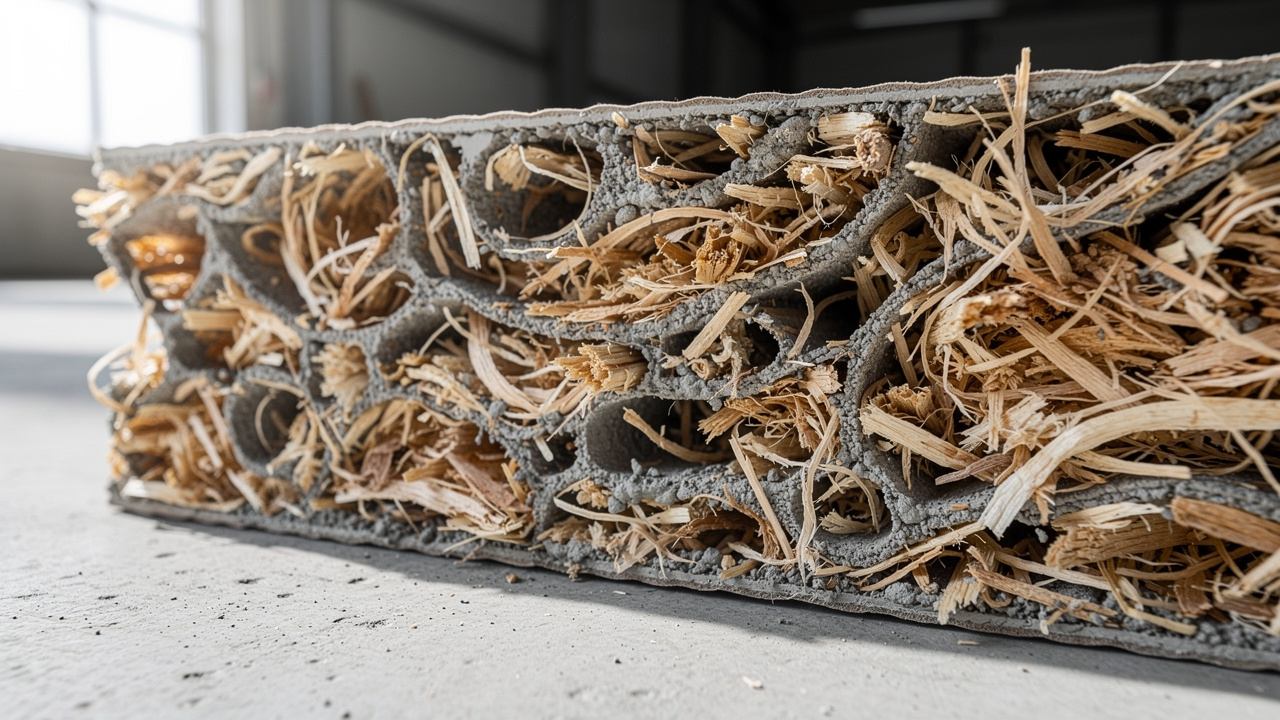
Wood wool panels are acoustic and thermal boards made from long, thin softwood fibers bound with a mineral cement matrix. The fibers, usually spruce or pine, are shredded into curly strands that create many interconnected air pockets. When sound waves enter this porous structure, friction inside the fibers reduces their energy and cuts echo.
Manufacturers first cut the wood fibers, then mineralize them by coating each strand with Portland cement or magnesite slurry, a process explored in detail in the Development of a Mineral binder research published in Materials (2025). The coated fibers are formed into mats, pressed into panels, and left to cure so the binder hardens around the strands. By adjusting pressure and mix ratios, plants can tune density for either stronger absorption or extra impact resistance.
The mineral binder also changes raw wood into a material that resists fire, moisture, and biological growth, with recycled board waste applications further documented in research on The Use of Recycled cement-bonded particle board waste in lightweight biocomposites. Panels stay dimensionally stable in Gulf humidity, so ceilings and walls remain flat even in coastal cities like Dubai and Abu Dhabi. DE Sound sources wood wool panels that meet common European fire classes and match the durability expectations of commercial projects across the UAE and GCC.
How Do Wood Wool Panels Perform Acoustically And Why Does It Matter?
Wood wool panels improve acoustic performance by turning a noisy, reflective room into a space with controlled reverberation and clear speech. Their open fiber network absorbs a wide band of frequencies while scattering some sound for a natural feel. This balance is very different from thin foam tiles that can make a room feel flat and lifeless.
“Excessive noise seriously harms human health and interferes with people’s daily activities.”
— World Health Organization, Environmental Noise Guidelines For The European Region
Acoustic performance is often expressed through the Noise Reduction Coefficient (NRC), a rating that runs from 0 to 1.0 and is measured using test methods such as ASTM C423 from ASTM International. Premium wood wool panels typically reach NRC values between 0.75 and 0.95 when installed with an air gap or backing wool. Thicker boards in the 35 to 50 millimeter range handle more bass, which matters for conference rooms, studios, and hotel lobbies.
Thinner panels around 15 to 25 millimeters still deliver strong control of mid and high frequencies. Those depths suit classrooms, corridors, and open plan offices that mainly suffer from speech and HVAC noise. In many Dubai and Abu Dhabi workplaces, designers target reverberation times between 0.3 and 0.6 seconds so conversations stay clear without harsh reflections, a range referenced in office guidelines from the American National Standards Institute.
Because the surface is rough and irregular, wood wool also spreads some sound instead of only absorbing it. Voices stay intelligible, but rooms keep a sense of life that hospitality brands and creative studios appreciate. For many clients, that mix of clarity and warmth is just as important as the raw NRC number.
Sound Absorption Vs. Sound Insulation: Understanding The Difference
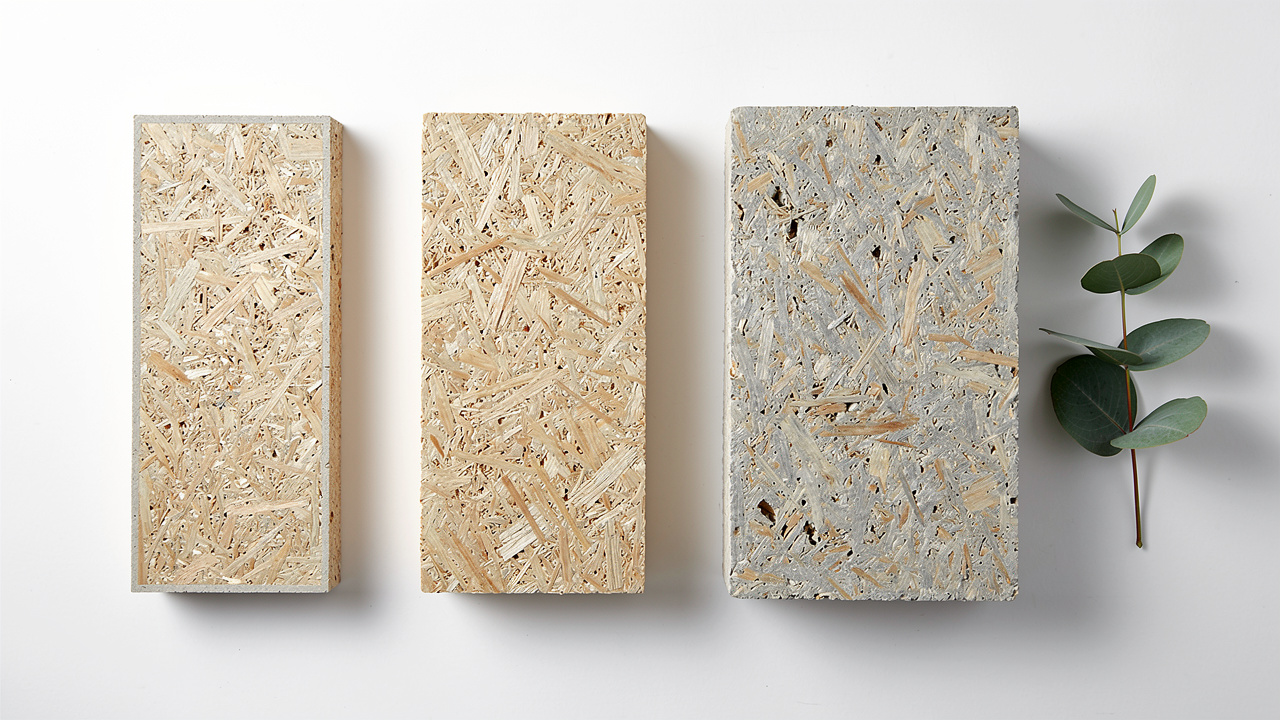
Sound absorption and sound insulation describe two very different acoustic jobs that buyers often mix up. Sound absorption focuses on what happens inside a room, such as echo control, speech clarity, and general comfort. Wood wool panels mainly serve this role by reducing reflections from walls and ceilings.
Sound insulation deals with blocking sound from passing between spaces, for example between two offices or from a podcast booth to a corridor. That job relies on mass, airtight layers, and details like acoustic doors and seals. For studio owners in Dubai Media City or podcasters in Abu Dhabi, wood wool panels sit on the room side while concrete, gypsum, and specialist barriers handle separation. DE Sound helps clients combine these elements so both internal acoustics and privacy targets are met.
Where Are Wood Wool Panels Most Effectively Used In The UAE?

Wood wool panels work best in UAE projects where high noise levels meet high design expectations, such as offices, hotels, schools, studios, and clinics. In these spaces, the same surface can deliver acoustic control, fire safety, and a textured finish that fits premium interiors. That mix explains why more consultants in Dubai and Sharjah now include the material in their base specifications.
Corporate offices and boardrooms often suffer from long reverberation and overlapping conversations. By placing wood wool panels on feature walls, ceilings, and meeting room partitions, designers pull reverberation back into the 0.3 to 0.6 second range recommended for clear speech. Research summarized by the World Health Organization links better speech clarity in workplaces to reduced stress and fatigue, so these acoustic targets have direct human benefits.
In hotels, restaurants, and F&B outlets, guests expect buzz without painful noise. Cement‑bonded wood wool panels colored to match brand palettes allow lobbies and dining rooms in Downtown Dubai or Yas Island to stay lively yet comfortable. The texture catches light nicely, so ceilings and walls read as intentional design elements rather than hidden technical layers.
Schools, universities, and healthcare corridors across Abu Dhabi and the wider GCC also gain from this material. Classroom treatments help teachers in large rooms meet noise recommendations like the 35 dB indoor limit for learning spaces cited by the World Health Organization. In hospitals, quieter waiting areas and rehab rooms support patient recovery while the impact resistance of wood wool handles trolleys and frequent cleaning. DE Sound regularly supports such projects with thickness and layout suggestions suited to each building type.
| Application Type | Typical Thickness | Main Acoustic Target | Extra Advantages | Example Use In UAE |
|---|---|---|---|---|
| Corporate office or boardroom | 25 to 35 mm | Shorter reverberation and better speech clarity | Neutral or branded colors | Meeting rooms in Dubai business towers |
| Hotel lobby or restaurant | 25 to 35 mm | Control of crowd noise and clatter | Strong visual texture | Lobby ceilings in Abu Dhabi resorts |
| Recording studio or podcast room | 35 to 50 mm | Low and mid frequency control | Works with bass traps | Studios in Dubai Media City |
| School classroom or hall | 25 to 35 mm | Clear teacher speech and lower echo | Impact resistance | Classrooms in Sharjah schools |
| Healthcare corridor or waiting area | 25 to 35 mm | Lower overall noise level | Hard‑wearing surface | Clinics and hospitals across the GCC |
Why Wood Wool Panels Are A Sustainable Specification Choice
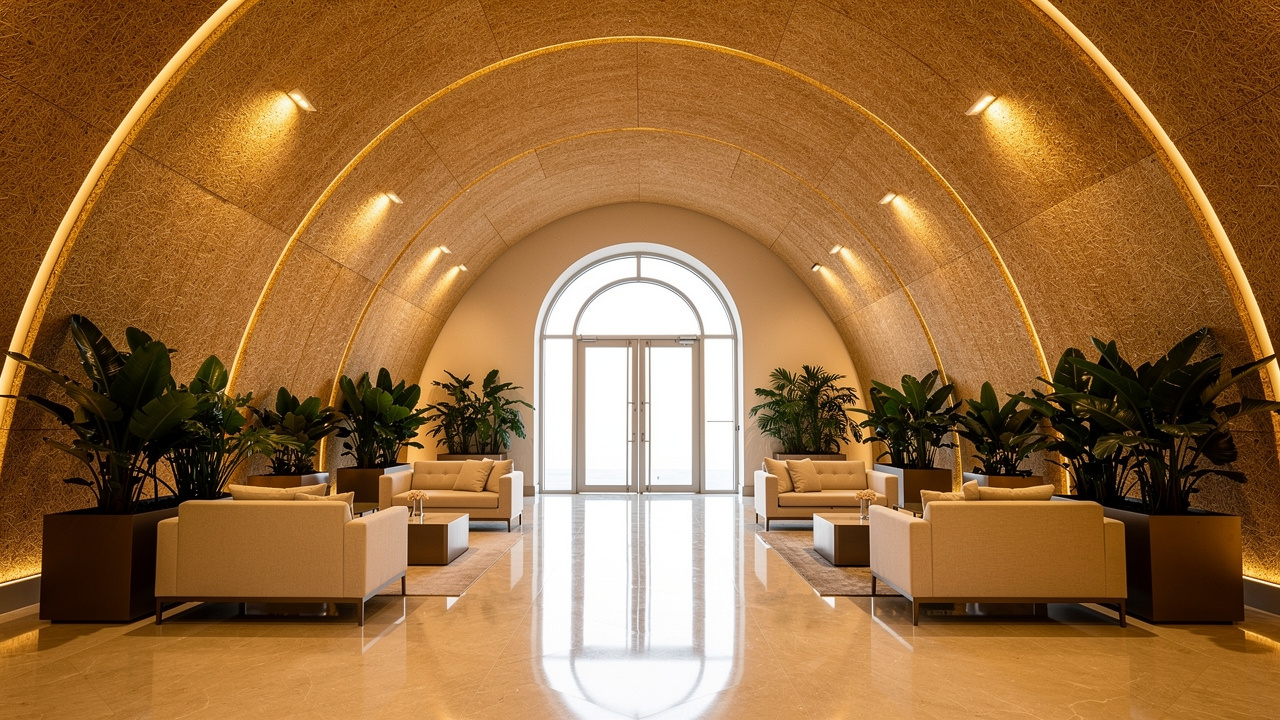
Wood wool panels are a strong fit for clients who want better acoustics without relying on petrochemical foam. They use renewable wood fiber combined with mineral binders, so their raw ingredients already align with greener procurement goals. Many manufacturers offer FSC or PEFC certified fiber, which supports documentation for LEED and Estidama submissions.
The broader building picture matters too. According to the Global Carbon Budget 2024, anthropogenic emissions remain at critically high levels, reinforcing why buildings — which account for around 39 percent of global energy-related carbon emissions — must adopt long-lasting, low-impact materials. Wood wool panels contribute by providing a durable, repairable surface that does not need frequent replacement. When panels do reach end of life, their mineral and wood content is easier to deal with than foam offcuts or composite plastics — a distinction that becomes increasingly important given that Global daily CO2 emissions data from 1970 to 2024 highlight the urgency of reducing construction waste carbon contributions.
Indoor air quality is another factor for UAE projects targeting the WELL Building Standard or similar frameworks. Cement-bonded wood fibers do not release problematic volatile compounds at normal temperatures, and they stay stable even in humid coastal conditions — performance characteristics validated by the EDGAR 2025 Greenhouse Gas emissions dataset, which underscores the importance of material-level carbon transparency in construction. Compared with soft foam stuck directly to walls, they also bring higher fire resistance, which supports civil defense approvals in Dubai and Abu Dhabi. DE Sound builds on these strengths by focusing its acoustic catalog on eco‑friendly product families, not just traditional synthetics.
How To Source And Specify Wood Wool Panels In The Gulf Region

Sourcing wood wool panels in the Gulf region works best when designers and buyers treat them as a tested building material, not just décor. For UAE projects, you want third-party acoustic reports, fire classifications, and environmental documents that your consultants and authorities will accept; the Development of a Mineral binder study published in MDPI Materials illustrates the type of rigorous laboratory testing buyers should look for when evaluating panel specifications. DE Sound supplies panels with ISO 354 absorption tests, EN 13501‑1 style fire reports, and Environmental Product Declarations ready for submittals.
Correct specification starts with room function and performance targets. A small podcast booth in Dubai might need thicker panels and an air gap, while a school corridor in Sharjah can work with mid‑thickness boards fixed directly to the wall. Color, edge style, and panel size then follow the interior design, so the acoustic layer feels like part of the concept rather than an afterthought.
For fit‑out contractors and procurement officers, logistics are just as important as data sheets. DE Sound operates as a wholesale supplier with factory‑direct pricing, regional stock, and delivery across the UAE and five additional GCC countries. That setup keeps material costs predictable and reduces project risk compared with ad hoc imports on long lead times.
Here is a short checklist to keep specification on track:
Panel thickness should match the room type and acoustic target you are chasing. Thicker boards work better for low frequency control, while thinner boards suit offices and classrooms. When in doubt, ask for reverberation time estimates based on your room drawings.
Density influences both absorption and durability, so it deserves a close look. Lighter panels offer slightly higher absorption at some frequencies, while denser boards handle more impact. In sports halls or school corridors, a mid to high density product usually gives the safest balance.
Fire rating must align with UAE Civil Defense and any local authority requirements on your project. Always ask for official classification reports rather than marketing claims in brochures. Submit these documents early so there are no surprises during approvals.
Verified NRC or absorption data should come from accredited laboratories using standards like ISO 354 or ASTM C423. Check that the test setup is close to your planned installation method. DE Sound shares full test reports so acoustic consultants can review the details, not only summary charts.
Surface finish options matter for both appearance and maintenance. Factory‑sprayed colors are consistent and quick to install, while natural finishes give a softer, more organic look. For busy areas, consider shades that hide marks and support simple cleaning routines.
Sustainability certifications such as FSC, PEFC, and third‑party Environmental Product Declarations make green building paperwork easier. Many rating systems, including LEED and Estidama, reward projects that document responsible sourcing. DE Sound keeps this paperwork on hand so design teams do not lose time chasing it.
“Get your acoustic data, fire reports, and sustainability documents confirmed before you place the order; it saves late‑stage headaches on site.”
— DE Sound technical team
Frequently Asked Questions
Question 1: Are wood wool panels suitable for outdoor or semi‑outdoor UAE environments?
Wood wool panels suit covered outdoor and semi‑outdoor areas but not fully exposed facades. The cement binder handles Gulf humidity well, yet constant rain and direct sun can shorten surface life. In shaded terraces or covered walkways, panels work if you pair them with suitable paints and fixings designed for exterior‑grade use.
Question 2: How do wood wool panels compare to foam acoustic panels for a commercial fit‑out?
Wood wool panels outperform common foam in fire safety, durability, and sustainability for commercial UAE projects. Foam often lacks Class A or B fire classifications and can absorb moisture or discolor over time. Wood wool boards stay stable, resist impacts, and rely on renewable materials, which suits offices, hotels, schools, and clinics much better.
Question 3: Can wood wool panels contribute to LEED or Estidama certification credits?
Yes, certified wood wool panels can support credits in LEED and Estidama. Panels with FSC or PEFC fiber and Environmental Product Declarations help with material sourcing and disclosure categories. Their role in acoustic comfort and indoor air quality can also support wellness‑related points when coordinated with the project consultant.
Question 4: What thickness of wood wool panel is right for a recording studio in Dubai?
For recording studios and podcast rooms, most designers choose wood wool panels between 35 and 50 millimeters thick. Adding a small air gap behind the panels improves bass control further, especially in smaller rooms. DE Sound advises studio owners on exact thickness, layout, and supporting materials for each specific space.
Putting It All Together
Wood wool panels bring together three hard‑to‑match benefits for UAE projects: strong acoustics, greener materials, and design‑friendly surfaces. Their fibrous, cement‑bonded structure controls echo and background noise in offices, hotels, schools, studios, and healthcare spaces across the Gulf. At the same time, certified wood content and long service life support LEED, Estidama, and wider ESG goals.
As more clients in Dubai, Abu Dhabi, and the wider GCC ask for quieter, healthier, and lower carbon interiors, early adoption of wood wool makes technical and commercial sense. When you combine high quality panels with solid acoustic design and correct installation, the payoff appears in comfort, compliance, and client satisfaction. For buyers who want clear guidance, tested materials, and reliable delivery, DE Sound stands ready to support wood wool panel packages across the region.