
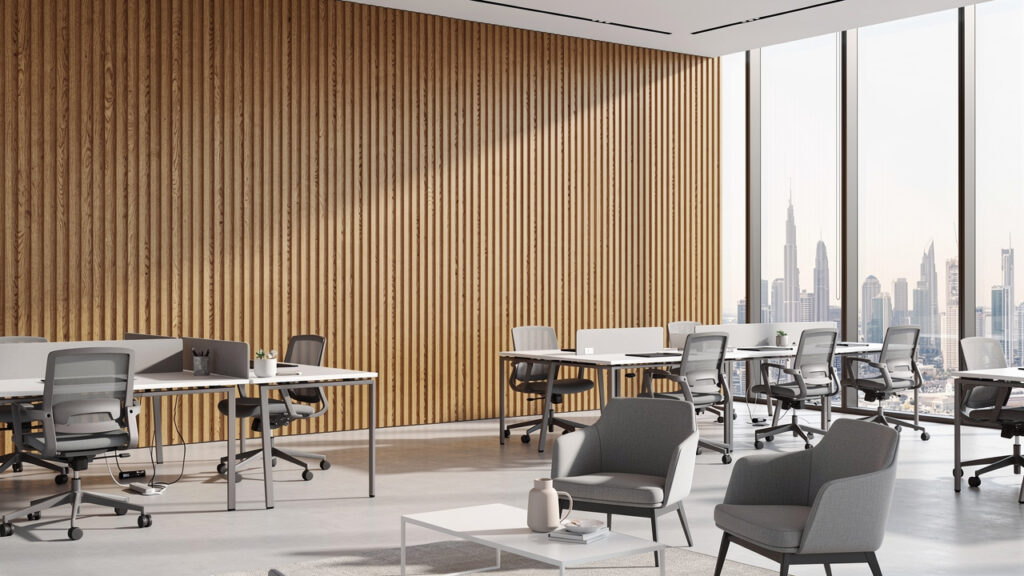
Many Gulf commercial interiors sound harsh, even when they look premium, without acoustic groove panels. Hard finishes, glass partitions, and open layouts bounce noise around until meetings, calls, and guest experiences become tiring.
Acoustic groove panels are engineered wall and ceiling panels that scatter and absorb sound so busy commercial spaces stay clear and comfortable. They use a grooved face and an acoustic backing layer to cut echo while keeping a refined, architectural finish. This guide explains the best uses in offices, hospitality, education, healthcare, studios, and public areas, plus simple steps to choose panels for each project.
If clear sound and calm interiors matter on your next fit-out in the UAE or GCC, read on. The sections below break down what to specify and where to use it.
Key Takeaways
These key points summarize the value of groove panels in commercial interiors. The bullets below outline where they work best and how to specify them. Refer back to this list while planning projects.
Factory-direct pricing keeps acoustic groove panels practical for large office areas and hospitality venues. DE Sound sells in bulk at prices from around AED 150 per square meter, so costs stay predictable. Local stock in the UAE and GCC also trims freight and customs charges.
Groove panels help most in corporate offices, meeting rooms, hotels, and restaurants. Constant speech and hard surfaces in these spaces combine to produce echo and fatigue. Treated walls or ceilings lower reverberation so people hear clearly at normal voice levels.
Good specifications match panel thickness, groove pattern, and coverage to each room. Thicker panels with deeper grooves usually control lower frequencies in larger venues. Color and finish should support the interior concept so treatment feels like part of the design, not an add-on.
Buying groove panels from a regional wholesale specialist keeps budgets predictable on big projects. Local stock in the UAE and GCC also cuts waiting time compared with overseas shipping. Technical support from people who know local construction methods reduces site errors and rework.
DE Sound supplies acoustic groove panels at factory-direct prices for designers and contractors. The company holds local stock, offers fast delivery across six GCC countries, and gives free consultation. That mix of pricing, logistics, and advice fits the timelines and scale of commercial interiors in the Gulf.
What Are Acoustic Groove Panels And How Do They Work?

Acoustic groove panels are engineered wall and ceiling boards that control sound by scattering and absorbing noise in commercial interiors. Inside a single panel, a grooved front surface, a dense wood core, and an acoustic felt backing work together to cut echo and reduce overall noise levels.
The grooved face acts like a series of tiny angled reflectors that spread sound rather than bouncing it straight back. Sound that enters the slots travels into the MDF or HDF core, then into the soft backing, where much of the energy turns into a small amount of heat. This mix of diffusion at the surface and absorption behind it makes groove panels far more effective than plain foam or flat tiles in many commercial rooms.
Each layer has a clear job:
Grooved surface layer forms the visible pattern that gives the panel its character. The cuts are calculated in width and depth so they scatter sound across different frequencies. In offices, hotels, and studios, this layer reads as a design feature while still directing energy into the core.
MDF or HDF core provides structure and keeps the panel stable over time. These dense boards machine cleanly, which allows consistent groove spacing across every sheet. Their mass also helps block part of the sound that tries to pass through walls and ceilings.
Acoustic felt or foam backing is where most absorption happens. The porous fibers slow the air movement linked to sound waves, which turns energy into mild heat instead of reflected noise. Many felts use recycled content, which supports green building goals in cities like Dubai and Abu Dhabi.
In many DE Sound projects across the UAE and GCC, this simple three-layer system replaces bulky ceiling clouds or exposed foam, giving clients clean lines with measured acoustic performance and a finish that suits high-end interiors.
Top Commercial Spaces Where Acoustic Groove Panels Deliver Maximum Impact
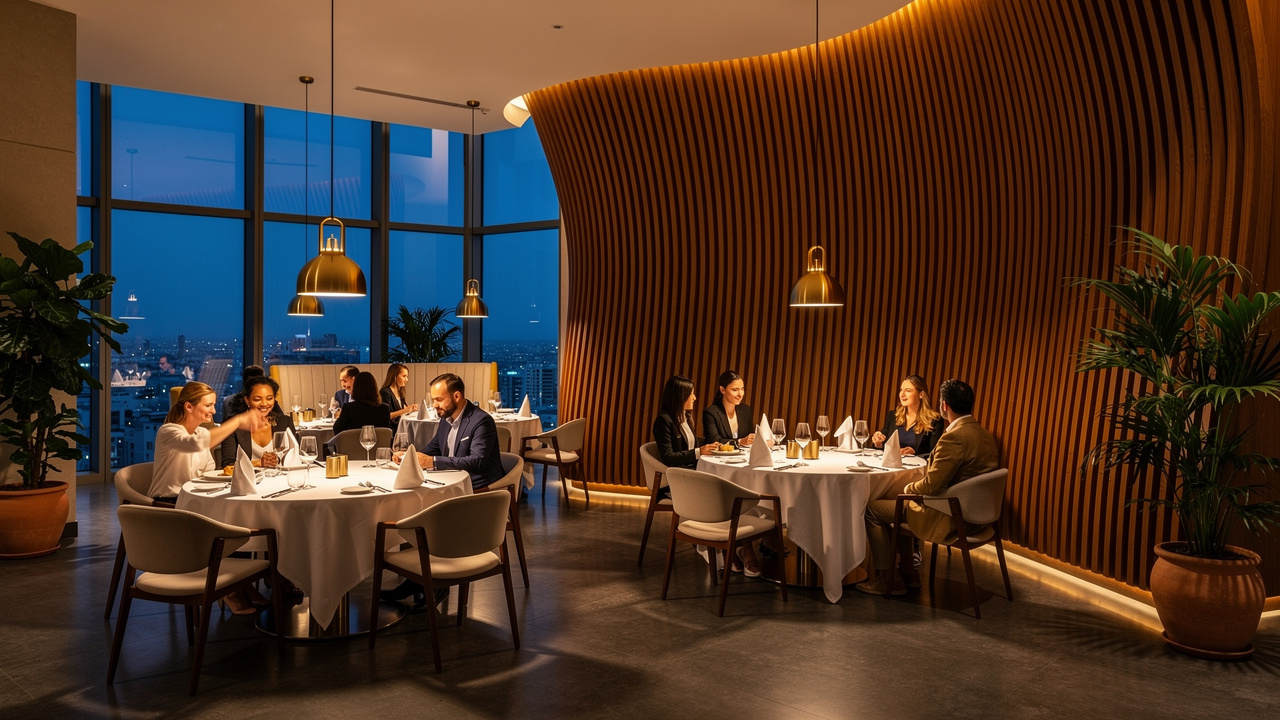
Top commercial uses for acoustic groove panels include offices, hospitality venues, classrooms, clinics, creative studios, and public gathering spaces across the UAE and GCC. In each of these settings, the panels calm reverberation, improve speech clarity, and keep the interior finish aligned with high design expectations.
Research from the Center for the Built Environment shows that noise and lack of privacy are the most frequent complaints in modern offices. According to the World Green Building Council, better acoustic comfort can raise office productivity by up to eight percent, so sound control now links directly to business performance.
The World Health Organization advises that classroom background noise stay below 35 decibels so students can understand every word. That level is hard to reach with bare concrete and glass, which is why many education projects now include dedicated acoustic treatment.
Key project types where groove panels work especially well include:
Corporate offices and meeting rooms rely on clear speech during calls, presentations, and team discussions. Hard glass and gypsum often reflect sound across open floors, which raises background noise and makes focus hard. Groove panels on meeting room walls and selected open office zones cut those reflections and help staff hold conversations at a normal level.
Hotels, restaurants, and banquet halls in cities such as Dubai, Abu Dhabi, and Doha need comfortable sound without hiding premium finishes. Guests expect lively energy, but strong echo turns that energy into a tiring roar. Installing acoustic groove panels on ceilings or feature walls brings reverberation down while still showing wood textures or custom colors that match the brand.
Schools, universities, and training centers need speech to carry clearly to every seat. Too much reverberation makes teachers repeat themselves and tires students quickly. Groove panels on rear and side walls absorb reflections so voices stay natural and lessons stay understandable.
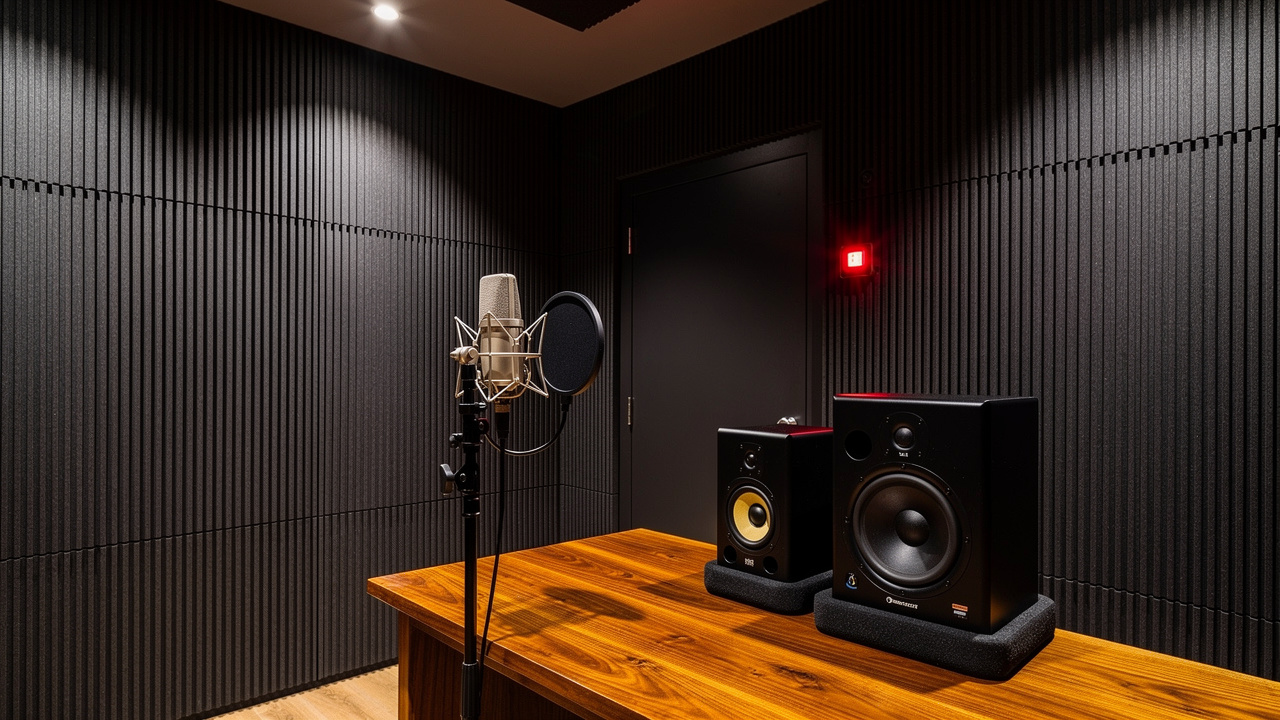
Recording studios, podcast rooms, and content creation suites need controlled sound for microphones and monitoring. Acoustic groove panels combine diffusion and absorption, which keeps recordings clear without deadening the room completely.
Airports, malls, and reception lobbies also gain from treated walls because announcements become easier to understand, even when crowds move through the space. Lower noise levels here help visitors feel calmer and reduce stress during busy periods.
“In UAE offices, acoustic quality now shapes how tenants judge space.”
— DE Sound
How To Choose The Right Acoustic Groove Panel For Your Commercial Project
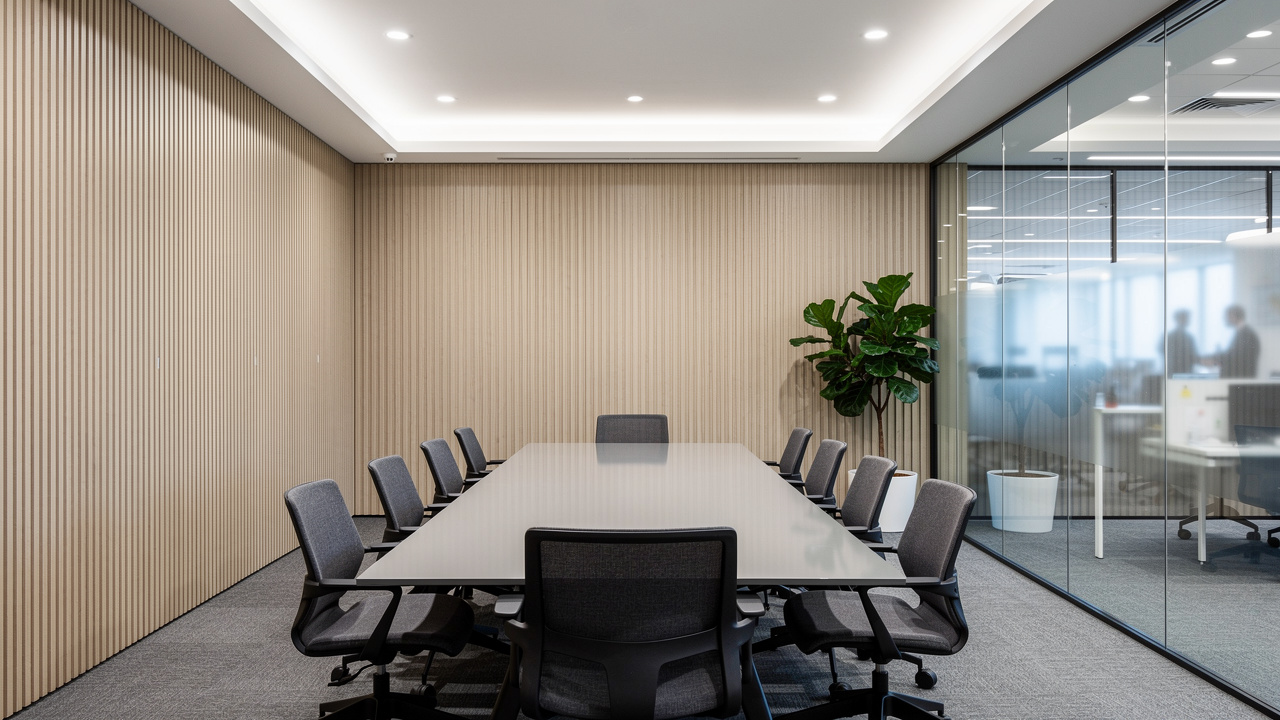
Choosing the right acoustic groove panel for a commercial project means matching thickness, groove pattern, finish, and coverage to the way the space works. When these settings match the noise level and volume of the room, the panels give clear, predictable improvements instead of acting as decoration only.
Thickness is the first choice to confirm, especially on large Gulf projects where material weight and acoustic depth both matter. The table below compares the two common thickness options.
| Specification | 12 mm Panel | 24 mm Panel |
|---|---|---|
| Best For | Moderate acoustic needs and standard wall areas | High-demand rooms and ceilings that need stronger treatment |
| Weight | Lighter and easy to handle on site | Heavier with more mass for tougher projects |
| Acoustic Profile | Focus on mid to high speech frequencies | Added support for low frequencies from HVAC and traffic |
| Ideal Environments | Corporate offices, reception areas, classrooms | Studios, auditoriums, boardrooms, hotel ballrooms |
Groove pattern also shapes performance, because close, shallow grooves favor higher speech frequencies while wider, deeper cuts catch more low-end rumble. Designers often combine different patterns within one project so each area receives sound control matched to its activity. Color and finish should follow the interior concept so panels read as part of the joinery package, not an obvious add-on.
A simple way to plan specifications is to:
Define the room use and noise sources – speech, music, traffic, HVAC, or crowd noise.
Select panel thickness according to how serious the noise is and whether you are treating walls, ceilings, or both.
Choose a groove pattern that suits the frequency range you need to control and the visual style of the space.
Match finishes and colors to existing joinery, flooring, and furniture so the panels feel integrated.
Confirm fixing details with the contractor so panels line up cleanly with doors, glazing, and services.
Coverage planning decides how many square meters to order for each room. The International WELL Building Institute treats acoustic comfort as a core feature of healthy buildings, so matching coverage to measured reverberation targets is more than a design detail.
For most offices, restaurants, and classrooms, it works best to treat at least the main reflection points, such as side walls near seating and ceilings above meeting tables. DE Sound offers free consultation for UAE and GCC projects, helping teams turn drawings and noise measurements into clear panel quantities and layout plans.
“We are designing with our eyes, but not with our ears.”
— Julian Treasure, Sound Consultant and TED Speaker
Why UAE And GCC Projects Source Acoustic Groove Panels From DE Sound
UAE and GCC projects often choose DE Sound for acoustic groove panels because the company combines wholesale pricing, local stock, and technical guidance in one place. That mix helps interior designers, contractors, and facility managers keep large commercial fit-outs on budget and on schedule while still meeting acoustic targets.
Studies summarized by Nielsen Norman Group show that workers can need more than twenty minutes to regain focus after loud interruptions. By treating noise as a design issue rather than a nuisance, DE Sound helps clients protect both user comfort and productivity.
Key advantages include:
Factory-direct pricing and regional stock make acoustic groove panels realistic for high-coverage projects such as office floors, hotel lobbies, and F&B venues. DE Sound sells in bulk at prices from around AED 150 per square meter, so costs stay predictable, and local inventory in the UAE and GCC trims freight and customs delays.
Tested and certified panels give architects and facility managers confidence during approvals. DE Sound understands Gulf fire and acoustic standards, so specifications align with local codes and operator expectations. Reliable data sheets also help consultants model reverberation and speech clarity accurately.
Free expert consultation means teams do not have to guess coverage levels or mounting details. DE Sound specialists review drawings, then suggest layouts and quantities that suit each room type. This support reduces the risk of under-treating key spaces or ordering the wrong mix of acoustic products.
For multi-system projects, DE Sound can also supply ceiling baffles, wood wool panels, and Sonoglass spray from the same regional warehouse. This gives specifiers a single partner for complete acoustic packages across the Gulf.
Frequently Asked Questions

These answers cover key questions about groove panels in projects.
Question: Are acoustic groove panels suitable for both wall and ceiling installation in commercial spaces?
Yes, acoustic groove panels work on both walls and ceilings in commercial spaces. Installers bond them to solid substrates or mount them on suspension systems, which keeps alignment tidy and speeds fit-out work. Panels can be cut on site to fit around switches, sockets, and door frames.
Question: What is the difference between 12 mm and 24 mm acoustic groove panels?
The 12 mm acoustic groove panel suits lighter wall applications and rooms with moderate noise. The 24 mm option adds mass and depth, improving low-frequency control for studios, auditoriums, and high-traffic commercial areas where deeper treatment is needed.
Question: Do acoustic groove panels meet fire safety requirements for commercial buildings in the UAE?
Yes, fire resistant acoustic groove panels are available for commercial buildings in the UAE. DE Sound supplies panels tested to relevant standards, and specifiers should confirm the required fire class and documentation with the design team and authorities before final approval.
Question: How do I calculate how many acoustic groove panels I need for a commercial space?
The number of acoustic groove panels depends on room volume, surface areas, and the target reverberation time. DE Sound’s technical team, or an acoustic consultant, can review drawings and suggest coverage so projects reach their listening goals without wasting budget.
The Bottom Line
Acoustic groove panels address the main sound challenges in commercial interiors by improving quality while still matching design briefs. Their grooved faces and acoustic backings calm echo in offices, hotels, restaurants, studios, classrooms, and public areas. With the right thickness, pattern, and coverage, these panels support clearer speech and lower fatigue for staff and guests. For projects across the UAE and GCC, DE Sound pairs wholesale pricing and local stock with technical advice so panels are specified and delivered with confidence.