
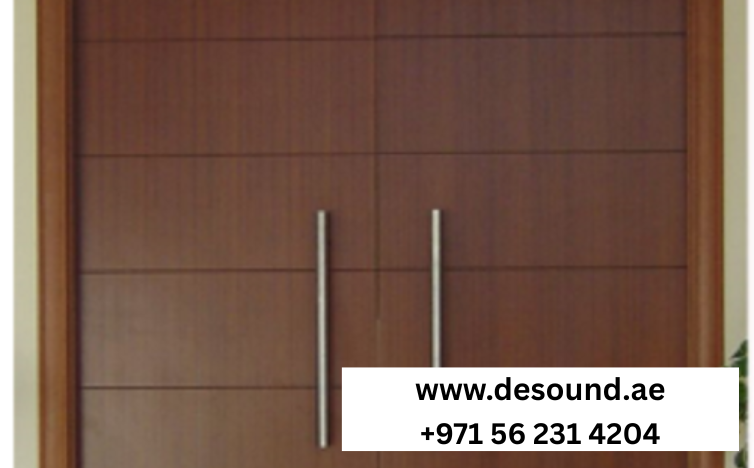
Noise control is not just a comfort issue. For many businesses, poor acoustics directly lead to financial loss. Offices lose productivity, meeting rooms lose confidentiality, studios lose sound quality, and hotels lose customer trust. While wall and ceiling panels play an important role, sound control fails if the door is weak. This is why choosing the right wooden acoustic door is a critical business decision.
This article explains the most important features to check before buying, focusing on acoustics and how the wrong choice can cost your business money.
Impact of Noise on Business Performance
Uncontrolled noise affects employee focus, communication, and customer experience. In offices, constant sound leakage reduces concentration and increases errors. In conference rooms, private discussions can be overheard, creating trust and compliance risks.
Many businesses invest in wall and ceiling panels but ignore doors. Sound always finds the easiest exit. If the door is not acoustically treated, even high-quality panels cannot perform properly. This gap in planning leads to wasted investment and ongoing noise complaints.
Door Core Density and Sound Blocking Ability
The internal structure of the door is one of the most important acoustic factors. Solid and high-density cores block sound far better than hollow wooden doors. A properly engineered wooden acoustic door is designed to stop sound waves from passing through the surface.
Low-quality doors may look similar but allow noise leakage, forcing businesses to spend again on upgrades. Checking core density helps avoid repeat costs and protects your acoustic investment.
Sealing System and Perimeter Sound Leakage
Even a strong door fails if it has gaps. Sound escapes through small openings around the frame and under the door. A professional acoustic door must include:
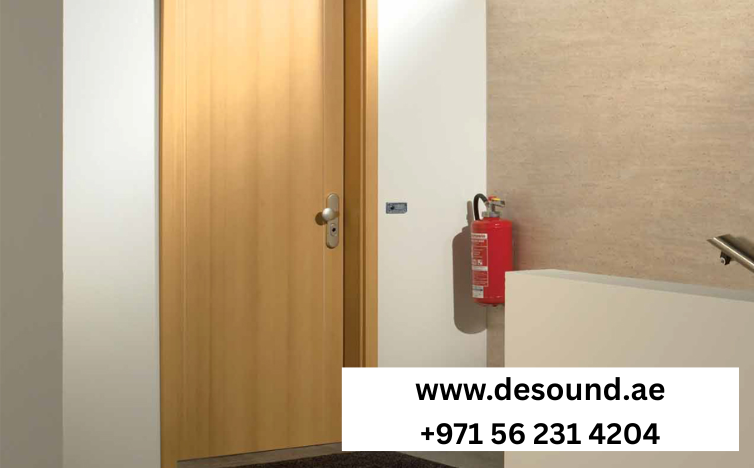
- Full perimeter acoustic seals
- Drop-down seals at the bottom
- Tight frame alignment
Without these features, noise will leak, reducing the effectiveness of wall and ceiling panels. This issue is common in commercial spaces and often causes ongoing business disruption.
Compatibility With Wall and Ceiling Panels
Acoustic performance works as a system. The door should match the sound control level of the walls and ceiling. If panels absorb sound but the door does not block it, noise escapes and echoes increase.
A balanced setup ensures consistent sound control across the entire room. Choosing a door that supports your wall and ceiling panels prevents uneven acoustics and protects your overall investment.
Structural Strength and Long-Term Use
Business environments demand durability. Doors are opened and closed many times daily. Weak construction leads to warping, damaged seals, and reduced acoustic performance.
A high-quality wooden acoustic door uses stable materials and reinforced frames to maintain performance over time. Poor durability results in maintenance costs, downtime, and noise problems returning sooner than expected.
See more: Quiet Living with Wooden Acoustic Doors in Sharjah
Fire Safety and Regulatory Compliance
Many commercial spaces require fire-rated doors. An acoustic solution should not compromise safety. Certified wooden acoustic doors offer both sound insulation and fire resistance.
Failing to meet regulations can lead to penalties, forced replacements, or operational delays. From a business perspective, compliance is essential to avoid financial and legal risks.
Customization for Different Business Needs
Different spaces require different acoustic solutions. A meeting room, recording studio, hospital, or hotel room all have unique sound control needs.
Customization options such as door thickness, acoustic rating, and finishing ensure the door performs correctly in its environment. Standard doors often fail to meet specific requirements, leading to future modifications and added costs.
Importance of Professional Installation
Even the best product cannot perform without proper installation. Acoustic performance depends on precise fitting, correct sealing, and integration with surrounding structures.
At desound, acoustic services focus on complete solutions rather than individual products. Proper installation ensures the door works effectively with wall and ceiling panels, reducing noise complaints and protecting business operations.
Cost vs Value in Acoustic Decisions
Choosing a door based only on price is a common mistake. Low-cost options often result in:
- Reduced productivity
- Client dissatisfaction
- Repeated repair or replacement costs
- Long-term business loss
Investing in the right acoustic solution from the start provides long-term value and reliable performance.
Call us: Contact DeSound Soundproofing Expert in Dubai For Soundproofing: +971 56 231 4204
Conclusion
A wooden acoustic door is a critical part of any professional acoustic setup. Checking the right features before buying helps prevent noise-related business loss and ensures wall and ceiling panels work effectively.
By focusing on sound insulation, sealing quality, durability, compliance, and expert installation, businesses can achieve reliable acoustic performance and protect their investment. For professional solutions, desound provides acoustic systems designed to meet commercial requirements and long-term performance expectations.