
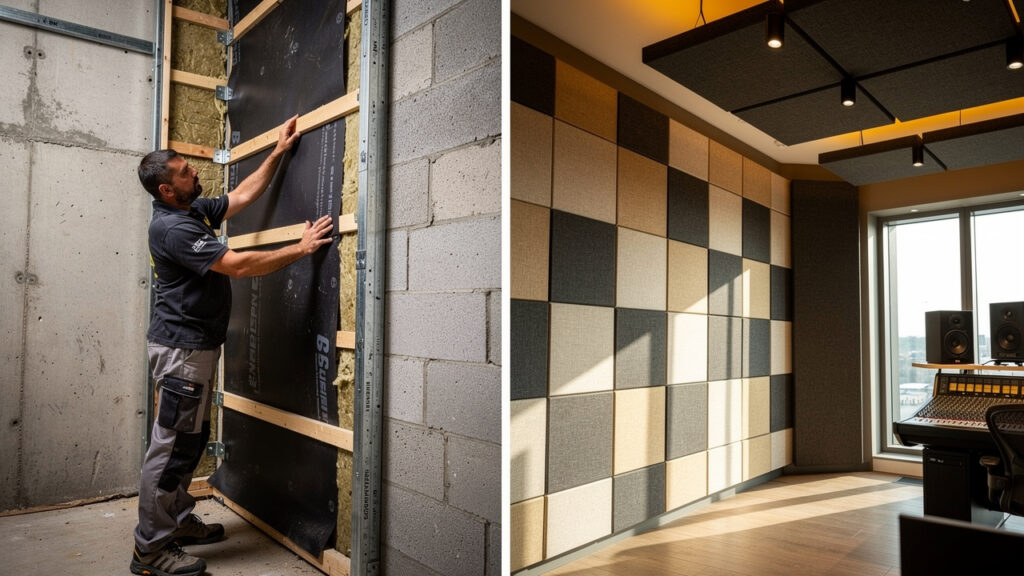
Many UAE projects fail because teams misjudge the difference between soundproofing and acoustic treatment. Money goes into the wrong products, and noise or echo still ruins meetings, classes, or recordings. That hurts everyone involved in the project.
Soundproofing blocks sound that tries to move between rooms, floors, or apartments. Acoustic treatment shapes how sound behaves inside a room so speech and music feel clear and natural. In this guide we explain the real difference between soundproofing and acoustic treatment, show when you need each option, clear up wasteful myths, and share how we at DE Sound support projects across the Gulf.
Once you see which problem you really have, every acoustic decision becomes simpler. Instead of guessing at products, you can match the right method to the right problem. Now we can explore that basic distinction in detail.
“The most expensive acoustic product is the one that does nothing for your real problem.” — DE Sound project team
Key Takeaways
Here are the main points.
Different jobs for sound. The difference between soundproofing and acoustic treatment matters. One blocks. One shapes.
STC shows wall blocking. NRC shows panel absorption. They describe different actions.
Choose soundproofing for privacy between rooms. Choose treatment for echo and clarity inside a room. Many projects need both.
Tricks like egg cartons or thin carpet waste budget. They rarely help. They never soundproof.
DE Sound diagnoses the real need first, then matches certified products. That keeps your project on track.
What Is The Difference Between Soundproofing And Acoustic Treatment?
The difference between soundproofing and acoustic treatment is simple but easy to overlook. Soundproofing blocks sound between spaces, while acoustic treatment shapes sound inside a single room. Getting this difference right protects your budget and your client experience.
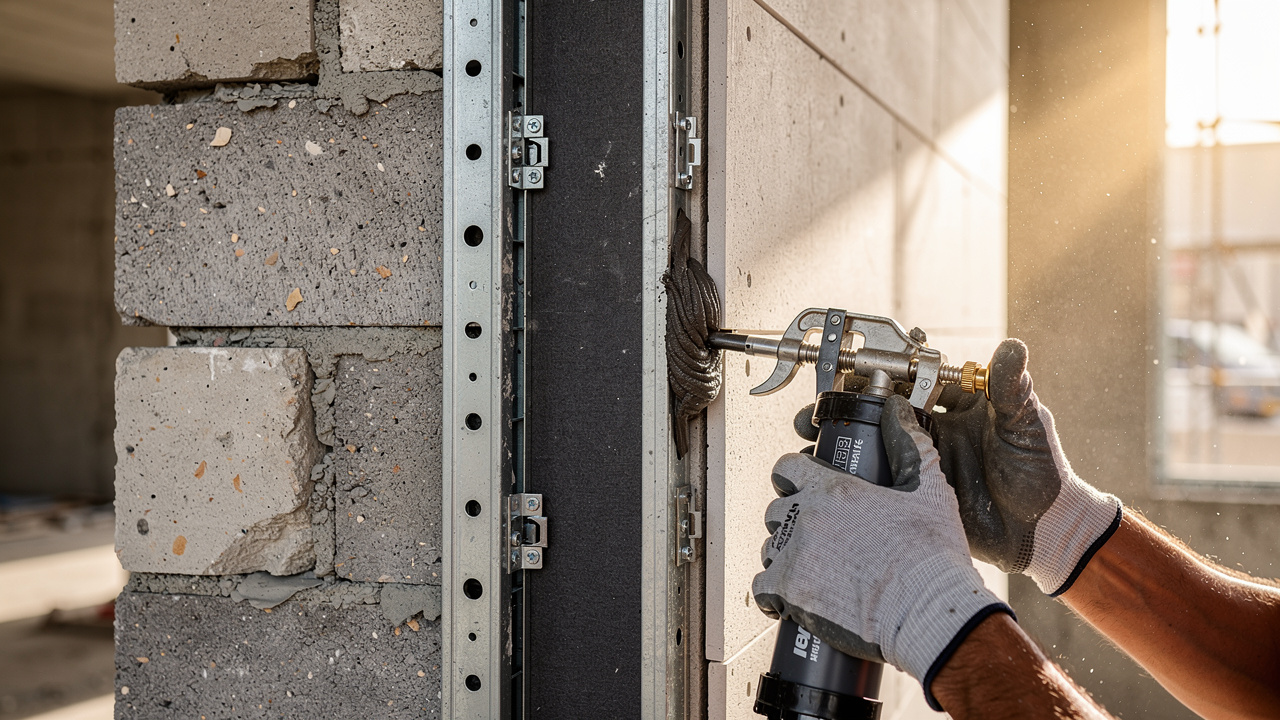
Soundproofing is a structural job that focuses on walls, floors, ceilings, doors, and windows. We add heavy material such as extra gypsum board, concrete block, or mass loaded vinyl so noise has more trouble passing through. We also separate structures using items like resilient clips or double studs, and we seal every gap with acoustical sealant so there is no easy path for vibration. According to National Research Council Canada, a wall rated around STC 50 already stops loud speech from being easily understood on the other side.
Acoustic treatment, by contrast, is an interior finishing step, and recent research on the measurement and prediction of airborne sound insulation across different vertical partition walls confirms how distinct these two disciplines truly are. Here we install absorptive panels, ceiling clouds, bass traps, and diffusers — with acoustic performance optimization of natural-fiber micro-perforated panels representing one of the more innovative approaches in contemporary panel design. DE Sound supplies many of these acoustic panels across the GCC, often built with mineral wool from Rockwool or fiberglass from Owens Corning. These products reduce echo and reverberation rather than blocking sound, and their performance is described by NRC, which runs from zero to one. Guides from Armstrong Ceilings suggest treating roughly fifteen to thirty percent of wall and ceiling area in many rooms to keep reverberation comfortable. When we explain the difference between soundproofing and acoustic treatment this way, most clients instantly see which side their problem sits on.
The Sponge Vs The Dam And Why Confusing These Two Disciplines Costs Projects Money

The sponge and dam picture makes this idea easy to see. Acoustic panels act like a sponge inside the room, soaking up extra sound so the space feels controlled. Soundproofing is the dam, a heavy barrier that stops sound crossing from one side to the other.
Treatment = sponge inside the room. It absorbs reflections so you hear more direct sound and less echo.
Soundproofing = dam between rooms. It adds mass and separation so less noise gets through the structure.
When someone expects sponge products to behave like a dam, trouble starts. We often meet UAE clients who cover studio or apartment walls with foam from a retail shop and still hear neighbors clearly. Their budget went into treatment while the real need was soundproofing inside the wall. Once we walk them through the difference between soundproofing and acoustic treatment, the mistakes behind the past purchase become obvious.
Tip from DE Sound: If you can easily squeeze or bend a product with one hand, it probably absorbs sound inside the room but does very little to stop sound passing through walls.
The 5 Most Dangerous Myths About Soundproofing And Acoustic Treatment
The most dangerous myths about soundproofing and acoustic treatment usually come from mixing up structural work with interior panels. These ideas spread fast and cost real money. Here are the five problems we correct most often when we explain the difference between soundproofing and acoustic treatment to new clients.
Myth 1 – Foam Panels Provide Full Soundproofing. Foam panels often get sold as soundproofing, yet they are not built for that job. They are light, porous materials that absorb reflections and shorten echo inside the room. Research from the Acoustical Society of America notes that porous foam mainly affects mid and high frequencies, not low rumble through walls. So a foam‑lined room can still leak almost as much sound to the next space.
Myth 2 – Egg Cartons Or Carpet Can Replace Proper Acoustic Products. People sometimes hang egg cartons, carpet offcuts, or moving blankets and expect studio‑grade results. These items lack the density and open‑cell structure that real acoustic products use. They may change the sound slightly at high frequencies, yet the room still feels boomy and unclear. Purpose‑built panels supplied by DE Sound or brands such as Ecophon and Saint Gobain perform far better and come with proper test data.
Myth 3 – A Heavy Door Fixes Everything. A heavy door is a smart upgrade, but it only fixes one small slice of the problem. If you do not seal the frame, add perimeter gaskets, and build proper wall and ceiling assemblies, sound simply travels around the door. Even a solid‑core leaf can feel useless when flanking paths stay open. We see this in many hotel corridors and office fit outs across Dubai and Abu Dhabi.
Myth 4 – Ceiling Panels Stop Footsteps From Above. Another myth is that ceiling panels will stop footsteps from the floor above. That noise is structure‑borne energy moving through slabs, beams, and columns. Surface panels help with echo and speech clarity below, yet they barely touch impact vibration. For that you need structural measures such as floating floors or resilient ceiling systems specified by acoustic consultants and supplied by DE Sound or manufacturers like Knauf.
Myth 5 – You Can Choose Only Soundproofing Or Only Treatment. Some clients hope that strong soundproofing means they can skip acoustic treatment, or the reverse. A fully isolated room without panels still sounds harsh, with flutter echo and uneven bass that make music and speech tiring. Treated rooms without isolation capture outside traffic or corridor noise in every recording. Professional studios from Abbey Road Studios to facilities in Dubai Media City always invest in both parts.
“Good soundproofing keeps unwanted noise out. Good treatment makes the sound you do want easier to hear.” — DE Sound design team
When Do You Need Soundproofing, Acoustic Treatment, Or Both?

Knowing when you need soundproofing, acoustic treatment, or both comes back to the type of noise problem you face. We always start by asking whether the issue sits inside the room or between rooms. That simple test shows when the difference between soundproofing and acoustic treatment really matters.
Once you frame it like that, you can group most UAE projects into three clear needs — a framework supported by a short review of recent innovations in acoustic materials and panel design, which highlights how wood composites and other modern solutions are reshaping both isolation and treatment strategies.
Choose soundproofing when you hear traffic, neighbors, plant rooms, or office chatter coming through walls, floors, or ceilings. Spaces such as hotel rooms, legal offices, executive boardrooms, and medical clinics rely on privacy. Building rules from Dubai Municipality and Abu Dhabi Municipality also expect minimum isolation levels in many of these spaces.
Choose acoustic treatment when a space sounds echoey even at low volume. This shows up in hard‑surfaced classrooms, video conference rooms, restaurants, and prayer halls. Research from the American Speech Language Hearing Association finds that reducing classroom reverberation can improve speech understanding for students by up to twenty‑five percent.
Choose both when you need privacy and high‑quality sound at the same time. Recording studios, podcast booths, premium conference suites, and school music rooms all fall into this group. First we create an isolated shell, then we fine‑tune the interior with panels, bass traps, and sometimes diffusers.
According to the World Health Organization, long‑term exposure to unwanted noise links to stress and sleep problems, so this choice touches wellbeing as well as comfort. When we explain the difference between soundproofing and acoustic treatment in these terms, project teams in the UAE can set realistic goals and budgets.
Practical Application By Space Type In The UAE

To make the framework concrete, we link it to room types we see most often across the UAE and GCC. This also shows how DE Sound supports different sectors.
Recording studios and podcast booths in Dubai Media City or Sharjah studios need both strategies. Builders create decoupled shells to stop outside noise. Then we add panels and bass traps to shape the sound of voice and music.
Corporate offices and conference rooms rely on soundproofed partitions for speech privacy. Inside each room, acoustic panels reduce echo so voices sound clear for meetings, phone calls, and video calls.
Hotels and hospitality venues use soundproofed walls for quiet guest rooms. Restaurants and lobbies then use treatment to soften crowd noise. Guests hear energy without fatigue, and staff can communicate easily.
Schools and universities across Dubai and Abu Dhabi treat classrooms for speech clarity. Music rooms and auditoriums also add isolation, so rehearsals do not disturb lessons, offices, or nearby residences.
Mosques and prayer halls often combine modest soundproofing with well‑placed treatment so sermons are clear without harsh reflections, even when the space is full.
How DE Sound Helps UAE Clients Get The Right Solution
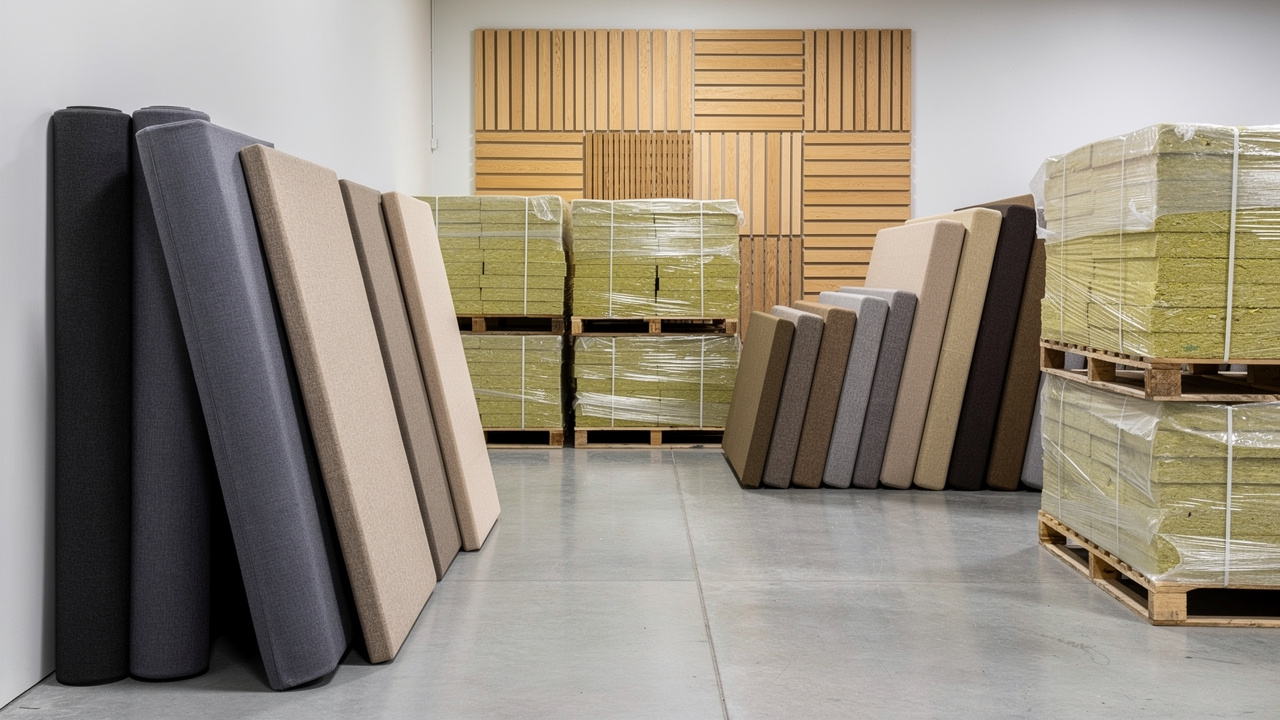
Many suppliers simply sell whatever panels or foam they have on the shelf. At DE Sound we take a different path, starting with your real acoustic problem. We explain the difference between soundproofing and acoustic treatment in plain language, then guide you toward the right mix with wholesale pricing across the GCC.
“Our best projects start when clients tell us exactly what they hear, not what they want to buy.” — DE Sound technical team
First, we stock both sides of the equation. Our warehouse holds certified soundproofing materials for walls, floors, and ceilings alongside PET Acoustic Panels, Wood Acoustic Panels, and Stretch Fabric Acoustic Panels. That means designers and contractors can source isolation layers and visible finishes from one place.
Second, our technical team helps with diagnosis and layout. We often review plans in tools like Autodesk Revit or AutoCAD and suggest where to add mass, decoupling, or panels. This support saves clients from choosing a beautiful treatment product when the real need is structural isolation.
Third, we make delivery and approvals simple across the UAE and wider Gulf. All products come with lab test data, ready for submittals to authorities or consultants such as Dubai Municipality or Abu Dhabi Department of Municipalities and Transport. We also keep eco‑friendly PET lines for projects following LEED‑style targets.
Research from the University of California Berkeley found that reducing office noise can improve task performance by around fifteen percent, which matches what our corporate clients report after treatment. By pairing the right materials with fast GCC‑wide delivery, we help teams hit both acoustic and schedule targets without trial and error.
Wrapping Up Sound Decisions Start With The Right Diagnosis
Sound decisions about soundproofing and acoustic treatment always begin with a clear diagnosis. Remember that the difference between soundproofing and acoustic treatment is not just academic. Soundproofing blocks noise between spaces through mass, decoupling, and sealing, while treatment shapes reflections and reverberation inside the room. Most professional UAE projects that care about privacy and sound quality combine both steps.
If you are unsure which issue you face, share a plan or room photo with our team at DE Sound. We can help you frame the problem, select tested materials, and supply them quickly across the Gulf so your next fit out sounds right the first time.
Frequently Asked Questions
These questions come up often after we explain acoustics to UAE clients. Each answer works on its own so you can share it with your team and keep the difference between soundproofing and acoustic treatment clear.
Question: Can I Add Soundproofing To An Existing Room Without Major Construction?
Yes, you can add some soundproofing in an existing room, but results stay limited. Mass loaded vinyl on walls, a solid‑core door, and careful sealing of gaps can help. For big improvements, you still need new wall or ceiling layers or a secondary independent partition.
Question: How Many Acoustic Panels Do I Need To Treat A Room?
Aim to treat about fifteen to thirty percent of the combined wall and ceiling area. In a twelve by twelve foot room with eight foot ceilings, that equals roughly eighty‑five to one hundred seventy square feet. Start with first reflection points and corners, then listen and add more panels if the room still feels too live.
Question: What Is The Difference Between STC And NRC Ratings?
STC describes how well a partition such as a wall or door blocks airborne sound between spaces. NRC describes how much sound a surface absorbs inside the room. STC is for isolation, NRC is for echo control; both are important, but they measure different behavior.
Question: Are Acoustic Panels Suitable For Commercial UAE Projects?
Yes, acoustic panels work very well for commercial UAE projects. Fabric‑wrapped, wood, and PET lines come with fire and acoustic test reports. Designers across Dubai and Abu Dhabi use them in offices, schools, hotels, and malls for both looks and performance.
Question: Does DE Sound Supply Both Soundproofing And Acoustic Treatment Materials?
Yes, DE Sound supplies both soundproofing and acoustic treatment materials. You can order isolation membranes, insulation, and sealants together with PET, wood, and stretch fabric panels. One wholesale source keeps procurement simple across UAE and wider GCC projects.