
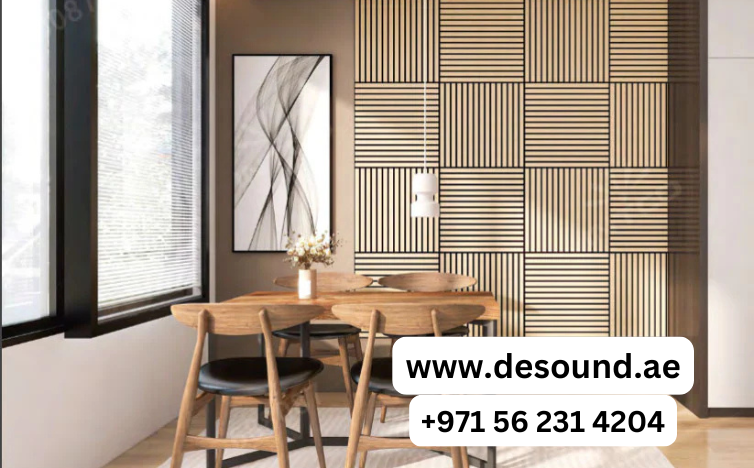
Acoustic wall panels play a critical role in controlling noise and improving sound quality in a wide variety of spaces, from home theaters to professional recording studios. Choosing the right material for these panels is essential for achieving the desired soundproofing or sound-absorbing results. In this guide, we’ll explore the best materials for acoustic wall panels, their benefits, and where they are most effective.
1. Fiberglass Panels
Fiberglass is one of the most commonly used materials for acoustic panels. It is highly effective in absorbing sound, particularly in mid-to-high frequency ranges. Fiberglass panels are available in various densities and thicknesses, allowing them to be tailored to specific acoustic needs.
Benefits of Fiberglass:
- High sound absorption capabilities
- Fire-resistant
- Lightweight and easy to install
- Ideal for use in auditoriums, theaters, and offices
2. Mineral Wool Panels
Mineral wool, also known as rock wool, is another popular option for sound absorption. It offers excellent thermal and acoustic insulation, making it a great choice for spaces where both noise control and temperature regulation are important.
Benefits of Mineral Wool:
- Superior sound absorption, especially at low frequencies
- Fire-resistant and eco-friendly
- Moisture-resistant, making it suitable for humid environments
- Best suited for recording studios, industrial facilities, and conference rooms
3. Polyester Fiber Panels
Polyester fiber acoustic panels are increasingly popular due to their lightweight and environmentally friendly nature. They are made from recycled plastic and are available in various colors, which makes them a versatile design option for modern interiors.
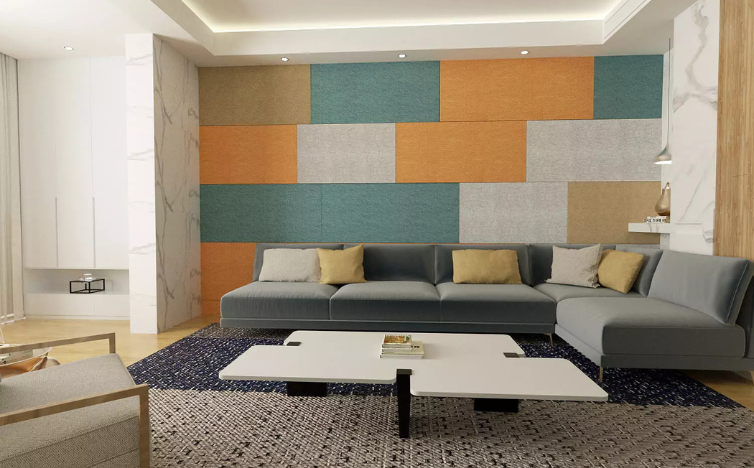
Benefits of Polyester Fiber:
- Durable and easy to maintain
- Non-toxic and recyclable
- Available in a range of colors and finishes
- Perfect for classrooms, gyms, and open-plan offices
4. Fabric-Wrapped Acoustic Panels
Fabric-wrapped acoustic panels combine aesthetic appeal with functionality. They are usually made from fiberglass or foam cores, wrapped in acoustically transparent fabric. These panels can be customized to match the interior decor of a space while providing excellent sound absorption.
Benefits of Fabric-Wrapped Panels:
- Visually appealing and customizable
- Wide variety of fabric textures and colors
- Great for absorbing high-frequency sounds
- Ideal for home theaters, conference rooms, and restaurants
5. Wooden Acoustic Panels
Wood is not only a natural sound absorber but also adds a touch of elegance to any space. Wooden acoustic panels are often used in combination with other materials like foam or fabric to enhance their acoustic properties. They can be designed with slats, perforations, or grooves to further optimize sound absorption.
Benefits of Wooden Acoustic Panels:
- Aesthetically pleasing and customizable
- Good for sound diffusion as well as absorption
- Ideal for spaces that require both function and style, such as music studios, concert halls, and luxury offices
6. Foam Panels
Acoustic foam panels are commonly used in environments that require enhanced sound absorption without the need for heavy-duty soundproofing. These panels are lightweight, affordable, and easy to install, making them a popular choice for smaller spaces.
Benefits of Foam Panels:
- Lightweight and cost-effective
- Highly effective for absorbing mid-to-high frequencies
- Simple to install with adhesive backing
- Suitable for home recording studios, podcast rooms, and small offices
7. Cork Panels
Cork is a sustainable material that offers both acoustic and thermal insulation properties. It is not as commonly used as fiberglass or foam, but its eco-friendliness and natural look make it an appealing option for green buildings and eco-conscious spaces.
Benefits of Cork Panels:
- Sustainable and renewable resource
- Provides moderate sound absorption
- Great for eco-friendly buildings, home offices, and restaurants
Call us: Contact DeSound Soundproofing Expert in Dubai For Soundproofing: +971 56 231 4204
Conclusion
Selecting the right material for acoustic wall panels depends on the specific needs of your space. Whether you’re looking for high sound absorption, eco-friendly options, or aesthetic appeal, materials like fiberglass, mineral wool, polyester, and wood all offer unique benefits. By understanding the properties of these materials, you can choose the best acoustic solution to improve sound quality and control noise in your environment.