
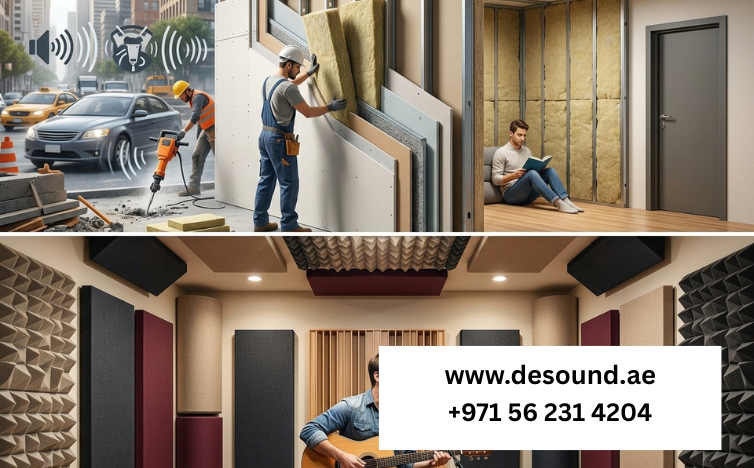
Many people believe soundproofing and acoustic treatment are the same thing, but they actually solve different sound-related problems. Whether for homes, offices, studios, cinemas, restaurants, or commercial buildings, understanding the difference is important before choosing the right acoustic solution.
What Is Soundproofing?
Soundproofing is the process of blocking or reducing sound transmission between spaces.
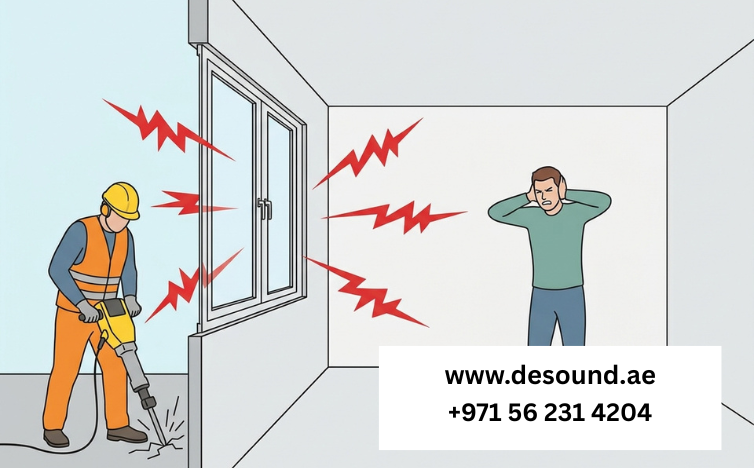
The main goal of soundproofing is to stop sound from entering or leaving a room.
Soundproofing systems are designed to reduce:
- Traffic noise
- Neighbor noise
- Music leakage
- Office sound transfer
- Outdoor disturbances
- Mechanical equipment noise
Soundproofing focuses on isolation.
How Soundproofing Works
Soundproofing works by:
- Adding mass
- Creating airtight barriers
- Decoupling structures
- Reducing vibration transfer
- Sealing sound leakage points
Soundproofing materials prevent sound waves from traveling through walls, floors, ceilings, doors, and windows.
Common Soundproofing Materials
Mass Loaded Vinyl (MLV)
Heavy sound-blocking material used inside walls and ceilings.
Acoustic Doors
Dense-core doors designed to reduce sound leakage.
Double-Glazed Acoustic Glass
Specialized windows that reduce external noise transmission.
Floating Floors
Floor systems that reduce vibration and impact noise transfer.
Insulation Materials
Mineral wool and acoustic insulation help reduce airborne sound movement.
Best Uses for Soundproofing
Soundproofing is ideal for spaces where privacy and noise isolation are important.
Examples include:
- Recording studios
- Apartments
- Offices
- Hotels
- Hospitals
- Meeting rooms
- Home theaters
- Schools
What Is Acoustic Treatment?
Acoustic treatment focuses on improving sound quality inside a room.
Instead of blocking sound from entering or leaving, acoustic treatment controls how sound behaves within the space itself.
The main goal is to reduce:
- Echo
- Reverberation
- Harsh reflections
- Poor speech clarity
Acoustic treatment improves the listening experience and overall room acoustics.
How Acoustic Treatment Works
Acoustic treatment absorbs or diffuses reflected sound waves inside a room.
This helps create:
- Clearer speech
- Better music quality
- Balanced acoustics
- Reduced echo
- Improved sound clarity
Acoustic treatment mainly affects internal room sound performance.
Common Acoustic Treatment Materials
Acoustic Wall Panels
Absorb sound reflections from walls.
Ceiling Baffles
Reduce echo in large spaces and high ceilings.
Acoustic Ceiling Tiles
Improve overhead sound absorption.
Bass Traps
Control low-frequency sound buildup.
Acoustic Foam Panels
Reduce reflections and reverberation.
Best Uses for Acoustic Treatment
Acoustic treatment is commonly used in:
- Recording studios
- Podcast rooms
- Offices
- Cinemas
- Restaurants
- Conference rooms
- Classrooms
- Home theaters
These spaces require clear and balanced sound quality.
Main Difference Between Soundproofing and Acoustic Treatment
| Feature | Soundproofing | Acoustic Treatment |
|---|---|---|
| Main Purpose | Block sound transmission | Improve room sound quality |
| Focus | Isolation | Sound clarity |
| Controls External Noise | Yes | No |
| Reduces Echo | Limited | Yes |
| Improves Speech Clarity | Partially | Strongly |
| Stops Sound Leakage | Yes | No |
| Used for Privacy | Yes | Limited |
| Used for Audio Quality | Limited | Yes |
Why People Often Confuse the Two
Many acoustic products are marketed generally as “noise solutions,” which creates confusion.
For example:
- Acoustic foam panels reduce echo but do not fully soundproof rooms.
- Heavy soundproof walls reduce noise transfer but may still create echo inside the room.
In many projects, both systems are used together for complete acoustic performance.
Example: Recording Studio
A professional recording studio usually requires both:
Soundproofing
To stop external noise from entering the studio and prevent music leakage.
Acoustic Treatment
To improve recording clarity and reduce reflections inside the room.
Without acoustic treatment, recordings may sound echoey even in a fully soundproof room.
Example: Office Meeting Room
Soundproofing Helps:
- Prevent conversation leakage
- Reduce hallway noise
- Improve privacy
Acoustic Treatment Helps:
- Improve speech clarity
- Reduce echo during meetings
- Enhance video conferencing audio
Both systems improve overall workplace comfort.
Why Modern Buildings Need Both Solutions
Modern buildings often use:
- Glass walls
- Open layouts
- Concrete surfaces
- Marble flooring
- High ceilings
These materials increase:
- Noise transfer
- Echo
- Reverberation
Using both soundproofing and acoustic treatment creates quieter and more comfortable indoor environments.
Common Signs You Need Soundproofing
You may need soundproofing if you experience:
- Traffic noise
- Loud neighbors
- Sound leakage
- Lack of privacy
- Outdoor disturbances
- Mechanical noise transfer
Common Signs You Need Acoustic Treatment
You may need acoustic treatment if your room sounds:
- Echoey
- Harsh
- Hollow
- Too loud
- Difficult for conversation
- Poor for music or recording
Can You Use Both Together?
Yes. Most professional acoustic projects combine both systems.
For example:
| Space | Soundproofing | Acoustic Treatment |
|---|---|---|
| Recording Studio | Yes | Yes |
| Home Theater | Yes | Yes |
| Office | Often | Yes |
| Restaurant | Sometimes | Yes |
| Apartment Bedroom | Yes | Limited |
| Cinema | Yes | Yes |
Combining both solutions creates the best overall acoustic environment.
Why Professional Acoustic Design Matters
Professional acoustic specialists evaluate:
- Room dimensions
- Noise sources
- Reflection points
- Reverberation time
- Structural sound paths
This helps determine whether a space requires:
- Soundproofing
- Acoustic treatment
- Or both
Proper acoustic planning improves long-term performance and comfort.
Benefits of Professional Acoustic Solutions
| Benefit | Result |
|---|---|
| Better Privacy | Reduced sound leakage |
| Improved Sound Quality | Clearer audio performance |
| Reduced Echo | More comfortable interiors |
| Better Concentration | Improved productivity |
| Enhanced Comfort | Quieter indoor spaces |
| Professional Audio Performance | Better recordings and media quality |
Final Thoughts
Soundproofing and acoustic treatment are different but equally important acoustic solutions. Soundproofing blocks sound transmission between spaces, while acoustic treatment improves sound quality inside the room itself.
Understanding the difference helps homeowners, businesses, studios, and commercial facilities choose the right acoustic system for their specific needs.