
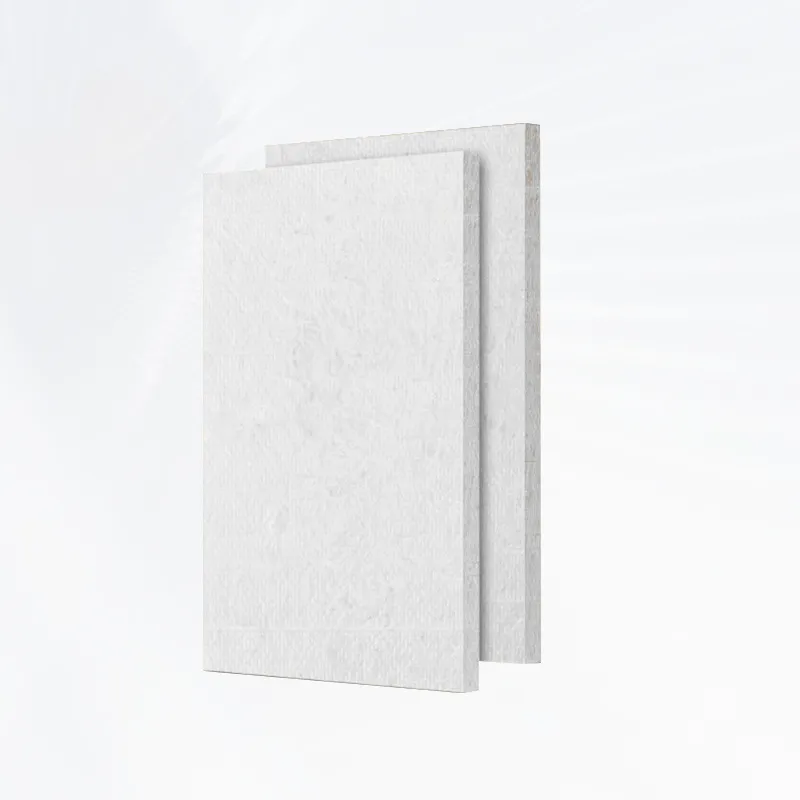
Sound Insulation Panels
AED 45 per sq.m | In stock
Thickness: 25mm, 50mm (Custom thickness available)
Color: Yellow or White
Acoustic Performance: High sound blocking performance (depends on thickness and system)
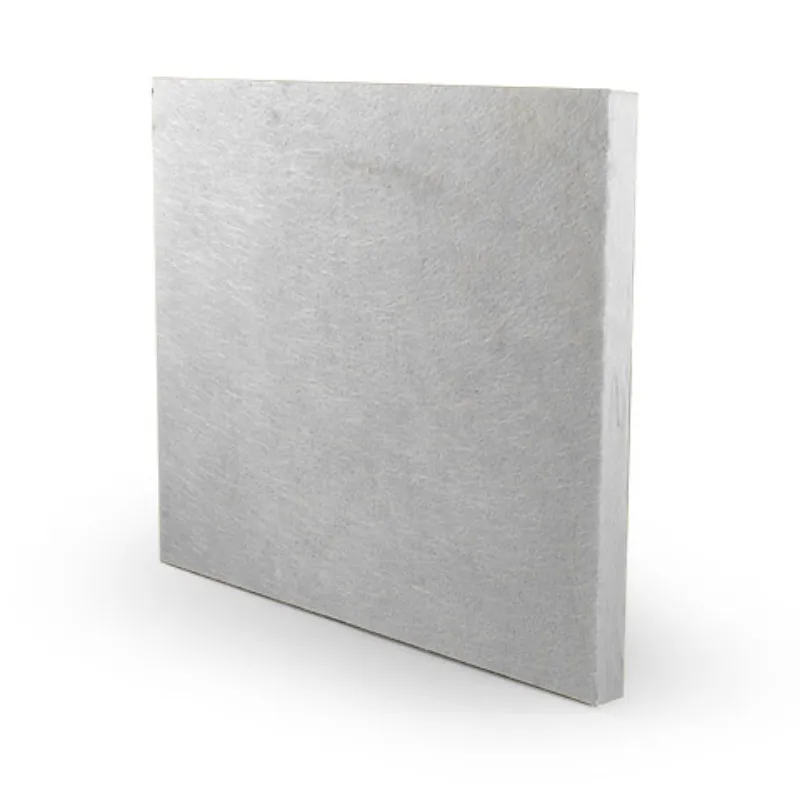
Material: High-density insulation core with reinforced facing layers
Sound Insulation Panels are designed to reduce noise transfer between rooms and building spaces. They work by adding mass and density to walls, ceilings, and partitions, making it harder for sound to pass through structures.
These panels help control unwanted noise such as traffic sounds, conversations, machinery noise, and outside disturbances. They are widely used in homes, offices, hotels, studios, and commercial buildings where privacy and quiet are important.
Sound insulation panels are installed inside wall systems, ceiling cavities, or partition frames. When installed correctly, they provide long-term noise control without affecting the interior look of the space.
Key Features of Sound Insulation Panels
High noise blocking
Blocks sound transfer between rooms
Dense core construction
Improves indoor privacy
Reduces outside noise
Works within wall systems
- Strong and stable structure
- Maintains density over time
- No sagging or deformation
- Suitable for walls and ceilings
- Compatible with drywall systems
- Long-lasting performance
Works with acoustic panels
Suitable for walls and ceilings
Rigid and stable structure
Custom sizes available
Professional acoustic finish
Applications of Acoustic Ceiling Tiles
- Homes
- Apartments
- Bedrooms
- Home theaters
- Music studios
- Living spaces
- Offices
- Meeting rooms
- Conference rooms
- Call centers
- Hotels
- Hospitals
- Factories
- Industrial areas
- Generator rooms
- Commercial buildings
- Construction projects
- Marine soundproofing
Composition of Sound Insulation Panels
Sound insulation panels are made using layered materials that work together to block sound movement and improve noise control.
Dense Core Material
The core is made from high-density insulation material that adds mass to the structure. This mass helps stop sound waves from passing through walls and ceilings.
Reinforced Facing Layers
These layers provide strength and stability to the panel. They help maintain shape during installation and ensure long-term performance without bending or damage.
Bonded Insulation Layers
Multiple bonded layers slow down sound vibrations as they travel through the panel. This improves overall sound blocking and reduces sound leakage.
Installation Support Surface
The back surface allows tight fixing against frames, walls, or ceilings. Proper contact helps prevent gaps, which are critical for effective sound insulation.
Why Choose Our Sound Insulation Panels?
Effective Noise Reduction
Our panels are designed to block sound movement between spaces. They reduce noise from traffic, conversations, machinery, and building activity, creating quieter indoor environments.
High-Density Materials
Manufactured using carefully selected dense materials, these panels maintain their sound blocking performance over time without losing strength or shape.
Improved Privacy
By limiting sound transfer, the panels help keep conversations and activities private. This is ideal for offices, bedrooms, meeting rooms, and shared spaces.
Easy Integration
Sound insulation panels fit easily inside wall and ceiling systems. They work well with gypsum boards, partitions, and suspended ceilings without affecting design.
Stability
Built to perform in warm and humid environments, these panels remain stable and effective in Dubai’s climate when installed properly.
FAQ'S About Sound Insulation Panels
They are used to block sound from passing between rooms, floors, and building spaces.
No. They mainly block sound transfer. Absorption depends on additional acoustic treatments.
They are installed inside walls, ceilings, partitions, and floor systems.
Yes. They are commonly used in bedrooms, apartments, and home theaters.
Yes. They are widely used in offices, meeting rooms, hotels, hospitals, and industrial spaces.