
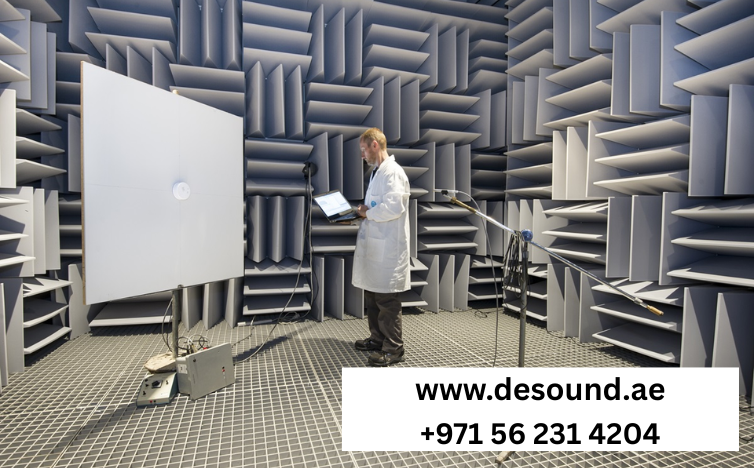
Measuring acoustic performance before and after installation is a crucial step for any soundproofing or acoustic treatment project. Accurate evaluation ensures that your chosen solutions perform as expected and that your investment delivers measurable improvements. At desound, we provide professional guidance to clients to compare pre-installation and post-installation acoustic results effectively. This article explains step-by-step how to measure acoustic performance, incorporating the keyword title naturally for SEO purposes.
Why Acoustic Testing Matters
Acoustic testing before installation provides a clear understanding of your space’s current sound characteristics. Whether it’s reverberation levels, echo hotspots, or noise leakage, knowing the baseline helps select the right products and guides proper placement.
After installation, repeating measurements validates the effectiveness of acoustic treatments. For offices, studios, or residential spaces, objective data ensures your acoustic investment has a tangible impact. It also provides documentation for compliance, reporting, or client handover. Before-and-after testing is a critical part of any professional acoustic project.
Step 1: Define Your Acoustic Goals
Before conducting any tests, establish your objectives. Are you aiming to reduce reverberation, eliminate echoes, improve speech clarity, or block external noise? Clearly defined goals determine which measurements are necessary and ensure that the results are meaningful.
At desound, we help clients align testing objectives with practical solutions. The title of your report should reflect these objectives, making it clear what acoustic aspects you are measuring and improving.
Step 2: Conduct Pre-Installation Acoustic Measurements
Pre-installation measurements capture the baseline acoustic performance. Depending on your space, these tests may include:
Reverberation Time (RT60)
RT60 measures the time it takes for sound to decay by 60 dB. High RT60 values indicate excessive echo, helping you identify areas needing treatment.
Background Noise Levels
This test identifies ambient noise in offices, studios, or residential spaces. Knowing the noise floor allows for targeted soundproofing.
Sound Transmission Class (STC)
STC testing evaluates how well walls, doors, or partitions block sound between spaces, essential for privacy and compliance.
Frequency Response and Echo Mapping
Advanced tools can measure frequency distribution, resonances, and echo patterns, helping to place acoustic panels or diffusers effectively.
Document all measurements carefully; these serve as a reference for post-installation comparison.
Step 3: Proper Installation of Acoustic Treatments
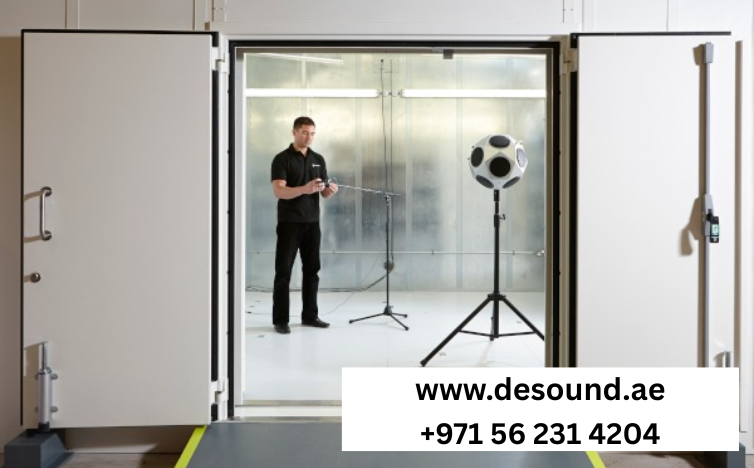
Even the best acoustic products perform poorly if installed incorrectly. Ensure:
- Strategic placement of panels, baffles, and diffusers
- Secure mounting to prevent vibration or resonance
- Proper air gaps or spacing when required
- Tight sealing for soundproofing walls or partitions
Desound ensures installation meets engineering standards and site-specific requirements to maximize acoustic performance.
Step 4: Conduct Post-Installation Acoustic Measurements
After installation, repeat the same measurements under controlled conditions. This comparison reveals the effectiveness of your acoustic treatment.
Compare RT60 Results
Effective treatment should reduce reverberation. For example, a decrease from 1.5 seconds to 0.6 seconds improves speech clarity and sound quality.
Assess Noise Reduction
Lower background noise confirms successful absorption or isolation.
Evaluate STC Improvement
Higher STC ratings indicate better sound insulation between rooms or spaces.
Check Frequency Balance
Post-treatment, harsh frequencies should soften, and sound distribution should become more uniform.
Document all results to create a detailed before-and-after performance report.
Step 5: Compile and Present Results
A professional report summarizes:
- Testing objectives
- Methods used
- Pre-installation results
- Materials and installation details
- Post-installation improvements
Using a clear title in the report enhances readability and SEO value, making it easy to share with clients or stakeholders.
Call us: Contact DeSound Soundproofing Expert in Dubai For Soundproofing: +971 56 231 4204
Conclusion
Before-and-after acoustic testing ensures your project delivers measurable, meaningful results. Whether improving a studio, office, home theater, or commercial space, structured testing validates your investment. Desound offers expert acoustic assessment and installation services, ensuring each project achieves its performance goals. By following this guide, you can confidently measure, document, and improve acoustic performance in any environment.