
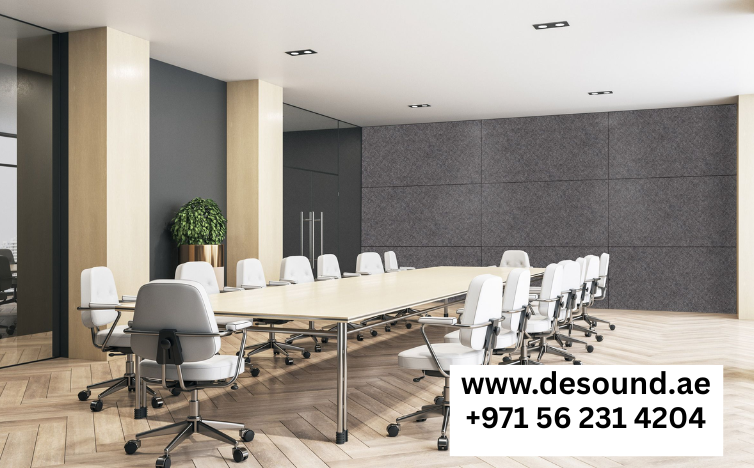
Designing a modern space requires more than aesthetics and layout planning. Noise control has become a priority for homes, offices, studios, and commercial environments. Whether you want better privacy, improved focus, or professional-quality acoustics, choosing the right sound barrier solution makes all the difference. This guide explores the most effective options and how businesses like desound can support high-quality acoustic performance through customized services.
Understanding the Need for Effective Sound Barriers
In today’s fast-paced lifestyle, noise pollution affects productivity, sleep, and overall comfort. Modern buildings often use lightweight materials, which increase sound transfer through walls, ceilings, and floors. A sound barrier helps reduce unwanted noise by blocking or absorbing it through specialized materials.
These solutions are essential in areas such as:
- Home studios
- Apartments and villas
- Offices and meeting rooms
- Hospitals and clinics
- Restaurants and cafés
- Industrial facilities
Before choosing a barrier method, understanding noise sources and transmission paths helps you select the right approach.
High-Density Materials for Wall Soundproofing
One of the most effective ways to block sound is by increasing a wall’s mass and density. High-density materials reduce vibrations and prevent sound from traveling between rooms.
Common wall sound barrier materials include:
- Mass Loaded Vinyl (MLV)
- Cement board layers
- Acoustic plasterboard
- Dense insulation batts
MLV remains a top choice because it is thin yet heavy, flexible, and easy to install without major construction. It pairs well with other acoustic solutions for improved results.
This approach works best in homes, offices, and commercial buildings where privacy or noise reduction is required without a full structural rebuild.
Acoustic Panels for Balanced Sound Control
Acoustic panels are used not only to block sound but also to improve clarity within a room. While they are not primary blockers, they significantly reduce echo and reflections, creating a cleaner audio environment.
Panels come in various forms:
- Fabric-wrapped wall panels
- 3D sculpted panels
- PET polyester panels
- Wooden acoustic slats
Ceiling Sound Barrier Systems
Noise from upper floors is a common problem in apartments, offices, and commercial spaces. Installing dedicated ceiling systems can block impact noise like footfall and airborne sound such as conversations or music.
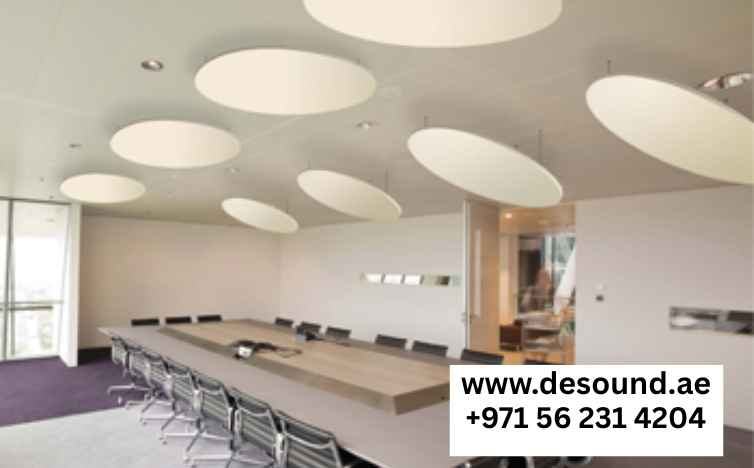
The most reliable ceiling solutions include:
- Acoustic baffles
- Sound-insulated ceiling tiles
- Suspended ceiling systems with sound-blocking layers
- High-density insulation above false ceilings
Acoustic baffles are particularly effective in larger spaces such as restaurants, gyms, and auditoriums. They reduce echo and improve speech clarity without requiring major structural modification.
Floor Underlayment Solutions
Floors often transmit noise due to footsteps, dropped objects, or moving furniture. A floor-based sound barrier solution focuses on impact noise reduction.
Typical materials include:
- Acoustic rubber underlayment
- Cork sheets
- Foam floor layers
- Carpet with integrated acoustic backing
Rubber and cork underlayments provide long-lasting, high-density protection and are commonly used in schools, apartments, offices, and multi-story homes.
Doors and Windows as Sound Blockers
Even well-treated walls cannot perform effectively if doors and windows remain weak points. Air gaps around frames allow sound to enter easily.
Improving door and window soundproofing includes:
- Acoustic sealing strips
- Multi-layered doors
- Laminated acoustic glass
- Double-glazed window systems
In meeting rooms and studios, acoustic doors significantly enhance performance by minimizing sound leakage and maintaining internal privacy.
Selecting the Right Sound Barrier for Your Space
Choosing the ideal sound barrier solution depends on several factors:
- Noise source (internal or external)
- Desired noise reduction level
- Room design and size
- Budget and installation requirements
- Aesthetic preferences
A combination of different materials—such as MLV with acoustic panels or ceiling baffles—often provides the most effective results for modern spaces.
Conclusion
Managing noise in modern environments is no longer optional; it is essential for comfort, productivity, and quality of life. Whether you are upgrading your home, constructing a studio, or designing a commercial facility, the right sound barrier solution ensures long-term performance. With high-density materials, advanced ceiling and floor systems, and custom CNC-cut acoustic options, companies like desound deliver professional solutions tailored to every type of space.